
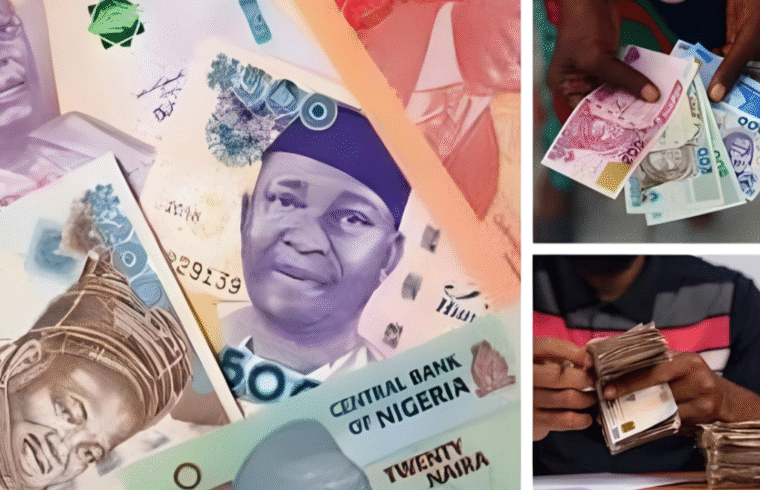
The exchange rate between the U.S. dollar and the Nigerian naira remains a major point of interest for traders, businesses, and individuals navigating the country’s forex market. The parallel market, widely known as Aboki FX, continues to reflect real-time demand and supply conditions.
Current Black Market Exchange Rates
According to Bureau De Change (BDC) data gathered in Lagos, the dollar is currently trading at slightly varying rates depending on transaction type.
Gossip News Now reports that the market shows the following average figures:
-
₦1526 per dollar as the buying rate
-
₦1511 per dollar as the selling rate
These values indicate ongoing fluctuations in the informal forex market and may differ slightly across dealers.
Official CBN Exchange Range
On the official side, the Central Bank of Nigeria (CBN) maintains a more regulated pricing structure. The rates within this window remain lower compared to those seen in the black market.
A quick overview of the official figures shows:
-
Highest rate: approximately ₦1509
-
Lowest rate: around ₦1497
This difference continues to highlight the gap between official and parallel market exchange systems.
Advisory on Forex Transactions
The Central Bank of Nigeria does not support transactions carried out in the black market. In a rephrased advisory, individuals are encouraged to use licensed banks and official financial institutions when dealing with foreign exchange.
Why Rates Differ Across Locations
Forex prices are rarely fixed and can vary for several reasons:
-
Differences in demand and supply across regions
-
Dealer-specific pricing strategies
-
Volume of transactions involved
-
Broader economic conditions influencing currency value
These factors contribute to the slight variations seen in daily exchange rates.
Reframing the Market Outlook
Looking at it from a broader perspective, the forex market operates dynamically, meaning rates adjust constantly based on real-time pressures. This explains why figures can change within short periods.
Commentary and Analysis
The continued disparity between black market and official rates reflects ongoing challenges in Nigeria’s forex system, particularly issues related to currency supply and economic stability.
For many Nigerians, the parallel market offers accessibility, but it also introduces uncertainty. Strengthening the official forex market and improving liquidity could help reduce reliance on informal channels.
Final Insight
Keeping track of daily exchange rates remains essential for informed financial decisions, especially in a market as fluid as Nigeria’s foreign exchange system.
© 2025 Gossip News Now , a division of CHIEJOS HARBIAN DIGITAL MEDIA LTD. Contact us via admin@gossipnewsnow.online