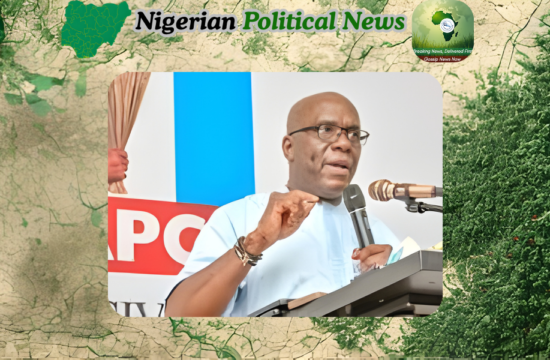

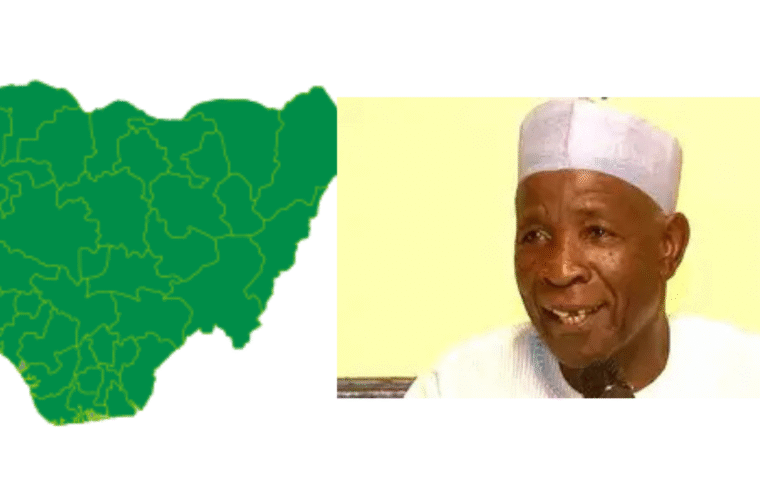
In a surprising shift of perspective, Buba Galadima, a prominent figure within the New Nigeria Peoples Party (NNPP), has admitted that his earlier criticism of former Nigerian president Goodluck Jonathan may have been misplaced. His reflection comes after observing Nigeria’s worsening security climate in recent years, which has caused him to reevaluate how Jonathan managed the country during his time in office.
During an appearance on Arise Television’s Prime Time, Galadima explained that the current security challenges confronting the country made him reconsider past judgments. Looking back, he now believes the Jonathan administration handled national security issues with more effectiveness than many critics acknowledged at the time.
According to Gossip News Now, Galadima’s reassessment is closely tied to events that unfolded before the 2015 general elections. At that period, insecurity in parts of the country had intensified significantly, raising concerns about whether elections could be conducted safely across Nigeria.
Rather than proceeding under chaotic conditions, Jonathan’s government chose to delay the elections for about six weeks. Galadima recalled that this decision created an opportunity for stronger security measures to be implemented, including the involvement of foreign mercenaries who helped the military stabilize troubled areas.
The NNPP chieftain noted that these efforts produced a tangible result: elections were eventually conducted in polling units nationwide, something he now considers a major achievement under the circumstances.
Reflecting on his earlier stance, Galadima openly acknowledged that he had once been one of Jonathan’s fiercest critics. However, he said hindsight has changed his outlook dramatically. In his view, the former president demonstrated qualities that have become clearer only with time.
At one point during the interview, Galadima emphasized that Jonathan’s approach showed both strategic thinking and concern for the nation’s democratic process. He suggested that postponing the election required courage, especially when the decision could potentially weaken the incumbent’s political chances.
In contrast, Galadima argued that a similar crisis today might be handled differently. He speculated that a government confronted with such a situation could allow insecurity to linger if it believed the chaos might influence electoral outcomes in its favor.
He further reflected on Jonathan’s decision-making, suggesting that the former leader placed national stability and credible elections above personal political advantage. For Galadima, this now stands as evidence of a leadership style rooted in fairness and foresight.
Analysis and Commentary
Galadima’s comments highlight how political perspectives can evolve as circumstances change. At the time of Jonathan’s presidency, security concerns were heavily criticized by opposition figures and commentators. Yet the current security environment has prompted some political actors to reconsider whether earlier assessments were too harsh.
His statement also contributes to an ongoing debate about leadership decisions during periods of crisis. The postponement of the 2015 election was controversial at the time, but Galadima’s reflection suggests that the move may have played a significant role in ensuring that the election was eventually conducted nationwide.
Moreover, the remarks illustrate how Nigeria’s political landscape continues to be shaped by comparisons between past and present administrations. As insecurity remains a major national challenge, reassessing historical leadership decisions has become part of the broader political discourse.
Ultimately, Galadima’s admission signals a rare moment of political introspection—one where a former critic publicly acknowledges a shift in judgment based on new realities.
© 2025 Gossip News Now, a division of CHIEJOS HARBIAN DIGITAL MEDIA LTD. Contact us via admin@gossipnewsnow.online