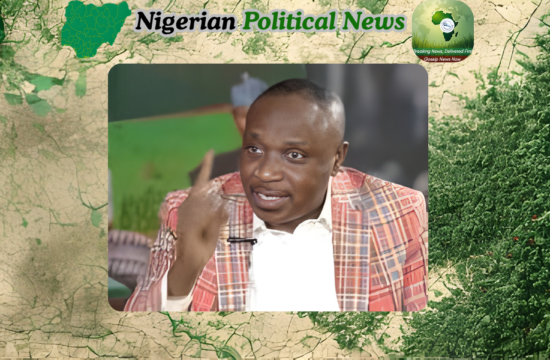

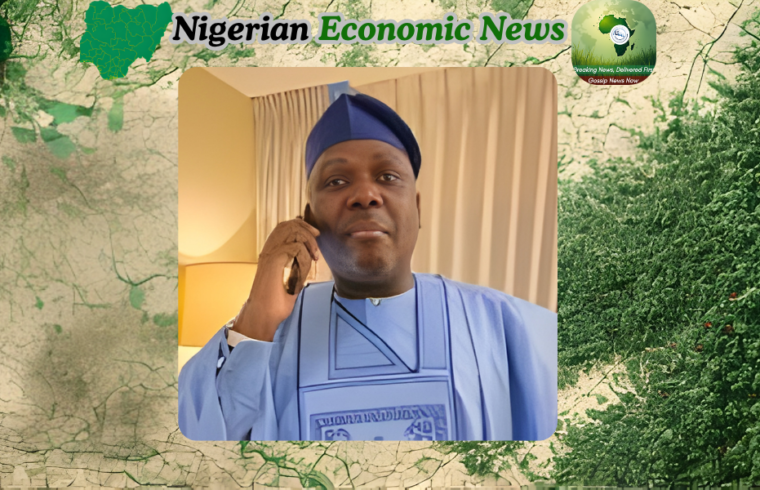
Fresh political tensions have surfaced as Daniel Bwala, a key figure in President Bola Tinubu’s administration, publicly criticized elements within the African Democratic Congress (ADC). His remarks have added another layer to the ongoing debate surrounding opposition dynamics in Nigeria.
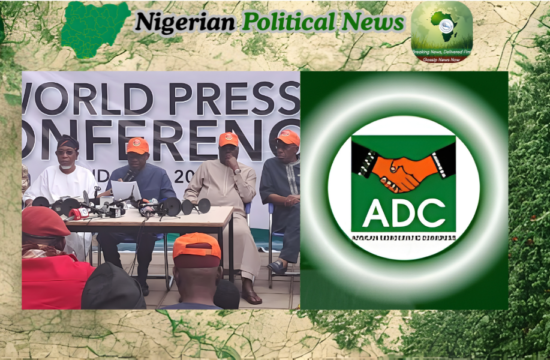
In a strongly worded reaction shared online, Bwala accused certain leaders within the ADC coalition of projecting a negative image of Nigeria to the international community. He suggested that rather than offering constructive alternatives, the group is allegedly attempting to pressure citizens through tactics he described as manipulative.
According to his remarks, the coalition’s approach reflects a deeper issue—an absence of a clear and compelling national agenda. He argued that political alliances should ideally inspire confidence, yet in this case, they appear to struggle with credibility and public acceptance.
Gossip News Now reports that Bwala also took aim at Peter Obi, referencing what he characterized as a pattern of misleading narratives linked to the broader coalition movement. He implied that such strategies have failed to generate meaningful political momentum.
Expanding on his critique, the presidential aide questioned the foundation upon which the ADC coalition is built. In a restructured expression of his stance, he suggested that any political group seeking legitimacy must demonstrate transparency and genuine public engagement rather than relying on questionable methods.
He further conveyed that attempts to gain support by amplifying external pressure on Nigeria could have unintended consequences, particularly for ordinary citizens who may bear the economic and social impact of such actions.
At another point, his argument emphasized that political credibility cannot be achieved through forceful control or internal disputes within party structures. Instead, he implied that strong opposition must emerge from clear ideology, organization, and trust.
The criticism also touched on internal controversies surrounding the ADC, with Bwala hinting that unresolved disputes and leadership struggles weaken the party’s ability to present itself as a viable alternative.
Commentary & Analysis
Bwala’s remarks highlight the increasingly confrontational tone between Nigeria’s ruling party and opposition groups as the political landscape evolves toward future elections. His accusations reflect a broader narrative often seen in competitive democracies, where legitimacy and public perception become key battlegrounds.
While his claims question the ADC’s strategy and cohesion, they also underscore the importance of clear policy direction in opposition politics. Without a defined vision, political alliances risk being viewed as reactive rather than transformative.
At the same time, such criticisms are not without political undertones. Public statements from government officials can shape narratives, influence voter perception, and frame the opposition in ways that may affect its ability to mobilize support.
Ultimately, the exchange signals that Nigeria’s political space is entering a more intense phase, where messaging, credibility, and strategic positioning will play critical roles ahead of the next electoral cycle.
© 2025 Gossip News Now, a division of CHIEJOS HARBIAN DIGITAL MEDIA LTD. Contact us via admin@gossipnewsnow.online