
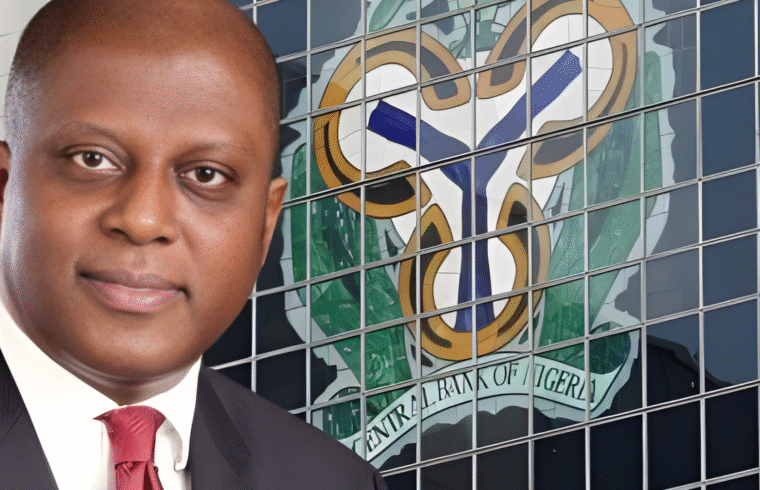
Fresh optimism about Nigeria’s economic outlook has emerged following recent remarks by Olayemi Cardoso, who stated that several key financial indicators are beginning to show signs of recovery.
The comments were delivered during the 60th Annual Bankers Dinner organised by the Chartered Institute of Bankers of Nigeria in Lagos. The gathering brought together leaders from the banking and financial sectors to review the country’s economic direction.
Cardoso explained that Nigeria’s economy appears to be regaining balance after a period of aggressive monetary policy adjustments and reforms implemented over the past two years.
According to Gossip News Now reports that, the CBN governor pointed to improvements in three major areas of the economy—price stability, the foreign exchange market, and investor sentiment.
Inflation Trend Shows Significant Improvement
One of the most notable developments mentioned by the apex bank chief is the steady decline in inflation levels.
After reaching a peak of around 34.6 percent in late 2024, Nigeria’s inflation rate has dropped significantly, falling to just over 16 percent by October 2025.
Food inflation, which has historically placed pressure on household spending, has also eased considerably. The decline in food prices has helped reduce the overall cost-of-living burden for many Nigerians.
Cardoso emphasised that the Central Bank of Nigeria will continue to fine-tune its policies with the goal of eventually bringing inflation down to single-digit levels.
Foreign Exchange Market Reforms Restore Confidence
The foreign exchange sector has also experienced notable adjustments following major policy changes introduced by the central bank.
Among the reforms implemented are:
- The consolidation of multiple exchange-rate windows into a unified system
- Introduction of the Electronic Foreign Exchange Management System to improve transparency
- Enforcement of a new Nigerian FX Market Conduct Code to regulate participants
These measures were designed to reduce speculation and close the gap between official and unofficial currency markets.
The CBN also confirmed that a large backlog of foreign exchange obligations—estimated at more than seven billion dollars and inherited by the current administration—has been fully cleared.
This step has helped restore confidence among international investors, airlines, manufacturers, and foreign portfolio managers who previously faced delays accessing their funds.
Capital Inflows and Reserves Strengthen Economic Position
Investor confidence appears to be returning to Nigeria’s financial system, with inflows into the economy rising significantly.
Available data indicates that foreign investment inflows reached nearly $21 billion during the first ten months of 2025. This represents a sharp increase compared with the previous year.
Nigeria’s external reserves have also grown to roughly $46.7 billion, marking the highest level recorded in almost seven years. The reserves now provide the country with more than ten months’ worth of import cover.
Cardoso explained that the rise in reserves has been driven largely by improved foreign exchange liquidity, stronger diaspora remittances, and an increase in non-oil export activity.
Banking Sector and Financial Technology Expansion
The governor also highlighted progress within the banking sector itself. Ongoing recapitalisation efforts have seen many Nigerian banks raise additional capital in preparation for new regulatory thresholds scheduled to take effect in 2026.
So far:
- 27 banks have successfully secured fresh funding
- 16 institutions have already met or surpassed the required capital levels
Stress tests conducted by regulators suggest that Nigeria’s banking system remains stable and capable of absorbing economic shocks.
At the same time, digital financial services are expanding rapidly across the country. Millions of contactless payment cards have been issued, while financial technology startups continue to operate within regulatory frameworks such as the CBN’s innovation sandbox.
Nigeria’s removal from the Financial Action Task Force grey list was also cited as a major milestone, helping strengthen trust among international financial partners.
Key Economic Priorities for the Future
Looking ahead, the central bank outlined several strategic objectives for the coming years. These include:
- Reinforcing the stability and resilience of Nigeria’s banking institutions
- Refining policies aimed at controlling inflation
- Expanding the adoption of digital payment systems
- Strengthening regulatory oversight of fintech platforms
- Modernising the operational structure of the central bank
- Deepening collaboration with global financial institutions
Cardoso expressed confidence that Nigeria is now better positioned to withstand external economic pressures thanks to stronger reserves, improved financial governance, and expanding non-oil sectors.
Commentary and Analysis
The reforms described by the CBN governor reflect a broader effort to rebuild trust in Nigeria’s financial markets after years of volatility.
By focusing on transparency in the foreign exchange system and strengthening regulatory oversight of banks and financial technology companies, policymakers aim to create a more predictable economic environment.
The narrowing gap between official and parallel foreign exchange rates is particularly important. Historically, large differences between the two markets have encouraged speculation and arbitrage, which can destabilise the economy.
If the current trend of declining inflation and rising investor confidence continues, Nigeria could see improved economic growth and stronger currency stability in the coming years.
However, sustaining these gains will depend on maintaining disciplined monetary policy, supporting productive sectors of the economy, and ensuring that financial reforms translate into broader economic opportunities for businesses and households.
© 2025 Gossip News Now, a division of CHIEJOS HARBIAN DIGITAL MEDIA LTD. Contact us via admin@gossipnewsnow.online