

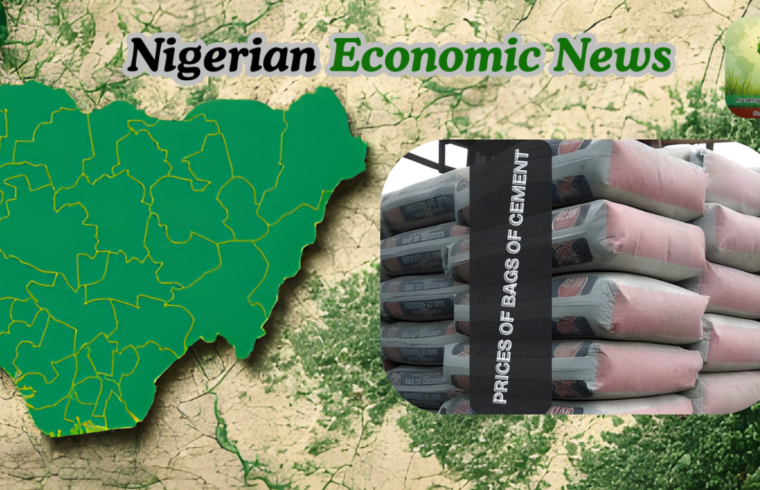
Recent market observations suggest that cement prices across Nigeria have entered a period of relative calm, with major manufacturers offering their products within a closely aligned price range. Traders and distributors across several cities report minimal variation in retail prices for the most popular cement brands used in construction.
At the moment, a standard 50-kilogram bag produced by Dangote Cement and BUA Cement is being sold for roughly ₦10,000 in many markets. The near-identical pricing between the two major producers has created a competitive equilibrium that builders say makes planning construction budgets slightly more predictable.
Another notable player, Mangal Cement, is currently selling its product at a marginally lower rate of about ₦9,800 for the same bag size. Though the difference is only about ₦200, the small gap has attracted attention from contractors and bulk buyers—especially in northern regions where the brand has a strong distribution presence.
What the Current Price Gap Means for Buyers
The modest variation between brands may seem insignificant, but in large-scale projects it can influence purchasing decisions. For contractors ordering hundreds or thousands of bags, even a small price difference can translate into measurable cost savings.
Because of this, distributors say many buyers are increasingly comparing brands before making large purchases. Availability, delivery costs, and regional supply also play important roles in determining which product builders eventually select.
Why Cement Prices Remain Sensitive to Production Costs
Industry watchers say the current price stability does not necessarily mean production costs have dropped. Instead, manufacturers are balancing rising operational expenses with market competition.
One of the biggest cost drivers remains energy. Cement production is extremely energy-intensive, and companies often rely on generators and alternative power sources due to the challenges associated with the national electricity supply. The cost of diesel, gas, and other fuels used to power these facilities directly affects production expenses.
Transport and Distribution Challenges
Another major factor influencing cement prices is logistics. Moving raw materials such as limestone to factories—and then distributing finished cement nationwide—requires significant transportation resources.
Rising fuel prices have increased the cost of hauling goods across Nigeria’s road network. As a result, manufacturers and distributors must factor transportation expenses into the final market price of cement.
Currency Pressures on the Industry
The value of the naira also plays a critical role in shaping cement production costs. Although most raw materials used in manufacturing are sourced locally, certain equipment and spare parts required to maintain production lines are imported.
Exchange-rate volatility means companies often spend more when purchasing replacement machinery or maintenance components from abroad. These additional costs eventually filter into the broader pricing structure of the industry.
Additional Operational Expenses
Beyond fuel and imported equipment, other operational elements also affect the price of cement. These include:
- Extraction and processing of limestone used in cement manufacturing
- Packaging materials required for bagging and distribution
- Factory maintenance and machinery servicing
- Supply chain logistics involved in delivering cement to wholesalers and retailers
Each of these components contributes to the total cost structure that producers must manage.
Construction Demand Continues to Support the Market
Despite cost pressures, steady demand from Nigeria’s construction sector is helping keep cement production active. Infrastructure projects, private housing developments, and commercial building activities continue to drive consumption across the country.
Developers working on roads, housing estates, and public infrastructure rely heavily on cement, ensuring consistent demand even when prices fluctuate.
Competition Among Producers Limits Sharp Price Changes
Market analysts say another reason cement prices have remained within a narrow range is the competitive nature of the industry. With several producers competing for market share, manufacturers must carefully adjust prices to remain attractive to buyers.
Aggressive price hikes could push customers toward rival brands, so companies often attempt to strike a balance between covering costs and maintaining market presence.
Commentary and Industry Analysis
The current stability in cement pricing may be temporary rather than permanent. While competition and demand have kept prices from rising sharply in recent weeks, several underlying pressures remain in the system.
Energy costs, transportation expenses, and currency fluctuations continue to affect manufacturers. If any of these factors intensify, the industry could see adjustments in pricing in the coming months.
However, for now, the near-equal pricing between major brands such as Dangote and BUA suggests a competitive market environment where producers are trying to maintain stability while navigating complex economic conditions.
© 2025 Gossip News Now, a division of CHIEJOS HARBIAN DIGITAL MEDIA LTD. Contact us via admin@gossipnewsnow.online