

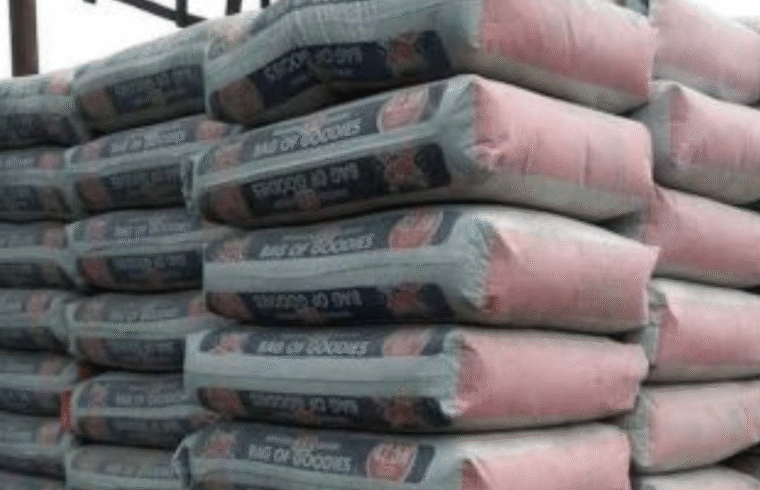
Cement prices in Nigeria are still trading above the ₦10,000 level, with major brands such as Dangote, BUA, and Lafarge maintaining elevated rates across many parts of the country. The latest market trend reflects the continued impact of inflation, transport expenses, and steady demand from the construction sector.
Across major commercial centres, current retail prices for a 50kg bag remain within a close range, though the exact amount depends on where the product is bought and how far it must be transported. Dangote Cement is generally selling between ₦10,200 and ₦10,400, while BUA Cement is seen around ₦10,100 to ₦10,300. Lafarge is currently priced slightly higher in many outlets, with figures ranging from about ₦10,400 to ₦10,600.
In cities such as Lagos and Abuja, these rates reflect prevailing retail conditions, but buyers in other parts of the country may encounter slightly different figures. In inland and northern areas especially, the cost often rises above what is seen in the major urban centres because of more difficult delivery routes and extra haulage expenses.
One major reason prices have remained high is the continued increase in production and distribution costs. Fuel and diesel prices have made transportation significantly more expensive, and manufacturers as well as distributors are passing much of that burden down the chain. In addition, the weaker naira has raised the cost of importing machinery, components, and industrial inputs needed to keep cement plants functioning efficiently.
Road infrastructure is also playing a role in the pricing pattern. Poor road conditions in many areas slow down delivery, increase wear and tear on transport vehicles, and add to the final amount consumers pay. That means the cost of moving cement from plant to market remains a serious part of the pricing equation.
Demand from the building and construction industry has also helped keep prices firm. Nigeria continues to witness strong activity in real estate development, government-backed building projects, and large-scale infrastructure works. With that level of market demand still active, producers have less pressure to reduce prices aggressively.
Some of the strongest drivers of demand include ongoing public works, expanding housing projects, and major road construction initiatives across the country. This sustained appetite for building materials has created a market environment where manufacturers can maintain pricing strength without facing a major slowdown in sales.
Supply limitations have added another layer to the issue. Although top producers have continued working on expansion and output growth, occasional supply-chain disruptions and localized shortages still affect availability in some markets. When distribution is uneven, prices tend to remain stubbornly high.
Regional differences continue to shape what buyers ultimately pay. Areas located closer to manufacturing plants or coastal supply routes often enjoy slightly lower prices, while locations farther inland usually face higher retail rates because of the added cost of delivery. This explains why cement may cost more in some northern states than in cities closer to production and distribution hubs.
According to Gossip News Now, the current cement market shows no immediate sign of falling below the ₦10,000 threshold in the short term. With inflation, logistics costs, and construction demand all remaining active factors, many dealers appear to be adjusting only within a narrow price band rather than making any major cuts.
Commentary and Analysis
The cement market is showing how broader economic conditions directly affect everyday building costs in Nigeria. When fuel, exchange rates, transport, and infrastructure challenges all move in the wrong direction at the same time, a basic product like cement becomes more expensive almost everywhere.
What is particularly notable is that high demand is working alongside high costs, rather than offsetting them. In some markets, weak demand can force prices down, but Nigeria’s active construction environment is helping sustain current rates and limiting the chances of a major drop.
The regional price gap is also important because it shows that location remains a big factor in retail building material costs. Buyers near production centres are in a better position than those in remote areas, where logistics can quickly add hundreds of naira to each bag.
For contractors, developers, and individual home builders, the message is clear: cement remains costly, and budgeting for construction projects still requires careful attention to local market conditions. Unless transport pressures ease or supply becomes more stable, prices may remain elevated for some time.
© 2025 Gossip News Now, a division of CHIEJOS HARBIAN DIGITAL MEDIA LTD. Contact us via admin@gossipnewsnow.online