
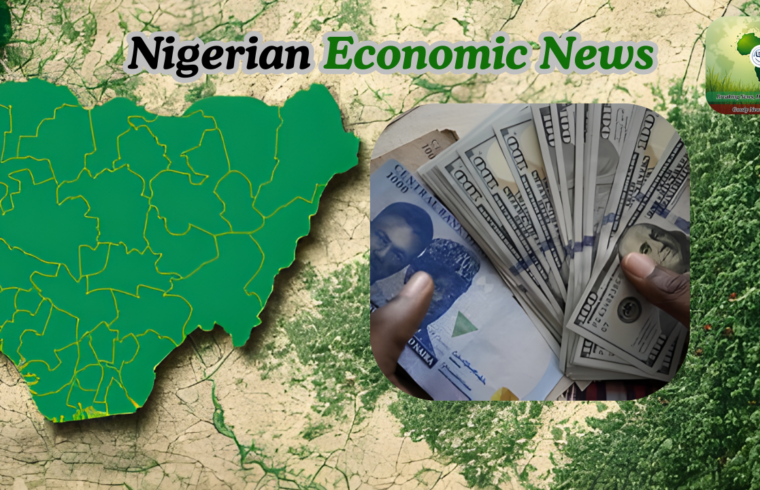
The value of the Nigerian currency against the United States dollar continues to be closely watched by traders, importers, and individuals involved in international transactions.
Movements in the foreign exchange market often influence business costs, travel plans, and the pricing of imported goods across the country.
Parallel Market Exchange Rates
In Nigeria, many individuals still obtain foreign currency through the informal exchange market, commonly referred to as the black market or parallel forex market.
Information gathered from Bureau De Change operators in Lagos indicates that the U.S. dollar is currently traded within a specific price range among dealers.
Typical figures reported in the informal market include:
- Dollar selling price: around ₦1,475 for $1
- Dollar buying price: roughly ₦1,467 for $1
These numbers represent the approximate rates at which traders exchange the American currency with customers.
Official Exchange Window
The official foreign exchange market is regulated by the Central Bank of Nigeria.
Through this system, licensed commercial banks and authorised dealers provide access to foreign currency under official guidelines.
Recent data from the central bank shows that the dollar currently trades within the following official band:
- Highest official rate: about ₦1,455 per dollar
- Lowest official rate: approximately ₦1,435 per dollar
The official market generally reflects transactions processed through regulated financial institutions.
Central Bank Position on Parallel Market
The Central Bank of Nigeria has consistently stated that it does not recognise the informal forex market.
Authorities therefore encourage individuals and businesses seeking foreign exchange to conduct transactions through approved banks and authorised financial channels.
Why Rates Differ
A noticeable gap often exists between the official rate and the value quoted in the parallel market.
This difference is largely influenced by the availability of foreign currency, demand from importers, and access to official forex channels.
When official supply becomes limited, more people turn to informal markets, which can push exchange prices higher.
Important Advisory for Forex Traders
Currency exchange rates are constantly changing and can vary from one location to another.
For this reason, the figures quoted in reports usually serve only as general market indicators.
Actual transactions may depend on factors such as:
- Dealer margins or commissions
- Market demand at the time of exchange
- Geographic location of the transaction
Commentary and Analysis
The persistent attention on dollar–naira exchange rates reflects the broader importance of foreign exchange stability for Nigeria’s economy.
Businesses that depend on imported goods, raw materials, or international services are particularly sensitive to fluctuations in currency value.
At the same time, the continued reliance on the parallel market highlights structural challenges in the country’s forex supply system.
Economic analysts often view the gap between the official and black-market rates as a key measure of currency stability.
As monetary authorities introduce policies aimed at improving liquidity and transparency, narrowing that gap may remain one of the major goals for Nigeria’s financial system.
© 2025 Gossip News Now, a division of CHIEJOS HARBIAN DIGITAL MEDIA LTD. Contact us via admin@gossipnewsnow.online