
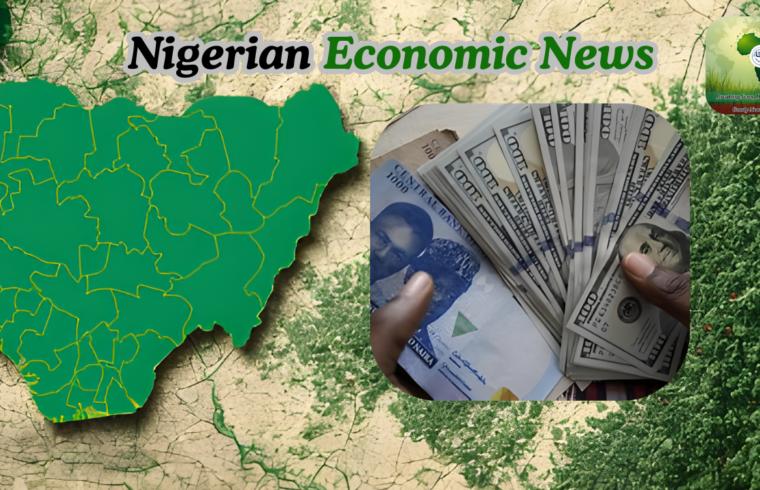
Nigeria’s foreign exchange market continues to attract strong public attention as fluctuations in the value of the naira shape everyday economic decisions. Both informal currency traders and official financial institutions operate simultaneously, creating different benchmarks for determining the value of the United States dollar within the country.
While banks rely on regulated foreign exchange frameworks, many Nigerians still monitor the parallel market — commonly referred to as the black market — where demand and supply largely determine exchange prices outside formal banking systems.
Snapshot of the Parallel Market
Currency dealers operating through Bureau De Change outlets in Lagos reported that the dollar maintained a relatively high value against the naira during the latest trading session in January 2026. Information gathered from traders shows a narrow margin between buying and selling prices, reflecting steady but cautious market activity.
In practical terms, individuals seeking to purchase dollars paid slightly more than those selling their foreign currency holdings. The difference between both rates represents the trader’s operating margin within the informal exchange environment.
Rather than presenting the figures in traditional tabular form, the current market movement can be summarized as follows:
- Dollar sales to buyers hovered around ₦1,490 per $1
- Dealers purchased dollars from sellers at roughly ₦1,480 per $1
These figures highlight the continued pressure on the naira within the unofficial segment of the foreign exchange market.
Understanding the Nature of the Black Market
The parallel market exists primarily because demand for foreign currency often exceeds supply available through official banking channels. Businesses, travelers, and import-dependent traders frequently turn to this market for faster access to dollars.
However, monetary authorities have repeatedly emphasised that transactions conducted outside licensed institutions fall outside regulatory protection. The Central Bank of Nigeria maintains that approved financial institutions remain the safest avenue for foreign exchange transactions.
Official Exchange Window Overview
Alongside the parallel market, the Central Bank’s official foreign exchange window recorded comparatively lower rates for the dollar. Data released from the regulated market indicated that the naira traded within a tight official band slightly above ₦1,420 per dollar.
Instead of listing the figures in a conventional rate table, the official range can be explained this way:
- The highest recorded official dollar value approached ₦1,423
- The lowest recognised rate remained close to ₦1,421
These numbers demonstrate the persistent gap between official and informal exchange markets in Nigeria’s currency ecosystem.
Why Rates Differ Across Markets
Exchange rate disparities often arise due to variations in access, regulation, and liquidity. The official window operates under policy controls designed to stabilise the economy, whereas the parallel market responds quickly to market sentiment, import demand, and speculative trading.
Consequently, Nigerians may encounter slightly different exchange values depending on location, dealer pricing, or transaction volume at any given time.
Market Commentary and Economic Analysis
The continued existence of dual exchange rates reflects broader structural challenges within Nigeria’s foreign exchange system. Analysts argue that the gap between official and parallel markets underscores persistent demand for foreign currency driven by imports, education payments abroad, and international trade obligations.
A widening difference between both markets often signals pressure on foreign reserves or limited dollar supply through official channels. Conversely, periods of convergence between the two rates may indicate improving liquidity or successful monetary interventions.
For everyday Nigerians, exchange rate movements influence inflation, purchasing power, and the cost of imported goods. As such, the dollar-to-naira relationship remains one of the most closely watched indicators of economic stability in the country.
© 2025 Gossip News Now, a division of CHIEJOS HARBIAN DIGITAL MEDIA LTD. Contact us via admin@gossipnewsnow.online