
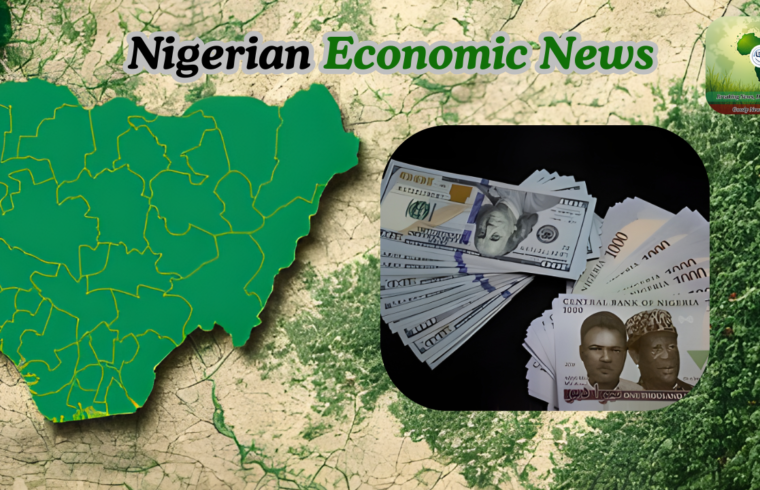
Foreign exchange movements remain a major concern for businesses, traders, and individuals across Nigeria, particularly as the naira continues to fluctuate against the U.S. dollar. Many Nigerians track both the official banking rates and the widely referenced parallel market values when planning transactions involving foreign currency.
The parallel market, commonly referred to as the black market or Aboki FX, is often used by individuals who cannot easily obtain foreign exchange through banks or other official channels.
Parallel Market Dollar Price in Lagos
Currency dealers operating within Lagos have provided the latest figures for dollar transactions in the informal market.
According to information gathered from Bureau De Change (BDC) operators, the exchange rates recorded around Saturday, December 13, 2025, show the dollar trading within the following range:
| Market Activity | Rate (₦ per $1) |
|---|---|
| Buying Price | ₦1,475 |
| Selling Price | ₦1,482 |
These figures represent the approximate rates quoted by dealers in the Lagos parallel market, although actual transactions may differ slightly depending on negotiation and demand.
Understanding the Black Market System
The parallel market exists alongside Nigeria’s official foreign exchange system. It typically reflects real-time demand and supply pressures in the economy.
Because the demand for dollars often exceeds the amount available through official banking channels, many individuals and businesses turn to the parallel market to obtain foreign currency quickly.
However, these transactions occur outside the official regulatory framework.
Central Bank’s Official Exchange Rate Window
While the parallel market remains widely referenced, the Central Bank of Nigeria (CBN) maintains an official exchange rate system through regulated financial institutions.
The official figures observed for the same period show a different range from the parallel market rates:
| Official Forex Window | Rate (₦ per $1) |
|---|---|
| Highest Recorded Rate | ₦1,458 |
| Lowest Recorded Rate | ₦1,453 |
The difference between these figures and those seen in the parallel market highlights the ongoing disparity between Nigeria’s official and informal foreign exchange markets.
CBN Position on Parallel Market Transactions
The Central Bank has repeatedly emphasised that it does not recognise the black market as an official platform for currency exchange.
Authorities encourage individuals and businesses seeking foreign currency to carry out transactions through commercial banks or other authorised financial institutions.
This policy is intended to strengthen regulation and improve transparency within the foreign exchange system.
Why Rates May Differ
Foreign exchange rates in Nigeria can vary depending on several market factors. Among the most common influences are:
- Local demand for foreign currency
- Availability of dollar supply in the market
- Regional differences among currency dealers
- Short-term fluctuations in global financial markets
Because of these variables, the exact price offered by a dealer may not always match the widely reported average figures.
Commentary and Analysis
The persistent gap between Nigeria’s official and parallel exchange rates continues to reflect structural challenges within the country’s foreign exchange market.
Limited dollar supply through official channels often pushes individuals and businesses toward informal markets, where prices respond more directly to demand.
Economic analysts frequently note that narrowing this gap may require stronger export earnings, improved foreign investment inflows, and more consistent monetary policy adjustments.
Until such changes occur, the parallel market is likely to remain an influential reference point for many Nigerians seeking quick access to foreign currency.
© 2025 Gossip News Now , a division of CHIEJOS HARBIAN DIGITAL MEDIA LTD. Contact us via admin@gossipnewsnow.online