

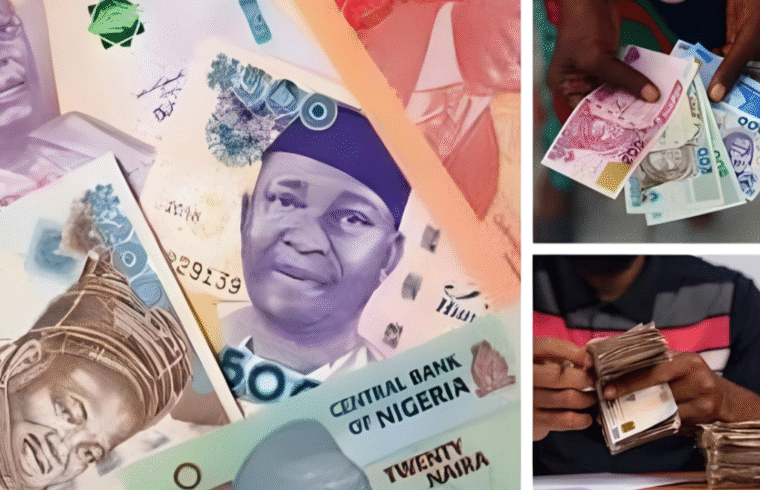
Fresh exchange rate figures from Lagos showed the naira still facing pressure in the informal foreign exchange market, with the U.S. dollar trading at a higher level outside the official system. For the Thursday, November 6, 2025 market snapshot carried into Friday, November 7, Bureau De Change operators in Lagos were quoted as selling the dollar at ₦1,455 and buying at ₦1,440 in the parallel market.
That gap again highlighted the difference between street-level forex activity and the official market structure. While many traders and individuals continue to monitor black market pricing closely, the Central Bank of Nigeria has repeatedly maintained that it does not recognize that segment and has advised those seeking foreign exchange to use formal banking channels instead.
In the official market range referenced for the same period, the dollar was reported within a narrower band. The highest official rate cited stood at ₦1,441, while the lowest was ₦1,434, showing that the formal window remained slightly below the parallel market valuation.
According to Gossip News Now, the comparison between both windows continues to serve as a key indicator for Nigerians trying to understand the real cost of foreign exchange across different channels. The black market figures may appear straightforward at first glance, but actual deals can still vary depending on where the transaction happens, the volume involved, and the discretion of the dealer.
Seen another way, the reported rates place the parallel market selling price ₦14 above the official high and ₦21 above the official low. That spread reflects the persistent premium attached to unofficial access to dollars, especially when demand remains strong outside regulated supply routes. This comparison is based on the quoted figures for November 6, 2025.
Market watchers also note that forex prices rarely stay fixed for long. Even where benchmark figures are published, the amount a buyer pays or a seller receives may shift within hours because of local demand, liquidity, negotiation strength, and geography. That means quoted rates should be treated as reference points rather than guaranteed transaction prices.
Commentary and Analysis
The latest exchange snapshot underscores a familiar pattern in Nigeria’s currency market: the official and parallel windows may move in the same general direction, but they often do not reflect the same access conditions. For ordinary users, that difference is not just numerical; it affects real purchasing power, business costs, and travel planning.
Another important takeaway is perception. Even when the official market shows a relatively tighter range, public attention often remains fixed on the parallel market because that is where many people believe they can judge immediate street demand more clearly. That is one reason exchange-rate headlines continue to attract such strong interest.
At the policy level, the continued warning from the CBN against black market dealings shows the authorities’ effort to redirect forex demand into formal channels. But as long as there is a visible gap between official access and informal demand, the unofficial market will likely remain a major reference point in public discussion.
© 2025 Gossip News Now, a division of CHIEJOS HARBIAN DIGITAL MEDIA LTD. Contact us via admin@gossipnewsnow.online