

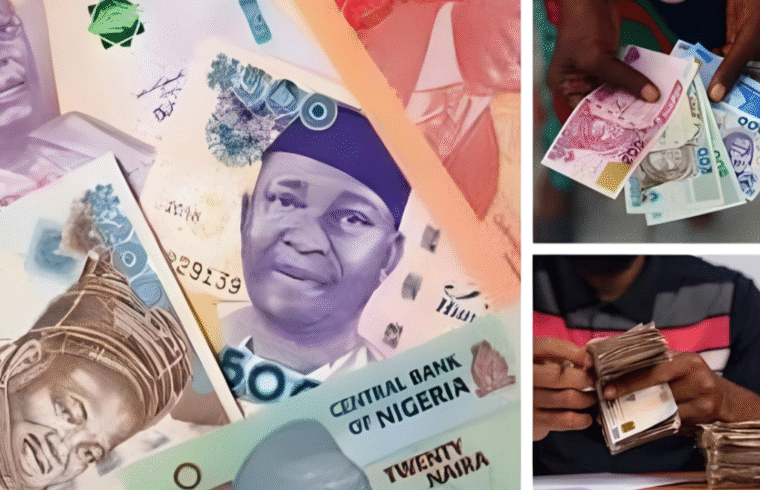
The Nigerian foreign exchange market continues to reflect a noticeable gap between official and informal trading windows, with the naira maintaining different values depending on where transactions occur.
At the center of this trend is the contrast between rates set within the regulated system and those determined by demand in the street market.
Parallel Market Rates Remain Elevated
In the unofficial segment, often referred to as the black market, the dollar traded at higher levels compared to the formal exchange window. Reports from Bureau De Change operators in Lagos indicate that buying and selling rates hovered around the upper ₦1,400 to ₦1,500 range.
This means individuals exchanging cash dollars outside the banking system are likely to encounter more expensive rates, driven largely by supply and demand dynamics.
Official Window Shows Relative Stability
At the regulated level, figures released by the Central Bank of Nigeria indicate a more controlled exchange environment. The naira traded within a narrower band, reflecting efforts to maintain stability through policy measures.
Rather than quoting exact figures in a rigid format, the data suggests that the official rate remained significantly lower than what is obtainable in the parallel market.
Snapshot of Current Market Differences
A simplified breakdown of the situation highlights the disparity:
- Parallel market: Higher rates influenced by cash demand
- Official window: Moderated rates supported by policy controls
- Buying vs selling spread: Wider in the informal market
- Accessibility: Easier in the black market but less regulated
This divergence continues to shape how individuals and businesses access foreign currency.
CBN’s Position on Forex Transactions
The Central Bank of Nigeria has consistently maintained its stance against the use of the black market, encouraging Nigerians to utilize authorized financial institutions for all foreign exchange dealings.
This position is aimed at improving transparency and strengthening the country’s monetary framework.
What Influences the Rate Variations?
Several factors contribute to the ongoing gap between both markets:
- Fluctuations in dollar supply
- High demand for foreign exchange for travel and imports
- Market speculation and sentiment
- Limited access to official forex channels
These elements combine to create persistent differences in pricing across markets.
Analysis and Market Outlook
According to Gossip News Now, the continued disparity between official and parallel market rates highlights structural challenges within Nigeria’s forex system. While the official window offers stability, accessibility remains a key issue for many participants.
Going forward, narrowing this gap will likely depend on improved dollar liquidity, consistent policy enforcement, and increased confidence in the formal financial system. Until then, the dual-rate environment is expected to remain a defining feature of Nigeria’s currency market.
© 2025 Gossip News Now , a division of CHIEJOS HARBIAN DIGITAL MEDIA LTD. Contact us via admin@gossipnewsnow.online