
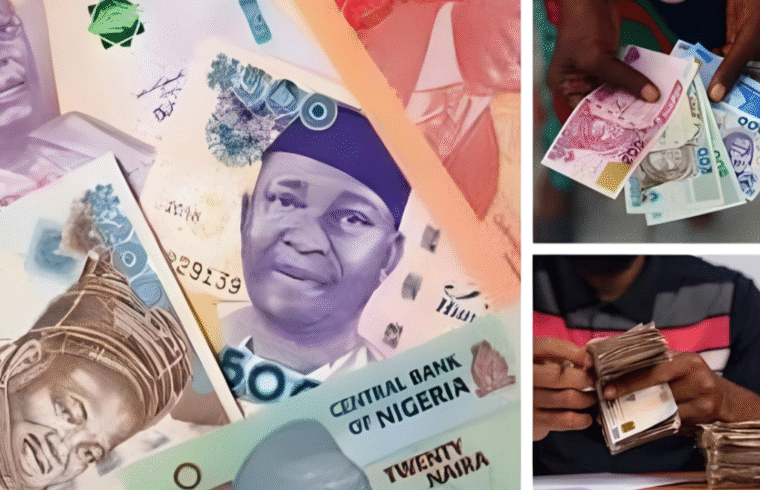
Currency traders in Nigeria’s informal foreign exchange market have reported fresh movements in the value of the naira against the U.S. dollar, reflecting ongoing volatility in the country’s forex space.
As of midweek trading, the parallel market—popularly known as the black market—recorded noticeable differences between buying and selling rates, a trend that continues to shape everyday transactions for individuals and small businesses.
According to Gossip News Now, information gathered from dealers within Lagos indicates that the dollar exchanged at rates above ₦1,450, highlighting sustained pressure on the local currency.
Market participants revealed that the pricing structure showed a slight gap between purchase and sale values, which typically reflects demand levels and liquidity conditions in the informal market.
A breakdown of the situation shows the following pattern:
- The dollar is sold at a higher rate than it is purchased
- The margin between both rates reflects trader profit and market demand
- Prices may vary slightly depending on location and negotiation
While many Nigerians rely on the parallel market for quick access to foreign currency, the Central Bank of Nigeria (CBN) maintains that it does not recognize this segment of the forex market.
Instead, the apex bank continues to advise individuals and businesses to obtain foreign exchange through official banking channels, where transactions are regulated and monitored.
On the official side, rates released within the formal system indicate a slightly lower range compared to what is obtainable on the streets. This difference underscores the ongoing gap between regulated and unregulated markets.
Exchange figures from the official window suggest:
- The highest recorded rate is in the lower ₦1,400 range
- The lowest rate remains only slightly below that peak
- The spread within the official market is relatively narrow compared to the parallel market
It is also worth noting that foreign exchange values are highly dynamic, with rates changing frequently based on supply, demand, and broader economic conditions.
Commentary & Analysis
The persistent gap between official and parallel market rates highlights structural challenges within Nigeria’s forex system. While the official window aims to stabilize the currency, limited access often pushes demand into the informal market.
This dual-market reality continues to influence pricing across sectors, from imports to everyday goods, ultimately affecting inflation and purchasing power.
Until supply improves and confidence strengthens within the official system, fluctuations like these are likely to remain a defining feature of Nigeria’s foreign exchange landscape.
© 2025 Gossip News Now, a division of CHIEJOS HARBIAN DIGITAL MEDIA LTD. Contact us via admin@gossipnewsnow.online