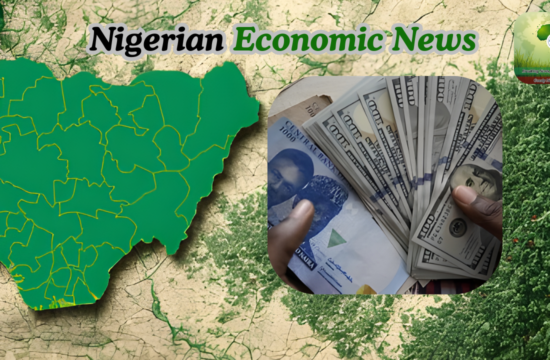


Nigeria’s foreign exchange environment continues to attract widespread attention as citizens and businesses monitor daily movements in the value of the naira against the United States dollar. Differences between official banking rates and the parallel market remain a defining feature of the country’s currency landscape.
The parallel market — popularly known as the Aboki FX segment — operates outside formal banking supervision and reflects real-time demand for foreign currency among traders, importers, and individuals seeking faster access to dollars.
Current Situation in the Informal Forex Market
Information gathered from Bureau De Change operators in Lagos indicates that the dollar maintained a strong position against the naira during late January trading sessions. Dealers reported that the gap between buying and selling prices remained narrow, suggesting relatively stable trading activity despite continued pressure on the local currency.
Rather than presenting figures in a standard rate table, the latest market situation can be outlined as follows:
- Currency dealers sold one U.S. dollar at approximately ₦1,490
- Individuals exchanging dollars received close to ₦1,482 per dollar
These figures represent the prevailing conditions within Nigeria’s unofficial foreign exchange market at the time of reporting.
CBN Position on Parallel Market Transactions
Nigeria’s monetary authorities have repeatedly clarified that transactions conducted in the black market fall outside official recognition. The Central Bank of Nigeria continues to encourage businesses and individuals to obtain foreign exchange through licensed commercial banks and regulated financial institutions.
The apex bank maintains that reliance on authorised channels promotes financial stability and protects participants from risks associated with unregulated currency trading.
Official Exchange Window Overview
In contrast to the parallel market, the regulated foreign exchange window recorded noticeably lower dollar values. Data released within the official framework shows the naira trading within a controlled range slightly above ₦1,420 per dollar.
The official benchmark for the day can be summarised in this manner:
- Peak official exchange value reached about ₦1,423 per dollar
- The lowest recognised trading level hovered around ₦1,420
The difference between both markets continues to highlight ongoing supply and demand imbalances within Nigeria’s forex system.
Why Exchange Rates Differ Across Locations
Foreign exchange prices often vary due to several factors, including transaction volume, geographic location, and dealer margins. Market participants may therefore encounter slightly different rates depending on negotiation terms or local currency demand at the point of exchange.
This variability explains why actual transaction values sometimes differ from publicly reported averages.
Economic Commentary and Analysis
The persistence of dual exchange rates reflects structural realities within Nigeria’s economy, particularly high demand for foreign currency driven by imports, international education payments, and overseas transactions. When access to dollars through official channels becomes limited, market participants naturally gravitate toward the parallel market.
Economists note that narrowing the gap between official and informal exchange rates remains one of the key challenges facing monetary policymakers. Achieving this balance could improve investor confidence, stabilise prices, and reduce speculative pressure on the naira.
For ordinary Nigerians, movements in the dollar-to-naira exchange rate influence inflation, cost of living, and business operations. As such, daily forex updates continue to serve as an important indicator of the country’s broader economic health.
© 2025 Gossip News Now, a division of CHIEJOS HARBIAN DIGITAL MEDIA LTD. Contact us via admin@gossipnewsnow.online