
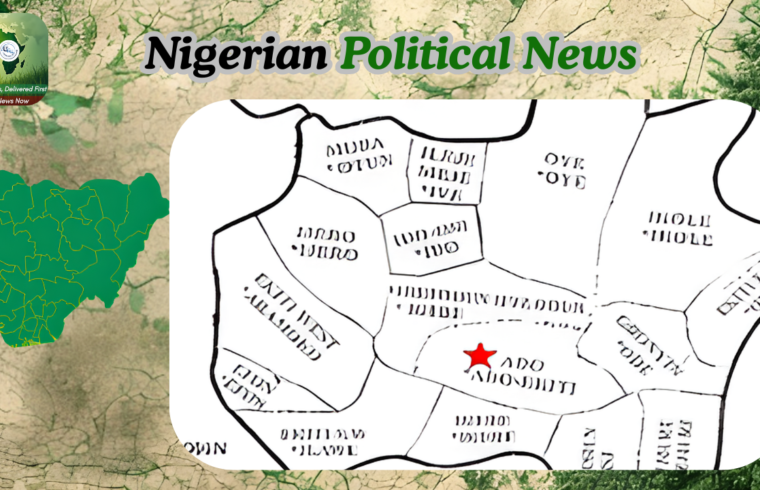
As preparations intensify for the forthcoming governorship election in Ekiti State, political parties have been notified of new regulatory conditions guiding campaign publicity across the state. Authorities overseeing outdoor advertising have introduced a financial requirement that parties must meet before deploying posters, billboards, or branded promotional materials.
The announcement signals an effort by regulators to manage political advertising activities more effectively while maintaining environmental standards during the heated campaign period. With multiple parties preparing to canvass for votes, officials insist that orderly messaging across public spaces has become necessary to avoid visual clutter and safety concerns.
Regulatory Framework for Campaign Displays
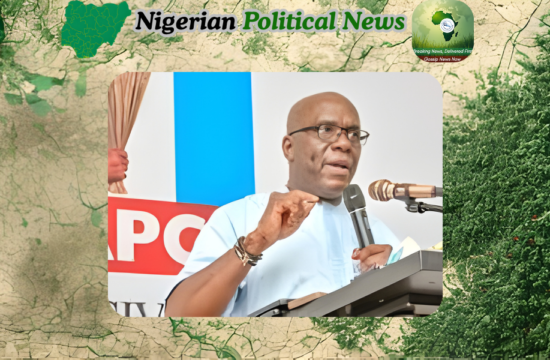
During a televised engagement programme focused on governance issues in Ekiti, the leadership of the state’s signage regulatory body outlined the operational guidelines for election campaigns. The agency explained that every political party participating in the election must obtain official clearance through a unified advertising permit.
Rather than allowing unrestricted placement of campaign materials, the agency introduced a structured payment arrangement designed to regulate how political branding appears in public areas. Each party is expected to contribute an equal amount toward the approved advertising scheme covering the entire campaign duration.
The fee, officials noted, grants political organisations permission to install campaign publicity materials across all administrative divisions of the state, including local governments, wards, and development councils.
Scope of Enforcement Across Advertising Platforms
Authorities clarified that enforcement would not be limited to conventional billboards alone. Regulations extend to numerous publicity channels commonly used during elections, such as:
- roadside banners and posters
- branding on vehicles used for campaigns
- advertising mounted on streetlight poles
- large outdoor displays and temporary structures
By widening the scope, regulators aim to ensure that every form of outdoor political communication complies with existing state laws governing signage placement.
Purpose Behind the Policy
Officials emphasised that the new directive is not solely revenue-driven. According to the agency, the initiative primarily seeks to restore environmental order, improve urban aesthetics, and enhance public safety during electioneering activities.
Political posters, often mounted indiscriminately during campaigns, have historically contributed to visual pollution and obstruction of public infrastructure. The agency maintains that structured supervision will help preserve the appearance of towns and cities while allowing political expression within regulated limits.
One official explained that campaign materials frequently represent the first interaction voters have with candidates, making proper organisation of such messaging essential to maintaining credibility and clarity throughout the electoral process.
Single Payment Covers Entire Campaign Cycle
The regulatory body further clarified that once a party settles the stipulated payment, it will not be required to make additional advertising payments throughout the campaign season. The arrangement, according to officials, was designed to promote fairness by creating a level playing field among contestants regardless of party size.
By introducing a uniform fee system, authorities believe disputes over unequal access to advertising spaces will be reduced, ensuring transparent participation by all parties contesting the election.
Early Compliance by Political Actors
Reports from the agency indicate that compliance has already begun among political stakeholders. Some parties, including the ruling All Progressives Congress, have reportedly completed the required payment, signalling readiness to commence structured campaign activities.
Regulators expressed optimism about cooperation from other parties but issued a firm warning that violations would attract penalties. Unauthorized campaign materials may be removed, seized, or subjected to legal consequences under existing signage laws.
Clarification on Agency Powers
Addressing public concerns, the agency stressed that its mandate is strictly limited to regulating signage and advertisements. Officials stated that enforcement teams do not possess authority to impose general taxes, seal commercial premises, or shut down businesses.
Instead, enforcement measures will focus solely on unapproved advertisements. Any confiscated campaign material will be stored at the agency’s office, and affected parties will be required to pay penalties — potentially double the approved fee — before recovering their items.
Commentary and Analysis
The introduction of a centralized campaign advertising fee reflects a growing trend among state governments seeking to balance political freedom with urban management. While supporters argue that regulation prevents environmental degradation and promotes fairness, critics may view such charges as financial barriers for smaller political parties.
Nonetheless, the policy highlights an evolving recognition that election campaigns now extend beyond rallies and media appearances into the management of public space itself. By formalizing campaign advertising, authorities appear to be attempting a structured electoral environment where visibility is regulated rather than chaotic.
Whether the directive ultimately enhances electoral fairness or sparks political debate will likely depend on how uniformly enforcement is applied across all parties in the coming weeks.
© 2025 Gossip News Now, a division of CHIEJOS HARBIAN DIGITAL MEDIA LTD. Contact us via admin@gossipnewsnow.online