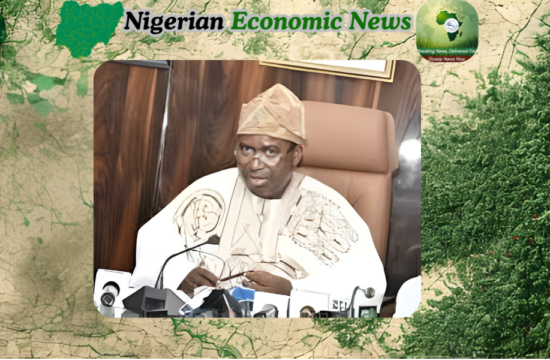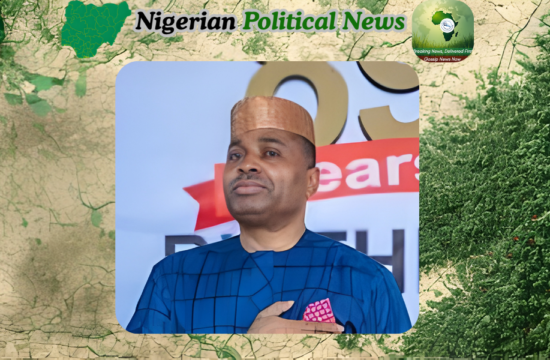

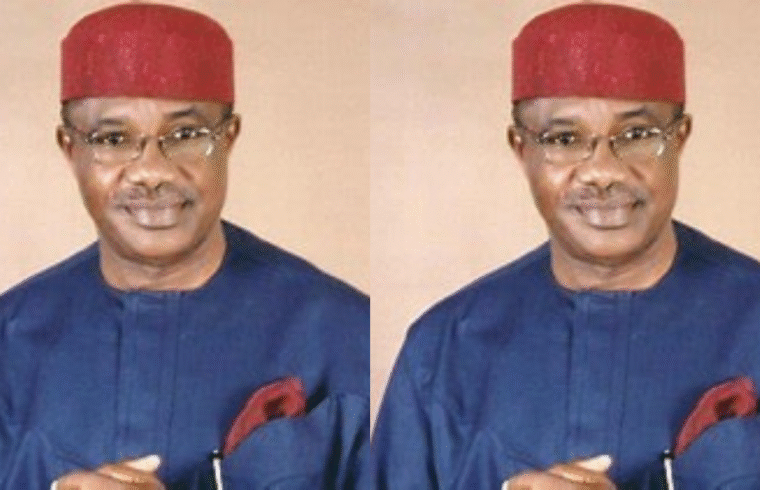
The deepening crisis within the Peoples Democratic Party (PDP) has once again been linked to internal ambitions, as Mao Ohuabunwa offers a candid explanation for the party’s persistent instability.
Speaking on the roots of the turmoil, the former senator suggested that the party’s challenges are largely self-inflicted, driven by a failure to adhere to its own guiding principles and constitutional framework.
According to Gossip News Now, Ohuabunwa emphasized that repeated disregard for established rules has created a cycle of conflict that continues to undermine unity within the PDP.
Rather than isolated disagreements, he described the situation as a pattern of recurring issues that have gone unresolved for years.
Providing a broader historical context, he pointed out that the party has struggled to properly evaluate and correct its past mistakes, even after losing power in 2015.
He noted that efforts made to identify the causes of that defeat did not translate into meaningful reforms, allowing similar problems to resurface in subsequent election cycles.
Reframing his concerns more sharply, Ohuabunwa argued that leadership contests within the party have consistently revolved around presidential aspirations.
He suggested that personal ambitions often overshadow collective interests, creating tension whenever individuals seek to assert dominance or claim positions prematurely.
In explaining this dynamic, he highlighted a recurring trend where politicians rejoin the party and expect immediate influence, despite constitutional provisions that require them to rebuild their standing from scratch.
This, he said, has been a major source of friction within the party’s ranks.
Turning to leadership decisions, Ohuabunwa criticized how succession matters have been handled, particularly following the exit of Iyorchia Ayu as national chairman.
He explained that the process did not align with zoning arrangements, which are meant to maintain balance within the party’s structure.
He also noted that the removal or suspension of key officials further weakened the party’s internal stability, as critical positions were left in uncertainty.
Despite the ongoing crisis, Ohuabunwa maintained that his commitment to the PDP remains firm, contrasting his stance with others who have chosen to leave the party during difficult periods.
He stressed that long-standing members like himself have invested significantly in sustaining the party, even when faced with setbacks.
Commentary & Analysis
Ohuabunwa’s perspective sheds light on a fundamental issue within political organizations—the tension between personal ambition and institutional discipline.
His argument suggests that without strict adherence to rules and internal reforms, even well-established parties can struggle to maintain cohesion.
The emphasis on presidential ambitions as a recurring trigger highlights how leadership contests can destabilize party structures when not properly managed.
Additionally, the reference to unimplemented reforms points to a missed opportunity for the PDP to rebuild after its 2015 loss, which continues to affect its trajectory today.
Ultimately, the situation reflects a broader lesson in political management: sustainable success depends not only on electoral strength but also on internal unity and respect for established systems.
© 2025 Gossip News Now , a division of CHIEJOS HARBIAN DIGITAL MEDIA LTD. Contact us via admin@gossipnewsnow.online