
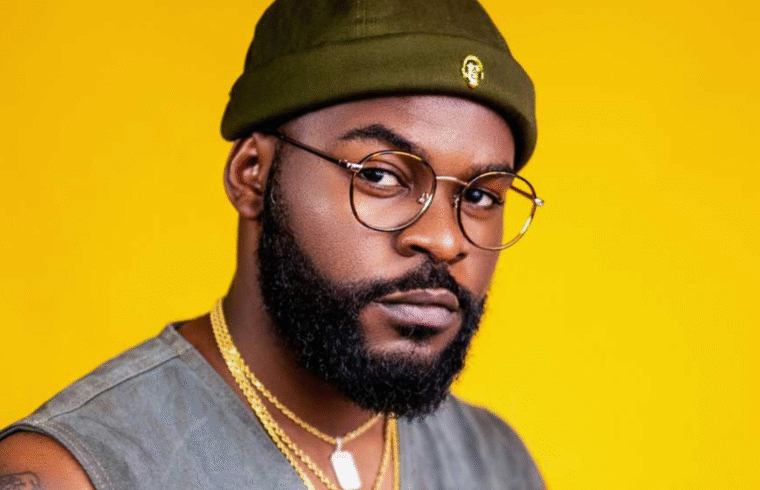
Nigerian rapper and activist Falz has voiced fresh concern about the growing way religion and ethnicity continue to set citizens against one another, warning that the repeated use of those differences is damaging the country’s sense of unity.
The award-winning artist, whose real name is Folarin Falana, shared his frustration in a recent post where he reflected on how painful it has been to watch tribal and religious sentiments remain powerful tools for division. To him, the problem has lasted far too long and continues to weaken national cohesion.
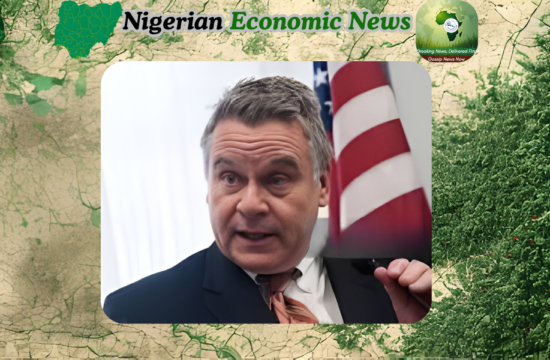
His remarks came in the wake of a tense online confrontation involving groups of Christian and Muslim youths. The clash reportedly gained momentum after U.S. President Donald Trump made comments threatening military action in Nigeria, claiming the move would be aimed at protecting Christians from extremist violence. That statement quickly triggered renewed argument and hostility across social media spaces.
Rather than accept the escalating tension, Falz called on Nigerians to reject the kind of rhetoric that pushes communities apart. He urged citizens to begin thinking more independently and stop allowing themselves to be manipulated by narratives built on fear, identity, and suspicion. Gossip News Now reports that his message centered on the urgent need for people to rise above emotional division.
The rapper’s intervention adds to a wider conversation about how easily public debates in Nigeria can slide into religious or ethnic confrontation. Even when national issues demand shared concern, discussions often become polarized along identity lines, making solutions harder to achieve.
A similar appeal also came from comedian and content creator Nasboi, who recently criticized the way Nigerians remain divided while corruption flourishes. He argued that citizens should look beyond tribe and religion and focus instead on demanding accountability from leaders who continue to misuse public resources.
By linking unity with responsible citizenship, both entertainers appear to be making the same broader point: a divided population becomes easier to distract and control. While one focused on the emotional damage caused by identity-based conflict, the other tied that division to the failure to confront corruption and poor governance.
Taken together, their remarks reflect a growing frustration among public figures who believe Nigeria’s biggest obstacles are being worsened by internal distrust. Instead of building common ground, the country often finds itself trapped in cycles of suspicion that benefit neither peace nor progress.
Commentary and Analysis
Falz’s comments touch on one of Nigeria’s most persistent national problems: the habit of viewing major issues through the lens of religion and ethnicity before looking at them as shared civic concerns. That pattern makes it easier for conflict to grow and harder for citizens to unite around common interests.
What makes his warning significant is that it comes at a time when online reactions can quickly inflame real-world tension. His message, alongside Nasboi’s, suggests that the call for unity is no longer just about peaceful coexistence, but also about protecting the country from manipulation, distraction, and deeper social fragmentation.
© 2025 Gossip News Now, a division of CHIEJOS HARBIAN DIGITAL MEDIA LTD. Contact us via admin@gossipnewsnow.online