
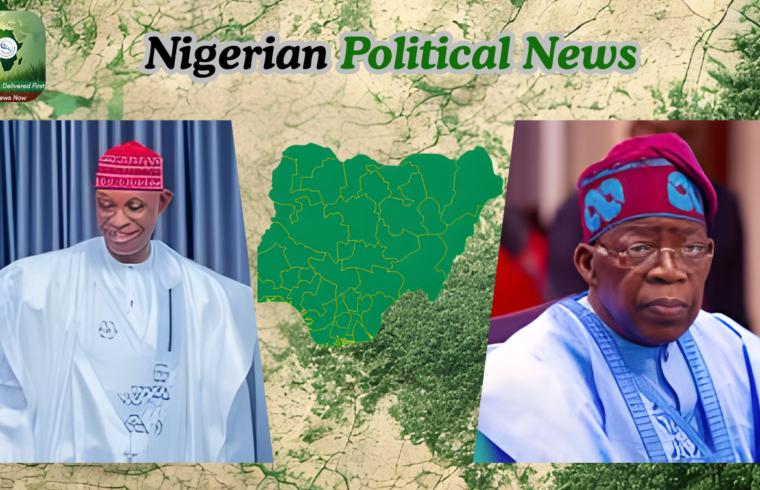
A significant shift may soon reshape Kano State’s political landscape following high-level discussions between Nigeria’s President, Bola Ahmed Tinubu, and Governor Abba Kabir Yusuf. Emerging accounts from insiders suggest that the engagement has accelerated ongoing political negotiations that could lead to a major party switch.
Though neither side released an official communiqué immediately after the meeting, multiple political sources indicate that the governor is nearing a decision to leave the New Nigeria Peoples Party (NNPP) and join the ruling All Progressives Congress (APC). The development, if confirmed, would mark one of the most notable political realignments in northern Nigeria since the 2023 general elections.
A Meeting That Changed the Conversation
The private session reportedly took place at the Presidential Villa in Abuja and lasted several hours, underscoring its importance. Observers say the extended discussions were aimed at resolving lingering uncertainties that had previously slowed down talks surrounding Yusuf’s possible defection.
Governor Yusuf avoided detailed comments when approached after the meeting, merely hinting at future developments by stating that he would return later — a remark that has since fueled speculation across political circles.
Long-Standing Tensions Behind the Scenes
For weeks, political conversations in Kano had centred on rumours of a growing distance between Yusuf and influential NNPP leader, Senator Rabiu Musa Kwankwaso. Analysts believe the governor’s engagement with federal authorities signalled a strategic reassessment of alliances rather than a sudden political decision.
The anticipated move is viewed by many insiders as part of a broader recalculation driven by evolving national power dynamics and the need for stronger collaboration with the federal government.
Concerns That Needed Resolution
Sources familiar with the negotiations disclosed that the governor’s hesitation was largely tied to safeguards surrounding his political future. Before agreeing to any transition, Yusuf reportedly sought assurances on several critical matters:
- Protection of his political network and loyal supporters
- Clarity regarding his prospects for the 2027 governorship race
- Integration of his existing structure within the APC framework
According to insiders, these issues were thoroughly addressed during the meeting with President Tinubu, clearing the final obstacles that had delayed a formal announcement.
Strategic Importance of Kano
Political strategists within the ruling party reportedly see Kano as a key battleground capable of influencing national electoral outcomes. The APC is said to be keen on rebuilding its dominance in the North-West after facing electoral challenges in the last general election cycle.
One insider summarised the mood within government circles, suggesting that the president views the governor as an essential figure in strengthening the party’s regional presence, while Yusuf himself is believed to favour closer alignment with federal leadership for strategic governance reasons.
Timeline and Atmosphere of the Visit
Witness accounts indicate that the governor arrived at the Presidential Villa in traditional northern attire during the late afternoon and departed in the evening after nearly three hours of consultations. The length of the engagement has been interpreted as evidence of detailed negotiations rather than routine political courtesy.
Although no immediate declaration followed, party watchers believe an official statement could emerge soon, potentially reshaping alliances within Kano politics.
Commentary and Political Analysis
If the expected defection materialises, it may redefine power relations not only within Kano State but across opposition politics nationwide. Political defections in Nigeria often reflect deeper calculations involving governance access, electoral survival, and strategic positioning ahead of future elections.
The situation also highlights a recurring trend in Nigerian politics where governors seek stronger ties with the centre to secure political stability and developmental leverage. However, such moves can trigger internal resistance, particularly from long-standing allies who may view realignments as ideological betrayal.
Beyond personalities, the unfolding scenario raises broader questions about party loyalty, regional influence, and the evolving nature of coalition politics in Nigeria’s democratic space. Whether the shift strengthens governance collaboration or deepens partisan rivalry will depend largely on how stakeholders manage the transition.
© 2025 Gossip News Now, a division of CHIEJOS HARBIAN DIGITAL MEDIA LTD. Contact us via admin@gossipnewsnow.online