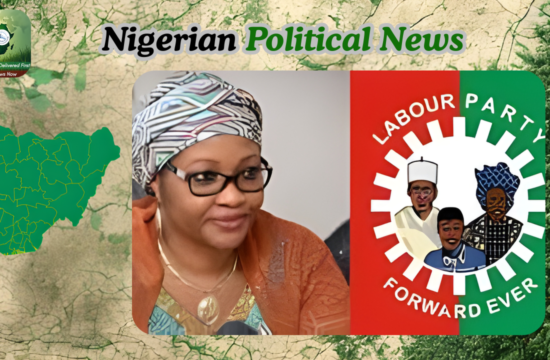

Political conversations in Kano State have intensified following widespread speculation that Governor Abba Kabir Yusuf could abandon his current political platform for the All Progressives Congress (APC). However, leaders within the Kwankwasiyya Movement insist the rumours neither threaten their structure nor diminish the authority of former governor Rabiu Musa Kwankwaso.
Saddam Sani Umar, who serves as Welfare Officer of the movement in Kano, described the ongoing discussions as exaggerated political noise rather than a genuine shift capable of destabilizing the movement. According to him, the political relevance of Kwankwaso stretches far beyond Kano State, making any perceived setback largely symbolic rather than practical.
Rather than focusing on party affiliations, Umar argued that Nigerian political actors continue to revolve around Kwankwaso’s influence. In his view, the former presidential candidate remains a central figure whose appeal among ordinary citizens has endured despite changing alliances within the political space.
He maintained that claims suggesting Kwankwaso would suffer politically if Governor Yusuf defects fail to recognize the depth of loyalty the movement enjoys nationwide. Umar emphasized that political parties often compete for Kwankwaso’s support, not the other way around, portraying him as a leader deeply connected to grassroots voters.
Drawing lessons from Kano’s political history, Umar warned that abandoning Kwankwaso’s political structure has rarely produced positive outcomes. He referenced past administrations where alliances collapsed after perceived betrayals, insisting that history has repeatedly shown that distancing oneself from the movement carries political consequences.
The Kwankwasiyya chieftain also revisited events leading to the 2023 governorship election, crediting Kwankwaso’s personal influence for Yusuf’s emergence as governor. He noted that Yusuf’s rise occurred despite the movement lacking widespread control of local government structures at the time, which he presented as proof of Kwankwaso’s enduring political machinery.
According to Umar, Yusuf’s political journey reflects years of mentorship under Kwankwaso, beginning from his service as a longtime aide and later appointments into public office. He argued that such a trajectory demonstrates the former governor’s role as a political builder rather than merely a party figure.
Looking ahead, Umar predicted that any alliance between Yusuf and the APC would ultimately strengthen the Kwankwasiyya base rather than weaken it. He expressed confidence that Kano voters remain primarily loyal to Kwankwaso’s decisions, suggesting that electoral outcomes in the state still revolve around the movement’s endorsement.
Addressing concerns that loss of governmental control could reduce the movement’s influence, Umar dismissed the idea, saying political awareness among citizens has evolved. He suggested that material advantages or access to state resources no longer guarantee long-term political loyalty.
He further revealed that Kwankwaso has advised supporters currently holding government positions to remain calm and strategic regardless of political developments. Rather than resigning or confronting authorities, loyalists have been encouraged to maintain stability while awaiting future political opportunities.
Umar clarified that this posture should not be interpreted as an attempt to destabilize governance. Instead, he described it as a disciplined political strategy designed to avoid unnecessary confrontation while monitoring unfolding events.
He also argued that the intense speculation surrounding Yusuf’s possible defection demonstrates that national political actors are ultimately interested in Kwankwaso himself. In his assessment, rumours persist because rival parties view the movement’s leader as the real prize in Kano politics.
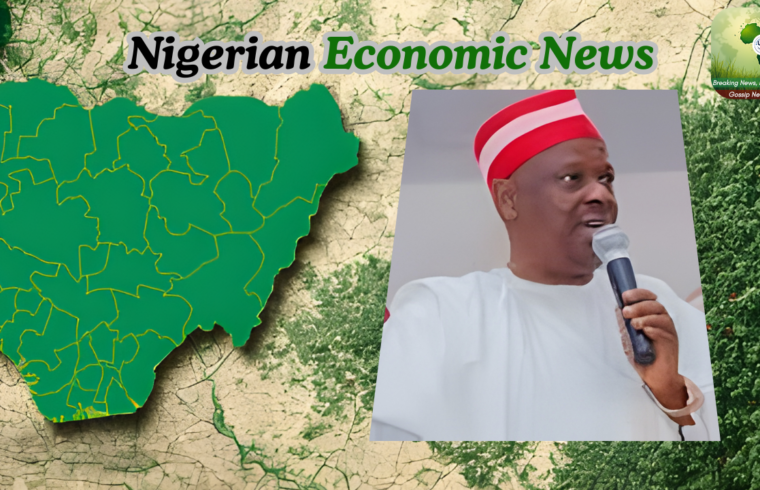
Symbolism remains central to the movement’s identity, Umar added, pointing to the famous red cap associated with Kwankwasiyya followers. He suggested that the emblem represents ideological loyalty and political protection, warning that abandoning it could signal a dangerous disconnect from the movement’s base.
Commentary and Analysis
The statements by Umar reveal more than a response to defection rumours; they reflect an ongoing struggle over political ownership in Kano State. Nigerian politics often revolves around personalities as much as institutions, and the Kwankwasiyya Movement exemplifies how political loyalty can transcend party platforms.
If Governor Yusuf were to change political affiliation, the real test would not necessarily lie in party strength but in whether personal loyalty to Kwankwaso outweighs institutional advantages offered by rival parties. Umar’s comments suggest the movement believes its power comes from social connection and grassroots identity rather than formal political control.
The emphasis on patience, symbolism, and historical precedent indicates a calculated strategy: preserve unity, avoid open conflict, and rely on electoral moments to reassert influence. Whether this approach succeeds will depend on voter perception and future political alignments within Kano’s complex political landscape.
© 2025 Gossip News Now, a division of CHIEJOS HARBIAN DIGITAL MEDIA LTD. Contact us via admin@gossipnewsnow.online