
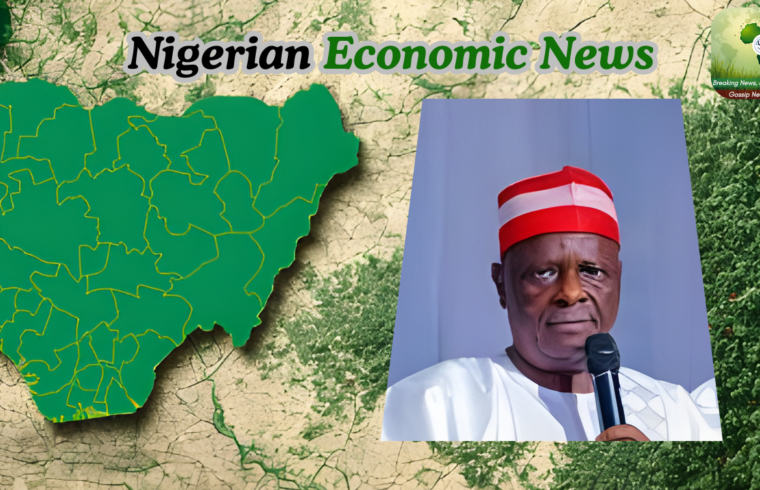
Political tensions have intensified in Kano State following Governor Abba Yusuf’s reported departure from the New Nigeria People’s Party (NNPP), a move that has reportedly sparked a wave of resignations among officials aligned with former presidential candidate Rabiu Musa Kwankwaso.
The unfolding situation has exposed growing divisions within the state’s political structure, with several appointees distancing themselves from the administration in protest. Observers say the development reflects a deeper struggle over loyalty and ideological alignment within the political movement that brought Yusuf to power.
One of the earliest public reactions came from Sunusi Sirajo, formerly Special Adviser on Political Matters, who announced his resignation through a widely circulated video. He explained that the governor’s decision to leave the NNPP conflicted with his personal political allegiance.
Sirajo disclosed that although he formally submitted his resignation letter, it was reportedly declined by government authorities, prompting him to publicly reaffirm his exit. He expressed appreciation for his time in office but insisted he could not remain in a government he believed had departed from the political path established by Kwankwaso.
Administration Responds With Immediate Replacement
Shortly after Sirajo’s announcement, the governor’s media office confirmed that Mustapha Hamza Buhari had been appointed to assume the role of Special Adviser on Political Matters. The swift replacement signaled the administration’s intention to maintain operational continuity despite mounting political unrest.
Beyond Sirajo’s resignation, additional officials have reportedly stepped down from key positions, suggesting widening dissatisfaction among loyalists of the Kwankwasiyya political movement. Those said to have resigned include senior figures from state agencies and advisory offices, reflecting the scale of the emerging political realignment.
Rather than listing events strictly as they occurred, the resignations highlight several underlying dynamics shaping the crisis:
- Loyalty conflicts between political ideology and government service
- Internal divisions following party realignment
- Administrative restructuring within the state government
- Growing uncertainty about future political alliances
Symbolic Changes at Government House
Amid the political turbulence, visual signs of transition also appeared at the Kano State Government House. Videos circulating online showed NNPP flags being removed from the premises, a development later confirmed by on-site observations indicating that party banners had been taken down from strategic locations within the complex.
The removal of party insignia has been interpreted by analysts as a symbolic confirmation of shifting political identity, even as official announcements regarding new party affiliation continue to generate debate.
Possibility of Further Defections
Sources within political circles suggest that additional resignations may occur if disagreements within the administration remain unresolved. The evolving situation points to a broader political recalibration ahead of future electoral contests.
While supporters of the governor view the move as strategic repositioning, critics within the former party structure describe it as abandonment of a collective political struggle.
Commentary & Analysis
Governor Yusuf’s reported exit from the NNPP underscores the fluid nature of Nigerian party politics, where alliances frequently shift based on electoral strategy and power consolidation. Political loyalty in such contexts often extends beyond party labels to influential personalities and ideological movements.
The reaction of Kwankwaso loyalists highlights the enduring influence of political mentorship networks in northern Nigeria. For many appointees, allegiance to a political leader may outweigh institutional attachment to government positions.
Analysts believe the situation could reshape Kano’s political landscape in multiple ways. A successful integration into a new political platform may strengthen the governor’s national alliances, but it also risks alienating grassroots supporters who identify strongly with the Kwankwasiyya movement.
Ultimately, the coming months may determine whether the resignations represent temporary turbulence or the beginning of a deeper political transformation in one of Nigeria’s most politically significant states.
© 2025 Gossip News Now, a division of CHIEJOS HARBIAN DIGITAL MEDIA LTD. Contact us via admin@gossipnewsnow.online