
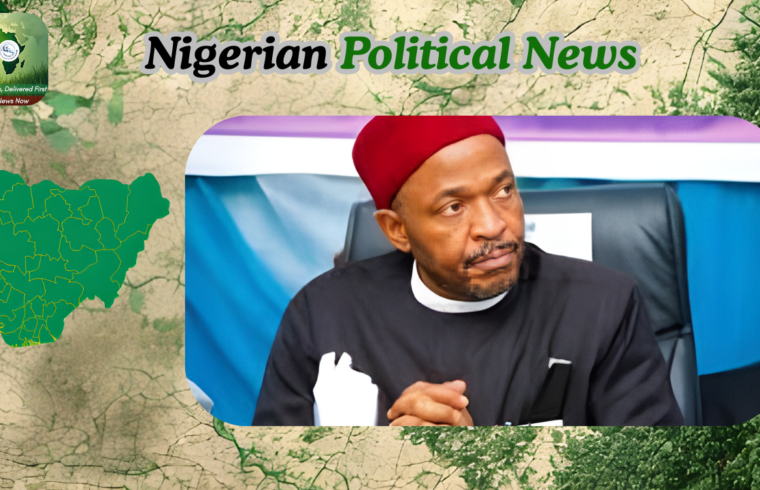
Former Minister of State for Education, Chukwuemeka Nwajiuba, has weighed in on Nigeria’s evolving political landscape, stating that the current atmosphere of shifting alliances has effectively reset traditional political rankings across parties, including the African Democratic Congress (ADC).
During a televised interview discussing recent political movements, Nwajiuba suggested that the concept of established political “heavyweights” may no longer apply in the emerging political environment. According to him, politicians migrating into new platforms are essentially rebuilding their political relevance from the ground up.
A Political Space Under Reconstruction
Nwajiuba explained that ongoing defections and coalition-building efforts have created a transitional phase in Nigerian politics. In his view, influence within political parties must now be re-earned through collective engagement rather than historical reputation alone.
He argued that the changing dynamics mean no individual currently dominates the ADC structure to the extent traditionally associated with political heavyweights. Instead, the party represents a gathering of experienced figures attempting to shape a fresh political direction.
Recognition of Credible Leadership Within ADC
Despite downplaying the existence of dominant figures, Nwajiuba was quick to clarify that the party hosts respected personalities with established national credibility. He stressed that competence and public trust remain strong assets among members of the ADC, even if the political hierarchy is still evolving.
According to him, credibility should not be mistaken for political dominance, noting that many leaders within the party possess reputations built through years of public service.
Reflections on Key Political Figures
Discussing notable personalities connected to the coalition, Nwajiuba highlighted several prominent politicians whose experience continues to shape national discourse. He commended former Vice President Atiku Abubakar, particularly referencing his role in overseeing Nigeria’s privatisation programme, which he described as professionally managed during its implementation.
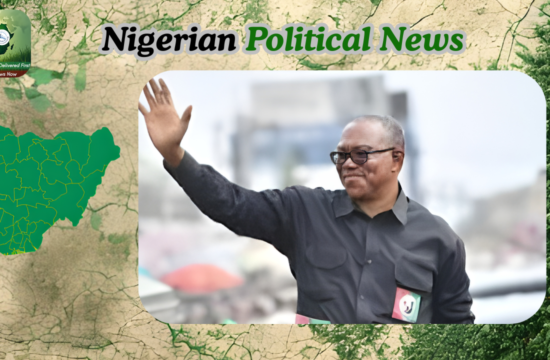
He also acknowledged former Rivers State Governor Rotimi Amaechi, describing him as a trusted associate from his time in government. Additionally, Nwajiuba recognised Peter Obi, whom he portrayed as an influential elder figure whose involvement in coalition discussions predates his formal alignment with the platform.
Lessons From the 2023 Elections
Looking back at the last general elections, Nwajiuba pointed to the significant mobilisation of young voters, noting that political engagement among Nigeria’s youth demonstrated a growing appetite for alternative leadership and new political ideas.
He suggested that future political success would depend on cooperation among diverse political actors rather than competition rooted solely in personal ambition. According to him, Nigeria’s progress requires the merging of different perspectives, ideologies, and generational voices.
Call for National Participation
Emphasising inclusivity, the former minister encouraged Nigerians from varying political backgrounds to participate actively in shaping the country’s future. He argued that democratic growth depends on widespread involvement rather than exclusion or factional politics.
For Nwajiuba, collaboration across party lines remains essential if Nigeria hopes to address national challenges and build sustainable governance structures.
Commentary and Analysis
Nwajiuba’s remarks reflect a broader transformation currently underway in Nigerian politics, where traditional party dominance is increasingly challenged by coalition-building and ideological experimentation. His assertion that political heavyweights must re-establish influence highlights the fluid nature of power in periods of political realignment.
Analysts observe that emerging alliances often begin without clear hierarchies, allowing new leadership dynamics to develop organically. This transitional phase can create uncertainty but also opens opportunities for fresh political narratives and broader citizen participation.
By acknowledging respected figures while rejecting rigid power labels, Nwajiuba appears to position the ADC as a platform still defining its identity. Whether the party evolves into a unified political force may depend on its ability to harmonise diverse ambitions under a shared national vision.
As Nigeria moves closer to another electoral cycle, debates about leadership relevance, coalition strength, and political inclusiveness are likely to remain central to the country’s democratic conversation.
© 2025 Gossip News Now, a division of CHIEJOS HARBIAN DIGITAL MEDIA LTD. Contact us via admin@gossipnewsnow.online