
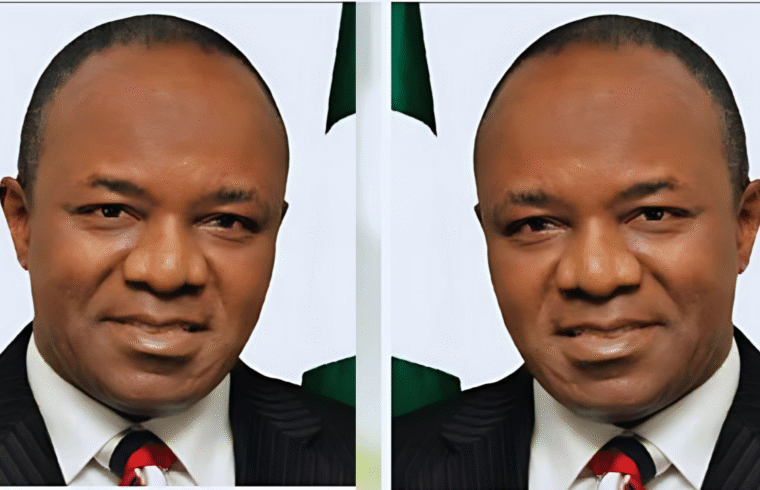
Former Minister of State for Petroleum Resources, Ibe Kachikwu, has shed light on the high-pressure decisions and political risks he faced while addressing Nigeria’s fuel scarcity challenges during his time in office.
The Burden of Endless Fuel Queues
During his tenure, Ibe Kachikwu described the persistent fuel shortages as one of the most difficult challenges he encountered. The situation often left citizens stranded and disrupted daily life across the country.
According to Gossip News Now, the former minister took an active role in managing the crisis, even visiting filling stations personally to ensure distribution flowed smoothly.
Hidden Cause Behind the Crisis
Investigations carried out at the time revealed a major underlying issue—large volumes of subsidised petrol were being diverted خارج Nigeria’s borders. This illegal movement of fuel made it difficult to maintain stable supply within the country.
Despite attempts to collaborate with security agencies, controlling the situation proved difficult due to limitations in enforcement capacity.
Push for Policy Change Meets Resistance
Faced with ongoing shortages, Kachikwu repeatedly proposed adjustments to fuel pricing as a solution. However, former President Muhammadu Buhari was initially reluctant to approve such changes, reportedly prioritizing public sentiment and affordability concerns.
A Defining Moment in Leadership
In a restructured account of the exchange, Ibe Kachikwu revealed that the president eventually allowed him to proceed with the reform—but with clear consequences attached. The decision placed full responsibility on the minister, making it a high-risk move.
Introduction of Price Modulation
Determined to resolve the crisis, Kachikwu introduced a pricing approach that aligned fuel costs with global market realities. This shift effectively removed the burden of subsidies and addressed the imbalance in supply.
Immediate Impact on Fuel Availability
The results were swift and significant. Within a short period, fuel queues that had plagued the nation disappeared, and supply stabilized across various regions. The policy also improved government revenue streams, marking a turning point in the sector.
Reframing the Experience
Looking back, Kachikwu suggested that decisive action, even under pressure, was necessary to resolve the crisis. His experience reflects the complexities of balancing economic reform with political realities.
Commentary and Analysis
The account from Ibe Kachikwu highlights the challenges of implementing reforms in a system influenced by both economic constraints and public expectations. Fuel subsidy removal has long been a sensitive issue in Nigeria, often tied to broader concerns about cost of living.
His experience demonstrates how bold policy decisions can yield immediate results, but also require strong political backing and risk management. It also raises ongoing questions about how best to balance affordability with sustainability in the energy sector.
Looking Ahead
As Nigeria continues to navigate energy reforms, lessons from Kachikwu’s tenure remain relevant. The need for transparency, effective enforcement, and strategic decision-making continues to shape discussions around fuel pricing and supply.
© 2025 Gossip News Now , a division of CHIEJOS HARBIAN DIGITAL MEDIA LTD. Contact us via admin@gossipnewsnow.online