
Nigeria’s construction sector is facing renewed anxiety following a sharp escalation in cement prices across multiple regions of the country, a development analysts say could worsen both housing shortages and overall economic hardship.
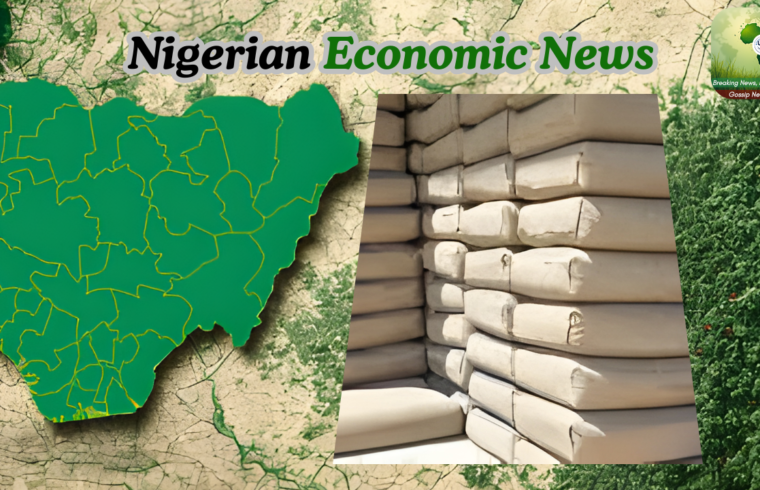
Across retail outlets and building material markets, dealers now confirm that a standard 50kg bag of cement is selling for as high as ₦10,500 in several locations. The adjustment represents a noticeable jump compared to figures recorded barely weeks earlier, signaling another round of inflationary pressure on builders and households.
Industry observations indicate that the upward review occurred within a short period, with prices climbing by roughly ₦1,000 between December 2025 and January 2026. Traders attribute the increase to supply costs, logistics expenses, and market uncertainties affecting distributors nationwide.
Reports gathered from different northern and central states—including Abuja, Nasarawa, and parts of Niger State—suggest that the revised pricing has already taken effect, though final retail prices still vary depending on distance from production plants and transportation challenges.
A Paradox in a Resource-Rich Nation
Many Nigerians have expressed confusion over the situation, given that the country possesses abundant raw materials used in cement manufacturing. Major limestone deposits located in industrial zones such as Obajana in Kogi State and Okpella in Edo State have long positioned Nigeria as one of Africa’s leading cement producers.
Despite this natural advantage, the expected stability in cement pricing has remained elusive. The current surge appears particularly surprising because major manufacturers previously assured authorities and the public that prices would eventually stabilize around ₦7,000 per bag.
Housing Sector Under Pressure
Stakeholders within the real estate industry warn that the consequences may extend far beyond construction sites. Rising cement prices directly influence building costs, which eventually translate into higher rent and property values.
Recent market assessments show rental prices escalating dramatically in urban centers. In some major cities, annual payments for modest self-contained apartments have doubled, moving from roughly ₦400,000 to nearly ₦800,000 within a relatively short timeframe.
With no clear intervention announced by federal authorities, developers fear the housing affordability gap may widen further, placing decent accommodation out of reach for many middle-income Nigerians.
Meanwhile, broader economic indicators continue to reflect mounting pressure. Nigeria’s inflation rate rose to 15.15 percent in December 2025, compared to 14.45 percent the previous month, reinforcing concerns that essential goods and services remain on an upward trajectory.
Developers Raise Alarm Over Economic Consequences
Reacting to the situation, former president of the Real Estate Developers Association of Nigeria (REDAN), Alhaji Aliyu Oroji Wamakko, described the latest price movement as troubling for both investors and workers across the construction ecosystem.
He emphasized that the immediate outcome of higher cement prices would be increased building expenses nationwide, which inevitably leads to rising rents and slowed property development. According to him, businesses operating within the construction value chain may struggle to survive if the trend continues unchecked.
Wamakko also warned that employment opportunities tied to construction activities could shrink as developers postpone or cancel projects due to rising costs.
Earlier Government Engagement and Unmet Expectations
The current situation has revived memories of a previous government intervention when cement prices approached ₦10,000 per bag last year. At that time, leading manufacturers—including Dangote and BUA—were invited for discussions with the Presidency and reportedly agreed to moderate prices.
Industry players had then indicated that efforts would be made to reduce costs closer to ₦7,000 per bag. However, the renewed increase has left observers questioning why those commitments have not translated into sustained price stability.
Wamakko noted that uncertainty now surrounds the market, particularly because authorities have yet to provide a public explanation for the new surge.
Calls for Regulatory Oversight
One of the major criticisms emerging from stakeholders centers on the inactivity of Nigeria’s Price Control Board. According to industry voices, the agency should be actively monitoring sudden price hikes in essential commodities such as cement but appears largely absent from the current debate.
Without effective regulatory supervision, experts argue, manufacturers and distributors operate within a system lacking sufficient price moderation mechanisms.
Factors Driving the Surge
Several structural issues are believed to be contributing to the rising cost of cement:
- Increased infrastructure projects, especially road construction where cement is increasingly preferred over alternative materials
- Exchange rate volatility affecting operational expenses
- Dependence on imported machinery and specialized chemical components required for production
- Logistics and distribution costs across Nigeria’s vast geography
These combined pressures have intensified demand while simultaneously raising production expenses.
Need for Long-Term Industry Reform
Construction stakeholders are now urging policymakers to conduct a comprehensive review of Nigeria’s cement production framework. Analysts believe that only a coordinated strategy involving manufacturers, regulators, and government institutions can deliver lasting price stability.
According to Wamakko, understanding the deeper structural causes behind recurring price hikes remains essential if Nigeria hopes to address its growing housing deficit and protect jobs linked to the building industry.
Commentary & Analysis
The renewed rise in cement prices highlights a broader economic contradiction within Nigeria’s industrial landscape: a country rich in raw materials continues to battle high production costs and market instability. While inflation and foreign exchange pressures partly explain the trend, the absence of clear regulatory intervention has amplified public frustration.
If current patterns persist, developers may slow new housing projects, worsening urban accommodation shortages already affecting cities like Lagos and Abuja. Experts suggest that improved local manufacturing capacity for equipment, stronger competition, and transparent pricing policies could become decisive factors in stabilizing the market.
Ultimately, cement pricing has evolved beyond a construction issue—it now represents a critical indicator of Nigeria’s economic health, urban development prospects, and affordability challenges facing ordinary citizens.
© 2025 Gossip News Now , a division of CHIEJOS HARBIAN DIGITAL MEDIA LTD. Contact us via admin@gossipnewsnow.online