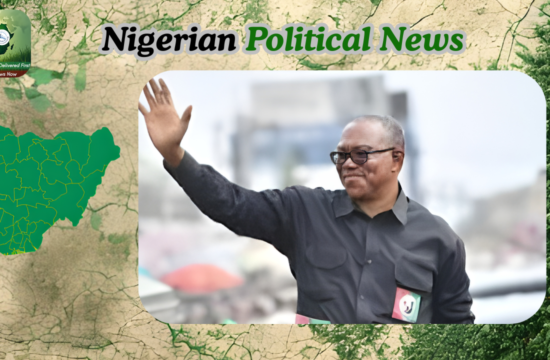

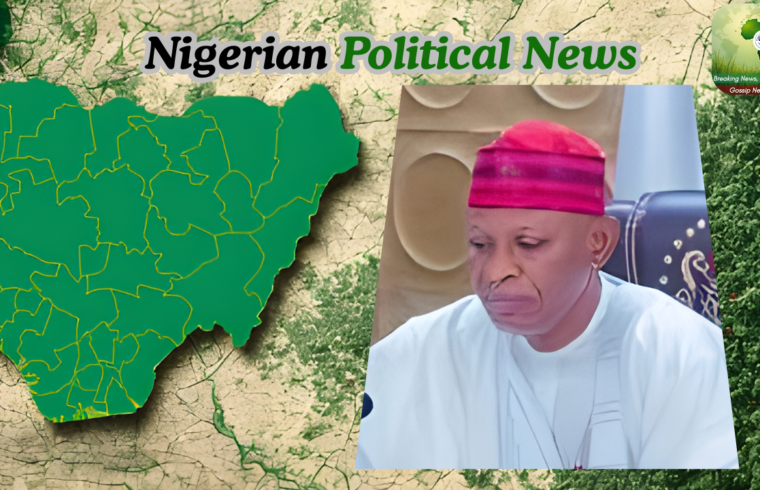
Speculation surrounding a potential political realignment in Kano State has entered a new phase after ongoing negotiations involving Governor Abba Kabir Yusuf and leaders of the All Progressives Congress (APC) reportedly stalled over unresolved conditions tied to the 2027 governorship race.
Political insiders indicate that discussions between the governor’s camp and the ruling party have progressed slowly, largely because the APC leadership has declined requests believed to be central to Yusuf’s proposed move. Among the issues complicating talks is the question of how the party intends to select its future governorship candidate.
Sources familiar with the negotiations suggest that expectations of guaranteed political concessions created friction within APC ranks. Senior figures within the party are said to favour maintaining open primaries rather than granting automatic candidacy to any incoming member, regardless of political stature.
While the governor has continued consultations in Abuja with national stakeholders, APC officials publicly denied reaching any agreement regarding special privileges. Party representatives maintained that membership discussions remain informal and insisted that decisions about future elections would follow established democratic procedures.
Resistance has also reportedly emerged from influential APC leaders in Kano, including figures widely believed to be preparing their own governorship ambitions. Party insiders argue that accommodating one political entrant at the expense of long-standing members could destabilize internal cohesion.
Further complicating the situation are reports that additional political requests—ranging from influence over federal appointments to participation in key nomination decisions—were raised during negotiations. Party sources described these demands as unusually extensive compared with previous defections involving other governors.
Amid the uncertainty, the governor’s deputy, Comrade Aminu Abdussalam Gwarzo, has reportedly expressed firm loyalty to the New Nigeria Peoples Party (NNPP), signaling a possible split within the state executive leadership if a defection eventually occurs. Observers warn that such divergence could trigger political tension within Kano’s governing structure.
Signs that an immediate switch may not be imminent became clearer when Governor Yusuf presided over a State Executive Council meeting while publicly displaying symbols associated with the Kwankwasiyya political movement and the NNPP platform. His appearance reinforced perceptions that negotiations remain unresolved.
The Kwankwasiyya movement, led by former governor Rabiu Musa Kwankwaso, has openly questioned the proposed defection. Although Kwankwaso has acknowledged that future alliances remain possible, he emphasized that any political transition must be guided by clearly negotiated terms protecting supporters and state interests.
Behind the scenes, discussions reportedly involve prominent national actors, with senior party leaders and federal officials monitoring developments closely. Observers say a final decision may ultimately depend on high-level political consensus rather than state-level negotiations alone.
Commentary and Analysis
The Kano situation highlights the complexity of political defections in Nigeria, where negotiations often extend beyond party membership into questions of influence, succession planning, and power balance. Defections are rarely ideological; they typically reflect strategic calculations by both individuals and institutions.
For the APC, balancing inclusiveness with internal fairness presents a delicate challenge. Granting special concessions could attract influential entrants but risks alienating loyal party members preparing for future contests. Conversely, refusing such demands may delay or prevent high-profile defections altogether.
The deputy governor’s reported decision to remain within the NNPP introduces an additional dimension, suggesting that political realignment could reshape alliances within Kano’s leadership structure. Such divisions often carry implications for governance stability as well as electoral strategy.
Ultimately, the prolonged negotiations underscore how Kano remains one of Nigeria’s most politically competitive states. Whether Governor Yusuf eventually crosses party lines or maintains his current affiliation, the unfolding drama signals early positioning ahead of the 2027 elections—where alliances, loyalty, and negotiation power will likely define the outcome.
© 2025 Gossip News Now, a division of CHIEJOS HARBIAN DIGITAL MEDIA LTD. Contact us via admin@gossipnewsnow.online