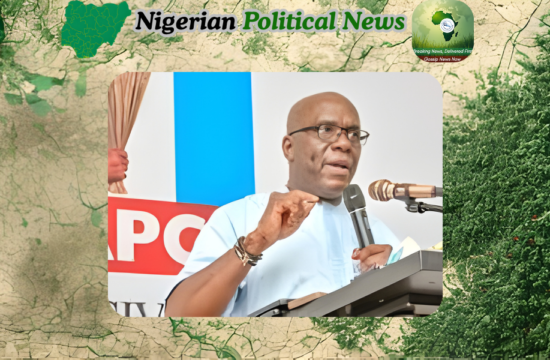

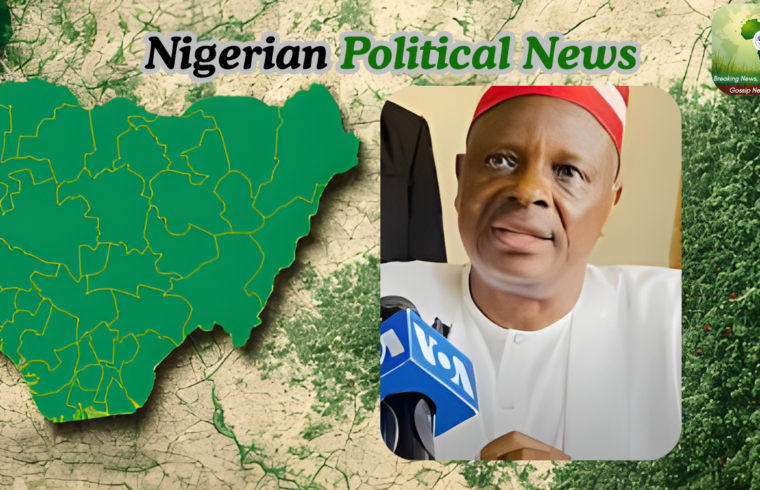
A senior member of the All Progressives Congress (APC), Taofiq Raimi, has criticised reports suggesting that former Kano State governor Rabiu Musa Kwankwaso presented extensive conditions during discussions about a possible political alliance with the ruling party.
Speaking during an appearance on ARISE Television’s Prime Time, Raimi said the alleged requests attributed to the former presidential candidate of the New Nigeria Peoples Party (NNPP) do not align with the structure and internal dynamics of the APC.
According to him, the conditions reportedly put forward by Kwankwaso appear excessive and would be difficult for a large national party to accommodate.
Reports circulating in political circles indicated that the former governor was said to have sought significant concessions as part of negotiations with the ruling party.
Among the demands mentioned were substantial influence over the APC’s national framework, the vice-presidential position, and a future presidential ticket in the 2031 election cycle.
Raimi argued that granting such authority to a single political figure would disrupt the balance within the party.
Why Raimi Says the Demands Are Unacceptable
While addressing the issue, the APC chieftain explained that the party’s structure is designed to represent diverse interests across Nigeria’s political landscape.
He maintained that concentrating large portions of the party’s national influence in the hands of one individual could weaken its democratic framework.
According to him, if one person were allowed to control around one-fifth of the party’s leadership structure, the arrangement could allow a small group of individuals to dominate the entire organisation.
Raimi pointed out that the APC operates across all 36 states and the Federal Capital Territory, with structures extending into hundreds of local government areas.
Because of this nationwide presence, he argued that the party must maintain internal balance rather than granting sweeping control to any single political actor.
Position of the Party on Vice-Presidential Speculation
Raimi also addressed the reported request for the vice-presidential slot, describing it as politically premature.
He emphasized that Vice President Kashim Shettima remains an active partner in the current administration and continues to work closely with President Bola Ahmed Tinubu.
According to Raimi, the partnership between Tinubu and Shettima remains intact and is expected to continue into future political contests, including the anticipated 2027 elections.
For this reason, he suggested that discussions about replacing the current vice president are unrealistic at this stage.
APC Open to Dialogue but With Conditions
Despite his criticism of the alleged demands, Raimi said the ruling party is not opposed to political engagement or dialogue with influential figures.
However, he stressed that any potential collaboration must be based on national interest and collective political goals rather than personal ambitions.
He also praised President Tinubu’s political experience, describing him as a leader capable of navigating complex political alliances.
Key Points From Raimi’s Remarks
During the interview, Raimi outlined several arguments supporting his position:
- The APC’s nationwide structure requires balanced representation across states and regions.
- Granting one individual control over a large portion of the party would weaken internal democracy.
- The reported vice-presidential demand is unrealistic given the current Tinubu–Shettima administration.
- Political partnerships should prioritize national development rather than individual ambitions.
These points, he said, explain why the party cannot accommodate the reported requests.
Commentary and Political Analysis
The debate surrounding Kwankwaso’s alleged negotiations with the APC highlights the complex nature of coalition-building in Nigerian politics.
Political alliances often involve intense bargaining as influential figures seek strategic advantages for themselves and their supporters.
However, major parties must also balance these negotiations with internal stability and fairness among their members.
For the APC, which has an extensive national structure, accommodating sweeping demands from any single political leader could create tension among other stakeholders within the party.
At the same time, figures like Kwankwaso remain significant political players whose influence—especially in northern Nigeria—can shape the outcome of future elections.
As discussions about the 2027 political landscape gradually intensify, negotiations, alliances, and strategic positioning are expected to become even more prominent within Nigeria’s political arena.
© 2025 Gossip News Now, a division of CHIEJOS HARBIAN DIGITAL MEDIA LTD. Contact us via admin@gossipnewsnow.online