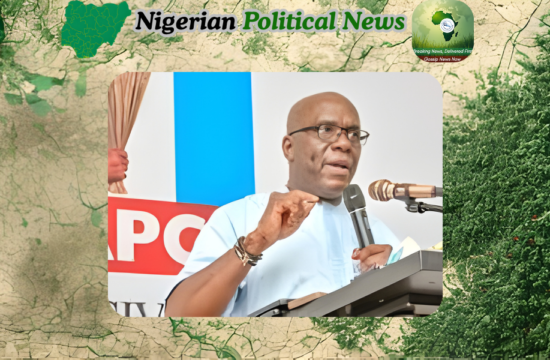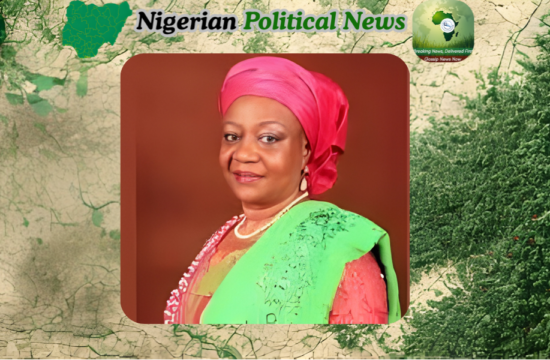


In a revealing account from his new book, Headlines and Soundbites: Media Moments that Defined an Administration, former Minister of Information and Culture, Lai Mohammed, recounts how late President Muhammadu Buhari defended him during a Federal Executive Council (FEC) meeting when criticism arose in his absence.
Mohammed explained that the episode took place while he was in Washington DC for routine biannual meetings with international media organizations and think tanks. While he was away, a fellow minister from the South-West reportedly criticized his performance, claiming the Information Ministry was not effectively showcasing the administration’s accomplishments.
“Those present said he stepped in to defend me, saying I had been doing an excellent job promoting the administration—even from outside the country,” Mohammed wrote. Buhari reportedly noted that he had watched Mohammed’s television appearances and was satisfied with the ministry’s performance.
The book also details another instance involving a petition submitted against Mohammed. When he learned of the complaint, Buhari initially expressed disbelief, remarking, “‘Lai? I don’t believe it!’” Despite this, the President still ordered a full investigation, which ultimately cleared Mohammed of all allegations.
Mohammed recounted navigating a delicate matter involving former President Olusegun Obasanjo’s 2018 open letter, which criticized Buhari and discouraged him from seeking re-election. Initially, Buhari instructed that no response be issued to respect Obasanjo’s military and political stature. However, Mohammed argued that a reply was necessary for the country’s interest, and after discussion, Buhari reluctantly approved a carefully worded official statement. Later, Buhari praised the response after it received widespread commendation.
Another notable anecdote involved a media trip in 2015 to areas recently reclaimed from Boko Haram. Despite logistical and security concerns, Mohammed secured Buhari’s approval for journalists to cover the operation, demonstrating the President’s willingness to empower his team while maintaining oversight.
Reflecting on the challenges of managing the Information Ministry on a tight budget, Mohammed emphasized Buhari’s support: “With the very small budget allocated to the large ministry I managed, implementing projects was extremely difficult… it was Buhari’s special interventions that enabled key initiatives to move forward.”
Throughout his memoir, Mohammed highlights a recurring theme: Buhari’s quiet confidence in his team. The late President delegated responsibilities but trusted his ministers to act with judgment and integrity. “When the late President entrusted a person with responsibility, he also allowed them the autonomy to act, trusting that they understood the weight of their duty,” Mohammed concluded.
Commentary
Mohammed’s recollections paint a picture of Buhari as a leader who valued loyalty, competence, and discretion. Even amid criticism or bureaucratic hurdles, the President reportedly prioritized thorough review and accountability while providing support to trusted officials. Analysts note that such examples may explain the resilience of his administration in maintaining cohesion and navigating internal disputes.
© 2025 Gossip News Now , a division of CHIEJOS HARBIAN DIGITAL MEDIA LTD. Contact us via admin@gossipnewsnow.online