

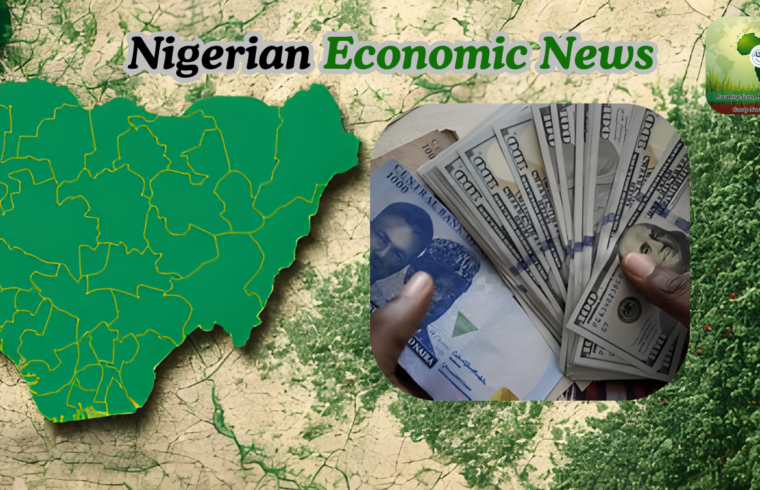
The value of the Nigerian naira against the United States dollar continues to attract close attention from businesses, investors, and individuals across the country. Currency fluctuations have remained a key economic indicator, influencing trade, import costs, and personal financial planning.
In Nigeria’s foreign exchange environment, two major markets often determine the exchange rate seen by the public: the official window regulated by the Central Bank of Nigeria and the widely known informal market commonly referred to as the “black market” or parallel forex market.
Parallel Market Trading Activity
Currency traders operating outside the formal banking system continue to provide foreign exchange through the informal market. This market is often patronised by individuals and small businesses that cannot easily access dollars through the official financial channels.
Information gathered from Bureau De Change operators in Lagos indicates that, as of late December 2025, the dollar trades within a narrow band in the parallel market.
Typical rates observed among traders include:
- Approximate selling price: ₦1,475 for $1
- Approximate buying price: ₦1,467 for $1
These values represent the price range at which traders exchange dollars with customers, though the exact amount may differ slightly depending on negotiation, supply, and location.
Official Exchange Window
Unlike the informal market, the official forex system is managed by the Central Bank through licensed financial institutions.
The apex bank has repeatedly advised Nigerians to avoid unofficial currency markets and instead carry out forex transactions through regulated commercial banks and authorised dealers.
Based on data released through official channels, the dollar–naira rate in the regulated market currently falls within the following bracket:
- Upper trading range: about ₦1,455 per dollar
- Lower trading range: roughly ₦1,435 per dollar
These figures reflect transactions occurring through the formal banking system.
Why Rates Often Differ
The gap between the official and parallel market exchange rates is a recurring feature of Nigeria’s foreign exchange system.
Differences typically arise due to varying levels of supply, market demand, and access to foreign currency. Individuals unable to obtain dollars from banks sometimes turn to the informal market, which can push prices higher.
Important Advisory for Forex Users
Anyone planning to exchange currency should keep in mind that foreign exchange values can change rapidly. Rates quoted in reports often serve only as general market indicators.
Actual transactions may differ depending on several factors, including:
- Location of the transaction
- Dealer margin or commission
- Real-time demand for foreign currency
Commentary and Analysis
The continued attention on dollar–naira exchange rates reflects the broader economic pressures facing Nigeria’s financial system. Businesses that rely on imports are particularly sensitive to currency movements because higher exchange rates increase operational costs.
At the same time, the presence of an active parallel market highlights ongoing challenges in the country’s foreign exchange supply structure. While the Central Bank maintains the official trading window, many individuals still rely on informal markets due to accessibility and speed.
Economic analysts note that narrowing the gap between official and parallel market rates remains one of the key indicators of stability in Nigeria’s currency market.
As reforms and monetary policies continue to evolve, the performance of the naira will likely remain a major focus for policymakers, investors, and the wider public.
© 2025 Gossip News Now, a division of CHIEJOS HARBIAN DIGITAL MEDIA LTD. Contact us via admin@gossipnewsnow.online