
Nigeria’s foreign exchange market continues to attract public attention as fluctuations between the official and unofficial currency markets shape daily economic realities for businesses and individuals seeking access to dollars.
While banks operate under regulated exchange policies supervised by monetary authorities, many Nigerians still monitor the parallel market — popularly known as the black market — where foreign currencies are traded outside the formal banking framework. This segment often reflects real-time demand pressures influencing currency valuation across the country.
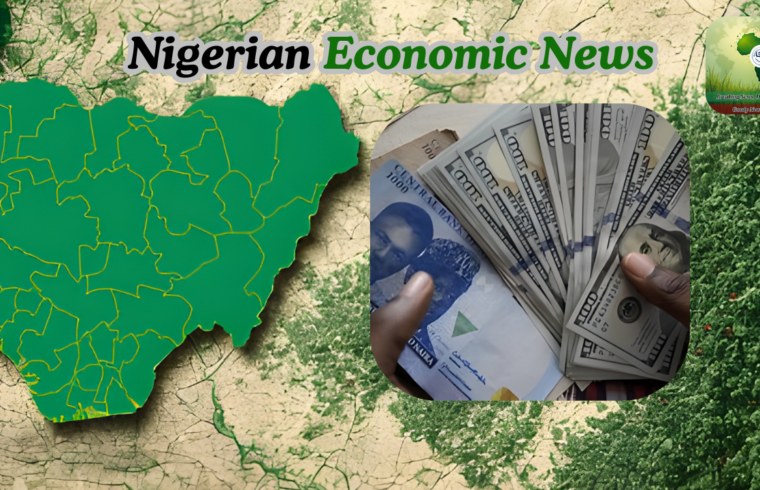
Recent observations from currency traders indicate that the United States dollar maintained strong value against the naira in street trading hubs, particularly in Lagos, Nigeria’s commercial capital. Bureau De Change operators confirmed that market participants exchanged the dollar at rates significantly higher than those available through official channels.
In practical terms, dealers reported that the greenback exchanged around ₦1,500 when sold to buyers, while purchase offers from traders hovered close to ₦1,480 per dollar. The difference between buying and selling prices represents the margin through which operators manage liquidity risks and market uncertainty.
Parallel Market Versus Official Window
Despite widespread reliance on the informal market, the Central Bank of Nigeria (CBN) has repeatedly discouraged citizens from conducting foreign exchange transactions outside licensed institutions. The apex bank maintains that regulated commercial banks remain the approved avenue for accessing foreign currency.
Data released within the official foreign exchange window shows a noticeably lower valuation of the naira compared with the parallel market figures. According to central bank records, the dollar traded within a narrow band slightly above ₦1,419 and below ₦1,421 during the same period.
This persistent gap between official and unofficial rates continues to highlight structural pressures in Nigeria’s forex supply system, where demand frequently outpaces available liquidity.
Understanding Daily Rate Differences
Exchange values are rarely uniform across the country. Several market forces influence the figures quoted by dealers, including:
- Regional demand for foreign currency transactions
- Availability of dollar supply within trading locations
- Import payment requirements and travel-related forex needs
- Market speculation driven by inflation expectations
Because of these variables, Nigerians may encounter slightly different exchange prices depending on city, transaction volume, or negotiation conditions.
Why Many Still Watch the Black Market
For many small businesses, importers, and individuals funding overseas obligations, access limitations within the official system make the parallel market a practical alternative despite regulatory warnings. The informal market therefore acts as a real-time indicator of currency scarcity and investor confidence.
Analysts argue that movements in the Aboki FX space often influence public perception of economic stability more quickly than official monetary data.
Commentary & Economic Analysis
The sustained divergence between official and parallel exchange rates underscores deeper macroeconomic challenges facing Nigeria’s currency management strategy. When access to foreign exchange becomes constrained, market participants naturally migrate toward alternative trading channels, strengthening the unofficial market’s influence.
Economists suggest that narrowing the gap between both markets may require increased forex supply, stronger export earnings, and policies that boost investor confidence. Without such measures, volatility in exchange rates may continue to affect inflation, import costs, and purchasing power nationwide.
Ultimately, daily dollar-to-naira movements are no longer just financial statistics; they have become a central factor shaping household expenses, business planning, and broader economic expectations across Nigeria.
© 2025 Gossip News Now , a division of CHIEJOS HARBIAN DIGITAL MEDIA LTD. Contact us via admin@gossipnewsnow.online