
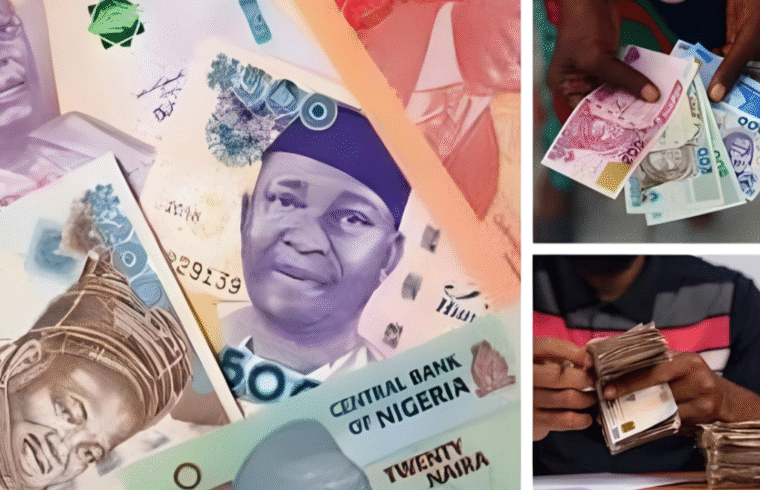
The value of the United States Dollar against the Nigerian Naira continues to attract attention from traders, businesses, and individuals across the country. Exchange rate movements often influence the cost of imports, travel expenses, and various financial transactions within Nigeria’s economy.
According to information gathered from operators in the Parallel Foreign Exchange Market, commonly known as the Aboki FX market, the dollar maintained a strong position against the naira in Lagos trading hubs.
Parallel Market (BDC) Dollar–Naira Rates
Reports from several Bureau De Change dealers in Lagos indicate that the dollar is being traded at the following approximate rates:
-
₦1,467 per dollar – selling rate
-
₦1,460 per dollar – buying rate
These figures represent the average prices observed among currency traders, though actual rates may differ slightly depending on the location of the exchange outlet and transaction volume.
However, Nigeria’s apex financial regulator, the Central Bank of Nigeria, maintains that transactions conducted in the unofficial currency market are not recognized under its regulatory framework. The bank consistently encourages individuals and businesses to carry out their foreign exchange dealings through licensed financial institutions.
Official CBN Exchange Rate Range
At the official window monitored by the central bank, the dollar traded within a narrower range compared with the parallel market. Available data shows that the currency moved between:
-
₦1,445 per dollar at the lower end
-
₦1,449 per dollar at the upper end
The difference between official and parallel market rates continues to reflect supply dynamics and demand pressure in Nigeria’s foreign exchange market.
Important Notice for Forex Users
Currency traders and the general public should note that exchange rates in Nigeria can change frequently throughout the day. Factors such as market demand, global currency trends, and liquidity levels may cause slight variations from one bureau or bank to another.
Commentary and Analysis
Foreign exchange trends remain a key indicator of economic stability in Nigeria. The gap between the official rate and the parallel market has historically been influenced by limited forex supply and strong demand for imports and international payments.
While reforms by monetary authorities aim to stabilize the market, many individuals still rely on the parallel market due to accessibility and quicker transactions. Analysts suggest that improving forex liquidity and strengthening official channels could gradually reduce reliance on unofficial currency trading platforms.
As the naira continues to navigate economic pressures, exchange rate monitoring will remain an important aspect of Nigeria’s financial landscape.
© 2025 Gossip News Now , a division of CHIEJOS HARBIAN DIGITAL MEDIA LTD. Contact us via admin@gossipnewsnow.online