
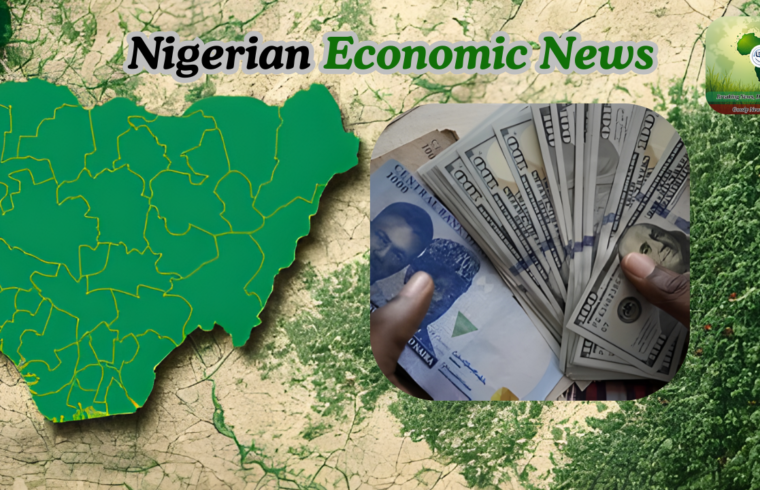
Nigeria’s foreign exchange market recorded another day of fluctuating values as the naira continued to trade differently across official and unofficial currency channels, reflecting ongoing demand pressures within the economy.
Market observers noted that activity remained strongest within the parallel market, commonly referred to as the black market or Aboki FX space, where individuals often turn when access to foreign currency through formal banking channels becomes limited.
Parallel Market Dollar Rates
Currency traders operating within Lagos Bureau De Change circles indicated that the United States dollar exchanged within a narrow band during midweek transactions. Dealers reported that the greenback attracted strong demand, influencing pricing dynamics throughout the day.
Rather than presenting the figures in their original order, the current parallel market indicators showed:
- Approximate selling value: ₦1390 per dollar
- Estimated buying value: ₦1370 per dollar
These figures represent average street-level transactions and may vary slightly depending on location, transaction size, and negotiation conditions between buyers and sellers.
Position of the Central Bank
The Central Bank of Nigeria (CBN) continues to distance itself from the parallel market, maintaining that official foreign exchange dealings should occur through licensed financial institutions. The apex bank has repeatedly advised individuals and businesses to access forex through authorized banks rather than informal trading networks.
Official Market Window
Within the regulated market framework, the naira traded at relatively lower levels compared with the street market. Data from official channels suggested the currency moved within a controlled range influenced by monetary policy interventions and supply management.
Recent official benchmarks indicated:
- Highest recorded rate: ₦1361 per dollar
- Lowest observed rate: ₦1353 per dollar
Analysts explain that the gap between both markets reflects persistent forex demand pressures, liquidity constraints, and speculative trading behaviour.
Why Exchange Rates Differ
Currency values often fluctuate across Nigeria’s multiple forex windows due to several factors, including:
- Variations in foreign currency availability
- Import demand and international payments
- Market speculation and investor sentiment
- Regulatory controls within official trading systems
Because of these influences, the exact rate available to individuals may differ slightly from quoted averages at any given time.
Commentary & Analysis
The continued divergence between official and parallel exchange rates highlights structural challenges within Nigeria’s foreign exchange ecosystem. While official policies aim to stabilize the naira and encourage transparent transactions, limited supply frequently pushes businesses and individuals toward alternative markets.
Economic analysts suggest that narrowing the gap between both markets remains crucial for long-term currency stability. Increased dollar inflows, stronger export earnings, and improved investor confidence are often cited as key factors capable of reducing reliance on informal exchange channels.
For everyday Nigerians, exchange rate movements directly affect purchasing power, import costs, travel expenses, and inflation levels. As a result, even minor shifts in dollar pricing tend to generate widespread economic attention.
Market watchers will continue monitoring policy actions and global economic trends to determine whether the naira can achieve sustained stability in the coming months.
© 2025 Gossip News Now, a division of CHIEJOS HARBIAN DIGITAL MEDIA LTD. Contact us via admin@gossipnewsnow.online