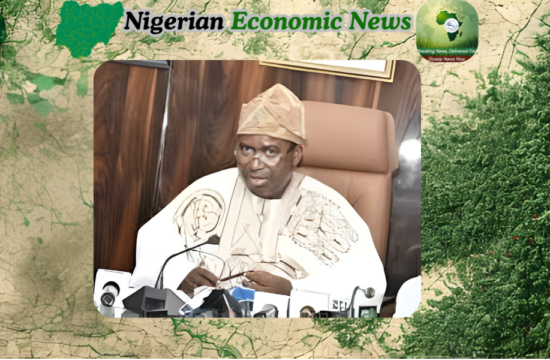


Optimism is building within policy circles following the emergence of Oritsemeyiwa Eyesan as Chief Executive of the Nigerian Upstream Petroleum Regulatory Commission (NUPRC). The Centre for Energy Reforms (CER) has described her appointment as a timely intervention that could steady Nigeria’s oil production trajectory and rekindle investor trust.
In a statement issued by its Executive Director, Dr. Michael Bulus, the Centre argued that the upstream petroleum segment requires stable and visionary leadership to fully unlock the promises embedded in the Petroleum Industry Act (PIA). According to him, regulatory clarity and consistent oversight remain essential ingredients for attracting capital and reversing production volatility.
A Career Built on Sector Depth
Eyesan’s professional history, spanning over three decades, has reportedly covered regulatory governance, commercial negotiations, and strategic planning. CER believes this blend of experience positions her not only as an administrator but as a reform-oriented leader capable of aligning policy with market realities.
Bulus emphasised that implementing the PIA effectively demands both institutional memory and technical precision — qualities he said the new chief executive possesses. He described her as someone who understands how transparent regulation can simultaneously protect national interests and stimulate sector growth.
In one part of the statement, the Centre highlighted her ability to combine “industry insight, technical competence, and strategic direction,” arguing that such a mix is critical for modern regulatory systems.
The Stakes for Nigeria’s Economy
Nigeria’s upstream petroleum industry remains a backbone of fiscal revenue and foreign exchange earnings. Yet, it continues to grapple with declining crude output, infrastructure shortfalls, capital flight, and the mounting pressures of global energy transition policies. CER contends that addressing these structural constraints requires leadership that appreciates both investor expectations and domestic policy objectives.
Among the pressing priorities identified by the group are:
- Rebuilding confidence among international and local investors
- Accelerating gas development initiatives
- Stabilising crude production levels
- Closing infrastructure and regulatory efficiency gaps
The Centre argued that Eyesan’s track record suggests she is well positioned to manage these competing demands while fostering collaboration among stakeholders.
Reform Through Efficiency and Technology
A notable element of her early agenda, according to CER, is a commitment to digitisation and operational streamlining within the NUPRC. Historically, bureaucratic delays and opaque processes have undermined investor confidence. The Centre believes that stronger data systems and reduced bottlenecks could improve Nigeria’s competitiveness relative to peer oil-producing nations.
Bulus observed that a results-driven regulatory model would not only enhance transparency but also accelerate licensing, monitoring, and compliance procedures.
Building Institutional Capacity
Beyond policy shifts, CER underscored the importance of strengthening the regulator’s internal workforce. It maintained that effective governance depends as much on staff capability as on legislative frameworks. Continuous training, improved coordination, and technical upskilling were described as vital to enforcing standards and resolving disputes efficiently.
The Centre also called on operators, civil society groups, and host communities to support the new leadership, noting that sustainable reform cannot succeed without collective participation.
Commentary and Sector Outlook
Eyesan’s appointment comes at a defining period for Nigeria’s energy future. With the PIA still in its formative implementation stage, regulatory credibility will likely determine whether promised reforms translate into tangible investment inflows.
Industry observers suggest that if NUPRC succeeds in modernising its processes and promoting fairness, Nigeria could regain lost ground in global upstream competitiveness. However, delivering measurable production gains and improved transparency will require sustained commitment beyond rhetoric.
For now, CER’s endorsement signals cautious optimism. The coming months will test whether this leadership transition becomes a catalyst for renewed stability in Nigeria’s upstream petroleum landscape.
© 2025 Gossip News Now, a division of CHIEJOS HARBIAN DIGITAL MEDIA LTD. Contact us via admin@gossipnewsnow.online