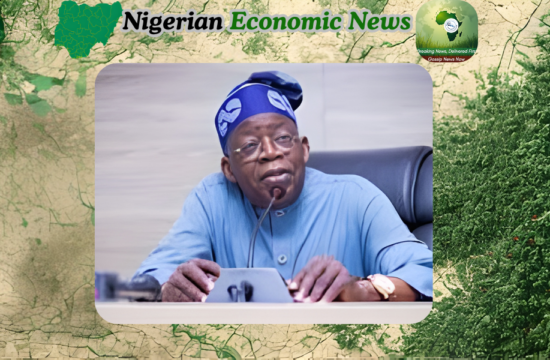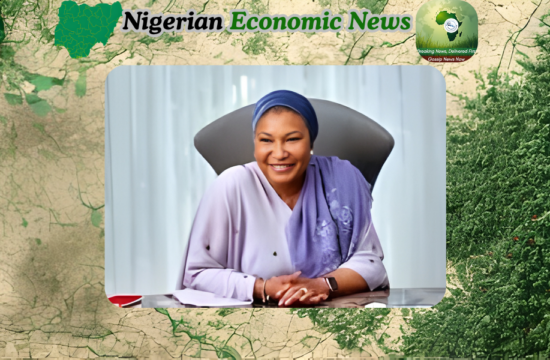

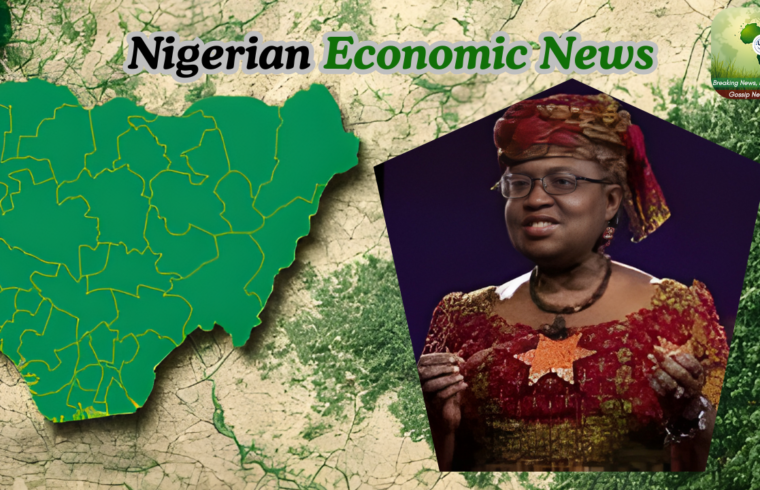
Nigeria has been advised to reposition its economy to benefit from changing global production patterns, as multinational companies increasingly rethink where they manufacture goods and source materials. According to the Director-General of the World Trade Organization, Ngozi Okonjo-Iweala, the country must actively compete for investors seeking alternatives to traditional manufacturing hubs.
Speaking during a high-level session on financing digital trade and infrastructure development at Nigeria House alongside discussions connected to the World Economic Forum, she explained that global economic tensions are reshaping investment decisions worldwide. Companies are no longer comfortable concentrating production in a single country, prompting a search for new destinations.
Global Realignment Creates Opportunity
The shift commonly referred to as the “China+1” approach reflects how firms are diversifying operations beyond China while still maintaining ties with Asian supply networks. Rising tariffs, trade disputes, and geopolitical uncertainty have accelerated this trend.
Okonjo-Iweala noted that although many manufacturers are relocating, most movements currently remain within Asia. Countries such as India and several Southeast Asian economies are already capturing significant portions of new investments. She argued that Nigeria must deliberately position itself to secure a share rather than watch opportunities pass by.
From Economic Stability to Employment Expansion
Nigeria’s recent economic adjustments were acknowledged as necessary steps toward stabilisation, but the WTO chief stressed that reforms must now produce visible employment outcomes. She suggested that policy success should ultimately be measured by job creation, industrial growth, and improved domestic production capacity.
Rather than expecting immediate transformation, she explained that progress requires consistent planning and identification of sectors where Nigeria holds competitive advantages. Mapping investment opportunities, she said, is essential for turning reforms into tangible economic benefits.
Strategy for Attracting Foreign Investors
According to Okonjo-Iweala, attracting global capital will require a proactive outreach strategy. Nigeria should not wait for investors to arrive but instead pursue partnerships across major economic blocs.
Key actions highlighted during the discussion included:
- Promoting Nigeria’s investment potential through coordinated global engagement
- Targeting investors from diverse markets such as Asia, North America, and Europe
- Strengthening policies that encourage foreign direct investment
- Demonstrating long-term policy consistency to build investor confidence
She maintained that showcasing Nigeria as a reliable and competitive destination would be central to drawing relocating supply chains.
Priority Industries for Local Manufacturing
The WTO Director-General also pointed to sectors capable of reducing imports while expanding domestic production. Instead of depending heavily on foreign goods, Nigeria could leverage industrialisation in areas where demand already exists.
Among the industries identified were renewable energy manufacturing, textile and fashion production, and pharmaceutical development. Local assembly of solar technology, revitalisation of textile manufacturing, and expansion of drug production were cited as examples of industries capable of generating employment while strengthening economic resilience.
Government and Financial Institutions Align on Investment Push
Other speakers reinforced the message that investment attraction remains a national priority. The Managing Director of the Bank of Industry, Oludapo Olusi, participated in the session, highlighting financing mechanisms aimed at supporting industrial expansion.
Meanwhile, Nigeria’s Minister of Finance and Coordinating Minister of the Economy, Wale Edun, emphasised the importance of fiscal discipline and macroeconomic stability as essential foundations for attracting long-term investors. Maintaining economic credibility, he suggested, remains critical to sustaining industrial growth ambitions.
Commentary and Analysis: Why the China+1 Moment Matters for Nigeria
The global restructuring of supply chains represents one of the most significant economic opportunities for emerging economies in decades. For Nigeria, the challenge lies not only in attracting investors but in creating the infrastructure, power supply, regulatory certainty, and skilled workforce required to compete with established manufacturing destinations.
While Asia currently dominates relocation flows, Africa’s largest economy possesses advantages such as a large domestic market, youthful population, and strategic geographic position linking African and global trade routes. However, without deliberate execution, these advantages may remain untapped.
If Nigeria successfully aligns industrial policy, investment incentives, and infrastructure development, the country could transition from an import-dependent economy to a production-driven one. Failure to act swiftly may allow competing economies to consolidate their lead in capturing the ongoing supply chain transformation.
The message from Okonjo-Iweala ultimately highlights a turning point: economic reforms alone are insufficient unless they translate into factories, jobs, and locally produced goods that strengthen national prosperity.
© 2025 Gossip News Now , a division of CHIEJOS HARBIAN DIGITAL MEDIA LTD. Contact us via admin@gossipnewsnow.online