

Nigeria has recorded a significant global financial milestone after being officially removed from the Financial Action Task Force (FATF) grey list. The development marks a major step forward in strengthening the country’s credibility in combating financial crimes and improving transparency.
The announcement, made during a high-level plenary session in Paris, reflects international recognition of Nigeria’s efforts to overhaul its financial systems. After months of scrutiny, the country was acknowledged for meeting all the conditions outlined in its reform roadmap.
According to Gossip News Now, Nigeria’s removal from the grey list signals renewed confidence in its financial institutions. The progress achieved has been attributed to coordinated efforts across multiple agencies working to address long-standing gaps in oversight and enforcement.
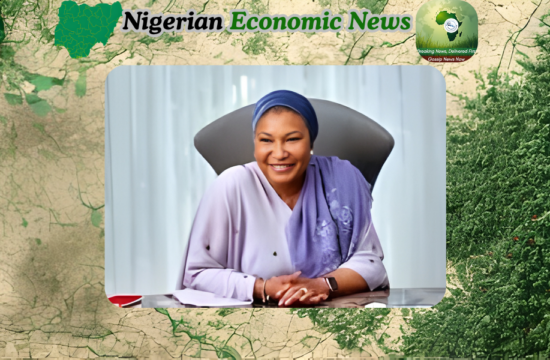
Speaking at the event, Wale Edun, Nigeria’s Coordinating Minister of the Economy, described the achievement as more than just compliance. He emphasized that the reforms were designed not only to meet global standards but to build a stronger and more resilient financial system.
Interestingly, Wale Edun highlighted that Nigeria’s ambition extended beyond merely fulfilling requirements. He noted that the reforms were intended to serve as a foundation for long-term institutional strength, rather than a temporary solution to international scrutiny.
Several key actions contributed to this breakthrough. These include:
- introduction of updated laws targeting financial crimes and illicit funding
- creation of systems to improve transparency in corporate ownership
- tighter monitoring of financial institutions and non-financial sectors
- improved cooperation between agencies such as the NFIU and EFCC
These measures collectively enhanced Nigeria’s compliance rating and demonstrated a stronger commitment to tackling money laundering and terrorism financing.
The journey to this point began when Nigeria was placed on the grey list in 2023 due to identified weaknesses in its regulatory framework. Since then, sustained reforms and policy adjustments have helped the country transition from partial compliance to a more robust standing.
Experts believe that this achievement will have far-reaching economic implications. Improved global perception is expected to ease cross-border transactions, attract foreign investment, and strengthen Nigeria’s position in international financial markets.
Beyond the economic benefits, the development also reflects a broader commitment to accountability and governance. Aligning with global standards has not only enhanced credibility but also created a framework for continued progress.
Analysis and Commentary
Nigeria’s exit from the FATF grey list represents a critical turning point in its financial reform journey. It demonstrates how sustained policy efforts and institutional coordination can produce measurable results on the global stage.
However, maintaining this progress will be just as important as achieving it. Continuous monitoring, enforcement, and policy refinement will be necessary to prevent regression and ensure long-term stability.
Ultimately, this milestone positions Nigeria for greater economic opportunities, but its success will depend on how well the reforms are sustained and integrated into everyday governance practices.
© 2025 Gossip News Now, a division of CHIEJOS HARBIAN DIGITAL MEDIA LTD. Contact us via admin@gossipnewsnow.online