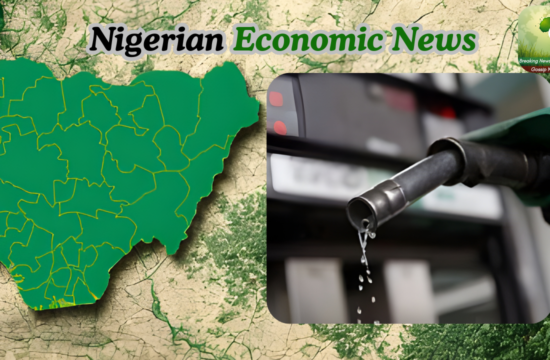

Nigeria’s fuel market has taken a new turn as the Federal Government reopens the door for petrol imports, reversing an earlier restriction that had been in place to promote local refining. The shift comes at a time when global tensions are influencing supply chains, raising fresh concerns about energy security and domestic pricing.
The move follows growing uncertainty tied to the ongoing crisis in the Middle East, which has begun to disrupt supply expectations. Authorities, responding to the potential shortfall, approved fresh import licences for selected oil marketers to ensure stability in the availability of Premium Motor Spirit (PMS) across the country.
Gossip News Now reports that regulators approved the importation of roughly 180,000 metric tonnes of petrol, signaling a strategic adjustment rather than a complete abandonment of local refining ambitions. The intervention is aimed at cushioning the market from sudden shortages that could further drive up fuel prices nationwide.
Licensed Marketers Step In to Fill Supply Gap
To address the looming deficit, six companies were granted approval to bring in additional fuel supplies. These include Bono Energy, Pinnacle, AYM Shafa, Matrix, A.A. Rano, and Nipco. Each of these firms is expected to import significant volumes, collectively contributing over 240 million litres of petrol into the domestic market.
Rather than flooding the system, the controlled issuance of licences reflects a cautious approach. Authorities appear to be balancing two priorities—maintaining supply while still encouraging the growth of local refining capacity.
Policy Reversal After Confidence in Local Production
Only weeks before this development, officials had expressed confidence in Nigeria’s ability to meet its fuel needs through domestic refining. At the time, local production figures significantly outweighed imports, reinforcing the belief that the country was on track toward self-sufficiency.
However, unforeseen global disruptions altered that outlook. The reintroduction of import licences highlights how external geopolitical factors can quickly reshape national energy strategies, even when local capacity shows improvement.
Industry stakeholders have also emphasized that imports, though reduced, remain a critical backup. Market analysts suggest that a hybrid system—combining domestic refining with selective imports—may be necessary to prevent volatility.
Industry Insight: Balancing Stability and Independence
Energy experts argue that maintaining a steady fuel supply is essential for economic stability. Jeremiah Olatide, CEO of Petroleumprice.ng, noted that while local refining continues to dominate, strategic imports are required to prevent market shocks.
He explained in essence that a complete halt in imports could expose the country to risks, especially during global crises. The current approach, therefore, reflects a calculated balance between independence and resilience.
Dangote Refinery Raises Forex Concerns
Meanwhile, developments within the Dangote Petroleum Refinery have added another layer of complexity. A senior official revealed that the refinery is facing foreign exchange losses tied to the existing naira-for-crude arrangement.
The concern stems from a mismatch: the refinery reportedly supplies more refined products to the local market than the crude oil it receives under the agreement. This imbalance limits its ability to benefit from foreign exchange earnings that would have been possible through exports.
In a broader sense, the refinery is advocating for improved crude supply allocation, aligning with provisions of the Petroleum Industry Act. The objective is to prioritize domestic value addition rather than exporting raw crude, which offers less economic benefit.
Commentary and Analysis
This latest policy adjustment underscores a key reality—Nigeria’s journey toward energy independence remains a work in progress. While local refining capacity is improving, it has yet to reach a level where imports can be completely eliminated without risk.
The government’s decision reflects pragmatism rather than inconsistency. By allowing controlled imports, authorities are safeguarding the economy from supply shocks while still supporting long-term goals of self-sufficiency.
At the same time, the concerns raised by the Dangote Refinery highlight structural challenges within the system. Addressing these issues will be crucial if Nigeria hopes to fully maximize its refining potential and reduce dependency on external markets.
Ultimately, the current situation reveals a delicate balancing act—one that involves managing global uncertainties, supporting domestic investments, and ensuring that consumers are not burdened by extreme price fluctuations.
© 2025 Gossip News Now , a division of CHIEJOS HARBIAN DIGITAL MEDIA LTD. Contact us via admin@gossipnewsnow.online