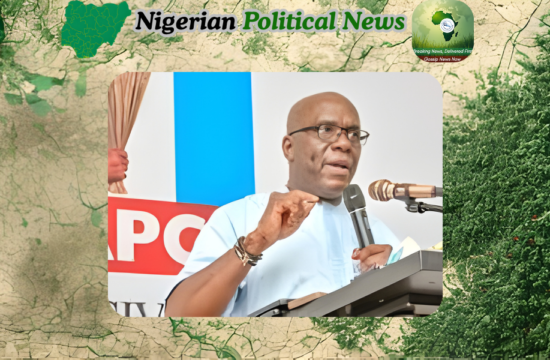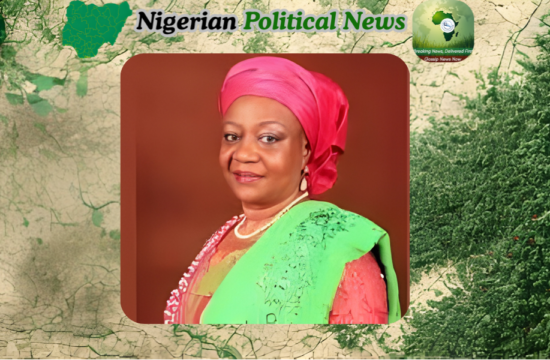


Former President Olusegun Obasanjo recently explained the rationale behind his and former President Goodluck Jonathan’s opposition to Aminu Waziri Tambuwal’s election as Speaker of the House of Representatives in 2011. Speaking during a leadership colloquium celebrating Tambuwal’s 60th birthday, Obasanjo revealed that their resistance was motivated by strategic party interests and a desire to uphold gender representation in the legislature.
At the time, the Peoples Democratic Party (PDP) had endorsed Mulikat Akande-Adeola, a South-Western lawmaker, as the preferred candidate, highlighting the party’s commitment to supporting female leadership. Obasanjo noted, “Our belief was that since a woman had, for the first time, risen to the position of Speaker, she deserved support to continue in that role.”
Despite the PDP leadership’s preference, Tambuwal, then a two-term lawmaker from the North-West and former Deputy Chief Whip, won decisively with 252 votes against Akande-Adeola’s 90, demonstrating the independence of the legislature. Obasanjo acknowledged this outcome, stating that the lawmakers’ insistence on their choice underscored parliamentary autonomy: “But your members had a different view, and you all made your choice. We eventually supported your decision.”
Tambuwal’s Leadership and Humility
Obasanjo praised Tambuwal’s humility as a defining characteristic of his leadership. “One thing I recognised in you was humility. Greatness without humility is empty. Your greatness is genuine,” he said, emphasizing that effective leadership requires modesty alongside competence.
Tambuwal’s rise was bolstered by support from the then–Action Congress of Nigeria (ACN), led by Bola Tinubu, marking one of the rare occasions in the Fourth Republic when the legislature openly diverged from the executive’s preference.
Former President Jonathan, joining virtually, affirmed the account and reflected on his administration’s differing views with the House during Tambuwal’s term. He stated, “When he was Speaker, I was President, and we certainly had our differences. But I must acknowledge that the House had immense confidence in him. He kept the House united, and I respected that leadership quality—even during disagreements.”
Former Senate President David Mark recalled how lawmakers approached him prior to the election, saying, “They met me and said, ‘Sir, whether you like it or not, you are adopting us as your sons.’” He admitted defying party pressure to ensure the legislature’s independent decision.
Other political figures also weighed in. Former Vice President Atiku Abubakar described Tambuwal as a leader with a promising trajectory, while former Osun Governor Peter Obi lauded his ability to unify diverse factions. Former Edo State Governor Adams Oshiomhole commended his skill in managing a politically fragmented House. Meanwhile, Akande-Adeola clarified that she bore no resentment toward Tambuwal, stating, “Only what God permits will happen. Tambuwal has served as Speaker and as a leader. There is no bitterness between us.”
Tambuwal’s Message on Nigeria’s Future
In his own address, Tambuwal urged Nigerians to recognize the nation’s critical turning point, warning against leadership selection based on personal ambition, ethnic loyalty, or partisan interests. He emphasized that mismanagement and unqualified leadership erode institutions and democracy. Tambuwal insisted that genuine progress requires Nigerians to confront systemic problems and commit to meaningful reform, stressing that the country’s path forward depends on collective responsibility and sincere governance.
Commentary: This retrospective underscores the tension between executive preference and legislative independence in Nigeria’s political system. Tambuwal’s trajectory, from defying the PDP’s endorsed candidate to becoming a state governor and senator, illustrates how parliamentary autonomy can shape political careers. Additionally, the discourse on humility and leadership ethics highlights an ongoing conversation about governance standards in Nigeria.
© 2025 Gossip News Now , a division of CHIEJOS HARBIAN DIGITAL MEDIA LTD. Contact us via admin@gossipnewsnow.online