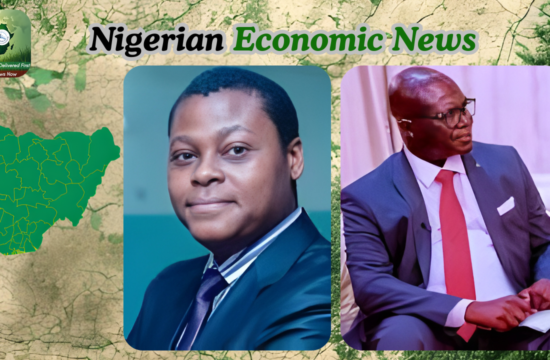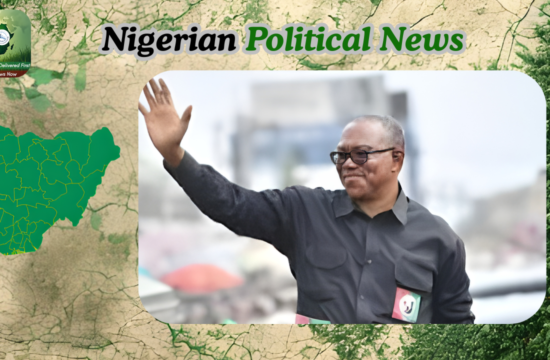

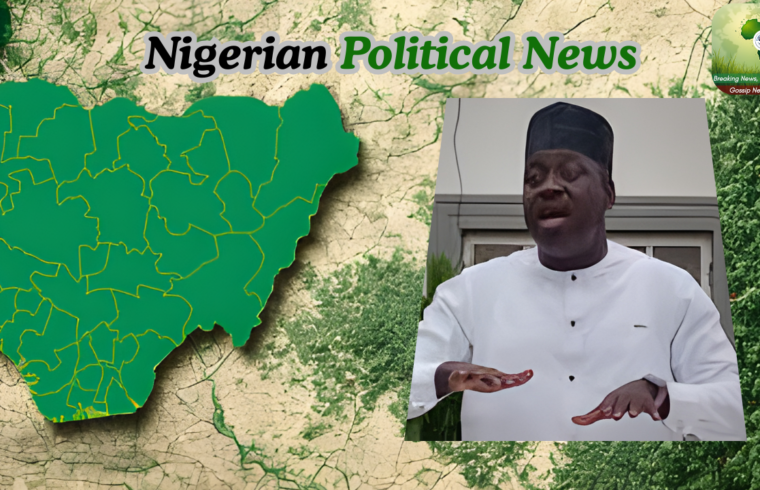
Nigeria’s evolving political landscape has once again stirred debate following renewed discussions surrounding a possible collaboration between prominent opposition figures ahead of future elections. While conversations linking former Kano State governor, Rabiu Musa Kwankwaso, and Labour Party presidential flag bearer in the 2023 elections, Peter Obi, continue to gain attention, the African Democratic Congress (ADC) insists that no formal political alignment has been sealed under its platform.
According to the party’s National Publicity Secretary, Bolaji Abdullahi, consultations among politicians across party lines are not unusual within Nigeria’s democratic environment. He explained that political actors frequently explore strategic partnerships long before official party decisions are taken, stressing that such engagements should not automatically be interpreted as finalized agreements.
Speaking during a media interaction, Abdullahi clarified that although the ADC remains receptive to new entrants, Kwankwaso is not currently a registered member of the party. He noted that the ADC leadership has not coordinated or supervised any negotiations involving a proposed joint ticket between the two political heavyweights.
The spokesperson emphasized that both Obi and Kwankwaso possess strong political appeal and nationwide recognition, qualities that make them attractive figures within coalition conversations. However, he reiterated that any discussions presently taking place are occurring independently of the party’s formal structures.
Signals From Kwankwaso’s Political Circle
Contrary to the ADC’s cautious stance, indications emerging from Kwankwaso’s political allies suggest that behind-the-scenes engagements are already progressing. Magaji Ibrahim (SAN), a senior figure in the New Nigeria Peoples Party (NNPP) and a leading voice within the Kwankwasiyya political movement, confirmed that structured talks are underway between representatives of both camps.
Ibrahim disclosed that negotiation teams from both sides have begun coordinated efforts aimed at building internal acceptance within the ADC should a coalition arrangement eventually materialize. He revealed that discussions have moved beyond preliminary exchanges, signaling serious exploration of a shared electoral strategy.
Rather than focusing strictly on hierarchy, sources close to the talks indicated flexibility regarding leadership roles. The former Kano governor, according to Ibrahim, is prepared to support a collaborative ticket arrangement, whether occupying the presidential position or serving as a running mate, depending on what best strengthens opposition unity.
Understanding the Nature of Political Consultations
Observers note that alliance-building is a recurring feature of Nigeria’s pre-election period. Political leaders often test potential partnerships through informal consultations before committing to party realignments. These engagements typically involve:
- assessment of voter strength across regions
- negotiation of party platforms and ideological compatibility
- evaluation of electoral advantages created by mergers or coalitions
- consultation with grassroots political movements and stakeholders
Such steps usually precede official announcements, making speculation common long before any formal declaration emerges.
Commentary and Political Analysis
The differing tones between the ADC leadership and Kwankwaso’s allies highlight a familiar dynamic in Nigerian politics: parties tend to exercise caution until membership status and internal consensus are settled, while political camps involved in negotiations often project optimism to build momentum.
For the ADC, maintaining neutrality allows the party to avoid premature commitments while keeping its doors open to influential entrants. From Kwankwaso’s perspective, public confirmation of ongoing talks signals seriousness and may encourage supporters to prepare for a broader coalition.
Meanwhile, Peter Obi’s involvement reflects ongoing attempts among opposition figures to consolidate political strength against dominant parties. Analysts believe that any successful alliance would depend not only on personalities but also on ideological alignment, regional balance, and grassroots acceptance.
Ultimately, while discussions appear active, the absence of formal party endorsement means the proposed Obi–Kwankwaso partnership remains speculative. Whether consultations evolve into a structured alliance will likely depend on future negotiations, party negotiations, and shifting political calculations as electoral timelines draw nearer.
© 2025 Gossip News Now , a division of CHIEJOS HARBIAN DIGITAL MEDIA LTD. Contact us via admin@gossipnewsnow.online