

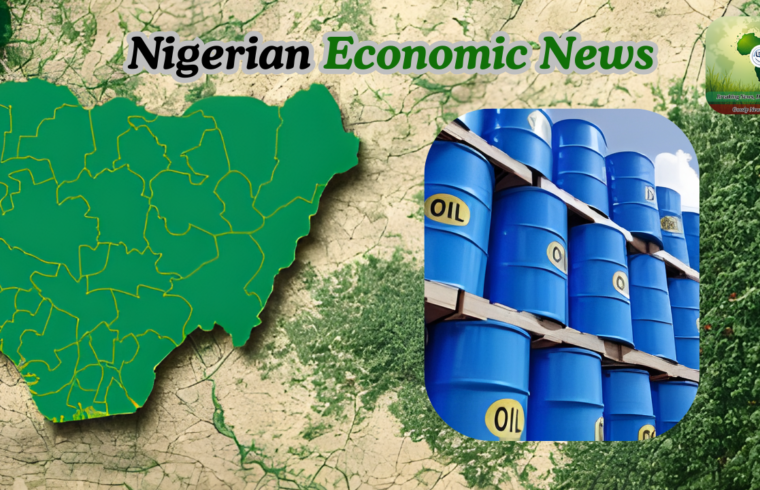
Nigeria’s oil sector once again proved central to the nation’s international trade performance after new figures showed that crude exports generated ₦12.81 trillion in the third quarter of 2025.
Statistics released by the National Bureau of Statistics (NBS) indicate that petroleum shipments continued to dominate Nigeria’s export structure during the period.
According to the latest Foreign Trade in Goods Statistics, crude oil alone accounted for more than half of the country’s export earnings, representing about 56.14 percent of total exports recorded in the quarter.
Although the value of crude exports showed a slight drop when compared to the same period in 2024, the data still reflected an improvement relative to the previous quarter of 2025.
Specifically, crude oil exports declined marginally from ₦13.41 trillion recorded in Q3 2024, but rose from approximately ₦11.97 trillion reported in Q2 2025, indicating a gradual recovery in the sector.
The report also revealed that mineral products—primarily crude oil and petroleum gases—formed the overwhelming majority of Nigeria’s export portfolio.
These mineral exports were collectively valued at about ₦20.01 trillion, representing roughly 87.71 percent of the country’s total exports during the quarter.
In addition to crude oil, Nigeria earned substantial revenue from other petroleum-based products.
Exports of refined and related oil products climbed significantly to ₦7.01 trillion, marking a major increase when compared to the ₦4.62 trillion recorded during the same period in 2024.
However, this figure still reflected a modest decline from the ₦7.74 trillion posted in the second quarter of 2025, highlighting the fluctuating nature of oil-related exports.
When the broader trade picture is considered, Nigeria recorded a total merchandise trade value of ₦38.94 trillion in Q3 2025.
This represented growth both on a yearly basis and compared to the previous quarter.
Within that total, exports contributed ₦22.81 trillion, while imports accounted for ₦16.12 trillion.
The difference between these figures resulted in a trade surplus of about ₦6.69 trillion, although this surplus was slightly lower than the one recorded in the previous quarter.
Among the most prominent export commodities during the quarter were natural gas, petroleum gases, and refined petroleum products, including jet fuel and other energy-related materials.
Major Destinations for Nigerian Exports
Analysis of trade flows showed that Nigeria’s oil shipments were distributed across several regions of the world.
The breakdown of export destinations revealed the following pattern:
- Europe: ₦8.71 trillion in Nigerian exports (largest destination)
- Asia: ₦6.40 trillion in exports
- Africa: ₦4.90 trillion in exports
Europe’s position as the leading market was largely driven by crude oil purchases by European countries.
On the country level, India emerged as Nigeria’s biggest export partner during the quarter.
Other major buyers included:
- Spain
- France
- Netherlands
- Italy
Combined, these five countries accounted for over 38 percent of Nigeria’s total exports in the period under review.
Trade relations within Africa also remained significant.
Exports to African countries totaled ₦4.90 trillion, while imports from the continent were far lower, standing at ₦595 billion.
Within the ECOWAS region, crude oil remained the dominant export product, with shipments valued at ₦1.32 trillion, representing a large share of Nigeria’s trade with neighboring West African economies.
Petroleum products such as gasoline and gas oil also featured prominently in Nigeria’s exports to the region.
Commentary and Analysis
The latest trade figures reinforce a long-standing reality of Nigeria’s economy: crude oil remains the primary engine of export earnings.
Despite repeated calls for diversification, the dominance of oil in the country’s export structure continues to overshadow other sectors.
The data also revealed that non-oil exports remain relatively weak.
Agricultural exports fell by more than 11 percent, while manufactured goods exports declined by over 6 percent, highlighting structural challenges in expanding Nigeria’s industrial and agricultural export capacity.
This imbalance means that fluctuations in global oil prices still have a significant impact on Nigeria’s economic stability.
Economic analysts often emphasize that strengthening non-oil sectors—such as manufacturing, technology, and agriculture—will be critical for reducing reliance on petroleum exports.
Until those sectors grow significantly, crude oil is likely to remain the dominant driver of Nigeria’s foreign exchange inflows and international trade performance.
© 2025 Gossip News Now , a division of CHIEJOS HARBIAN DIGITAL MEDIA LTD. Contact us via admin@gossipnewsnow.online