
Fresh controversy has emerged in Anambra State following the closure of Onitsha Main Market, a development that has intensified debates surrounding security measures, economic disruption, and civil liberties in the South-East region.
The state government ordered the temporary shutdown of the commercial hub after traders reportedly refused to resume business activities, continuing adherence to a sit-at-home directive linked to separatist agitation. Authorities argue that such actions undermine economic stability and threaten normal life across the state.
Legal Adviser Condemns Security Deployment
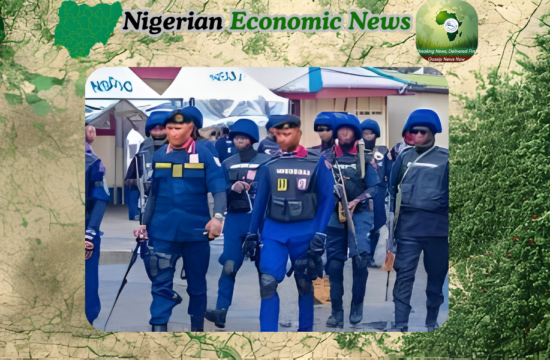
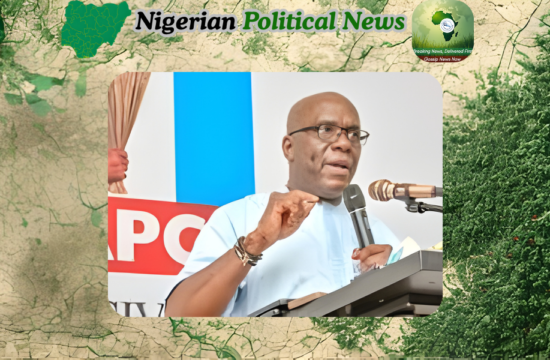
Reacting to the situation, Aloy Ejimakor, legal consultant to IPOB leader Nnamdi Kanu, criticised the decision to deploy security personnel around the market area. He described the action as excessive, insisting that peaceful demonstrations should not be met with military intervention.
According to him, the presence of soldiers in a civilian commercial environment raises constitutional concerns and risks escalating tension rather than resolving grievances. He urged state authorities to reconsider their approach before the situation deteriorates further.
In a statement shared publicly, Ejimakor cautioned that continued enforcement through armed security could provoke unintended consequences. He warned that the people of the region, already burdened by years of hardship, may react strongly if confrontations result in casualties.
Background To The Market Closure
The closure followed ongoing disagreements between traders and government officials over compliance with sit-at-home orders. While the administration has repeatedly appealed to residents and business owners to ignore the directive—describing it as unlawful—many traders have continued observing it out of caution and fear of insecurity.
Officials maintain that the weekly disruption damages livelihoods, discourages investment, and slows commercial activity in one of West Africa’s busiest trading centres.
Competing Narratives Over Public Safety
The incident highlights a broader struggle between enforcement of government authority and protection of citizens’ rights to protest or express dissent peacefully. Supporters of the government’s action argue that restoring normal economic activity requires firm measures, while critics believe dialogue and community engagement would produce better outcomes.
Ejimakor’s intervention reflects growing concern among some stakeholders that heavy security presence could heighten anxiety among traders already navigating uncertain conditions.
Key Issues At The Centre Of The Dispute
Several overlapping factors continue to shape the crisis:
- Economic losses caused by repeated market closures and reduced trading days.
- Government attempts to end sit-at-home compliance viewed as harmful to development.
- Security enforcement strategies attracting legal and human rights concerns.
- Deep-seated regional tensions influencing public reactions to state directives.
These dynamics make the Onitsha situation more than a local dispute, positioning it within wider conversations about governance and stability in the South-East.
Commentary & Political Analysis
The Onitsha Market episode illustrates the delicate balance between maintaining public order and preserving civil freedoms. In regions facing prolonged political tension, enforcement-heavy responses can sometimes deepen mistrust between authorities and communities.
Analysts note that economic centres like Onitsha serve not only as trading hubs but also as symbols of regional resilience. Actions affecting such spaces often carry emotional and political significance beyond their immediate administrative purpose.
Long-term resolution may depend on inclusive dialogue involving traders, community leaders, and security agencies rather than purely coercive measures. Sustainable stability, many observers argue, emerges when governance combines enforcement with trust-building initiatives.
As discussions continue, the unfolding situation may shape future approaches to handling civil protests and economic disruptions across Nigeria’s politically sensitive regions.
© 2025 Gossip News Now , a division of CHIEJOS HARBIAN DIGITAL MEDIA LTD. Contact us via admin@gossipnewsnow.online