
The Peoples Democratic Party (PDP) has strongly reacted to the growing number of defections among its top-ranking members, insisting that such moves are driven by personal ambition rather than genuine political concerns. The party maintained that despite these exits, its foundation remains firmly rooted in the support of Nigerians, who will ultimately shape the outcome of the 2027 general elections.
In a firm stance, the opposition party argued that political relevance does not rest on a handful of influential figures. Instead, it emphasized that the strength of any political structure lies with the people, suggesting that those abandoning the party may soon realize the implications of their decisions.
Recent political shifts have seen notable figures such as Sheriff Oborevwori, Umo Eno, Peter Mbah, and Douye Diri move from the PDP to the All Progressives Congress (APC). In addition, the party has witnessed the departure of prominent personalities, including its former presidential candidate Atiku Abubakar and running mate Ifeanyi Okowa, further intensifying discussions around internal stability.
PDP Insists Defections Lack Justifiable Grounds
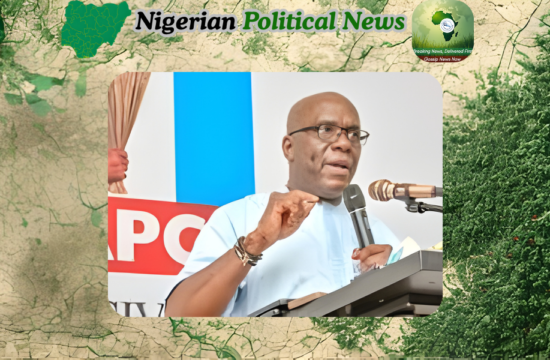
Speaking during a televised interview, the party’s Deputy National Publicity Secretary, Ibrahim Abdullahi, dismissed the reasons behind the defections, describing them as lacking substance. He argued that there is no logical explanation for elected officials, especially those benefiting from the party’s platform, to suddenly switch allegiance.
According to him, the motivations behind these actions are rooted in self-interest rather than ideology or governance concerns. He further noted that even with internal disagreements, the PDP has managed to resolve key issues, positioning itself as a viable opposition force.
Loyalists Defend Governors’ Decisions
However, reactions from aides of the defecting governors present a different narrative. Dan Nwomeh, media adviser to Peter Mbah, described the criticism from the PDP as expected but not entirely accurate.
He suggested that political realities often compel leaders to make difficult choices, especially when they feel sidelined within their original platforms. In his view, such decisions are part of the broader dynamics of Nigerian politics, where alignment and influence play critical roles.
Party Leadership Unmoved, Focuses on Rebuilding
Despite the controversy, the PDP leadership appears unshaken. The party reiterated that its attention is now directed toward strengthening its internal structure ahead of its national convention scheduled in Ibadan.
Abdullahi expressed confidence that the exit of certain members could actually serve as a turning point, allowing the party to rebuild with more committed individuals. He portrayed the situation as an opportunity to reinforce discipline and loyalty within the ranks.
Dispute Over Claims of Marginalization
Addressing claims that certain regions, particularly the South East, have been sidelined within the party, the PDP pushed back strongly. Abdullahi highlighted the region’s historical contributions and representation within the party, pointing to key leadership roles and national appointments previously held by individuals from the zone.
He also questioned the commitment of some leaders, alleging that participation in party activities has been inconsistent among those now raising concerns.
Sharp Criticism of Former Party Figures
In a more pointed remark, Abdullahi criticized former Enugu State Governor Ifeanyi Ugwuanyi, suggesting that his current political posture undermines his past stature. The statement reflects the deepening tensions within the party as it navigates internal restructuring.
Commentary & Political Outlook
The ongoing wave of defections underscores a broader issue within Nigeria’s political landscape—loyalty versus opportunity. While the PDP frames these exits as acts of self-interest, the defectors appear to view them as strategic moves within a competitive system.
Gossip News Now reports that this development could significantly reshape alliances ahead of 2027, as both major parties continue to consolidate influence. The PDP’s challenge now lies in transforming its internal setbacks into a renewed strategy capable of regaining public trust.
Ultimately, the evolving situation highlights a critical question: will political parties in Nigeria be defined by individual actors or by the collective will of the electorate?
© 2025 Gossip News Now , a division of CHIEJOS HARBIAN DIGITAL MEDIA LTD. Contact us via admin@gossipnewsnow.online