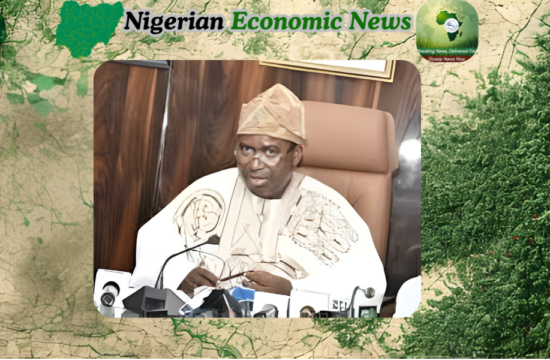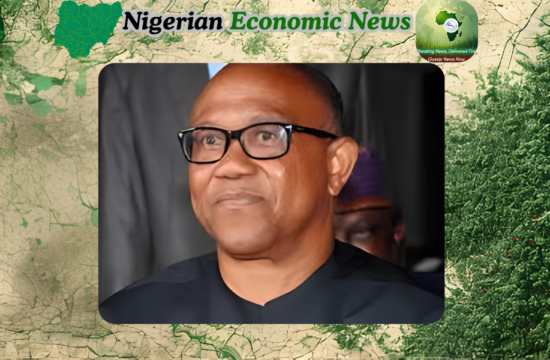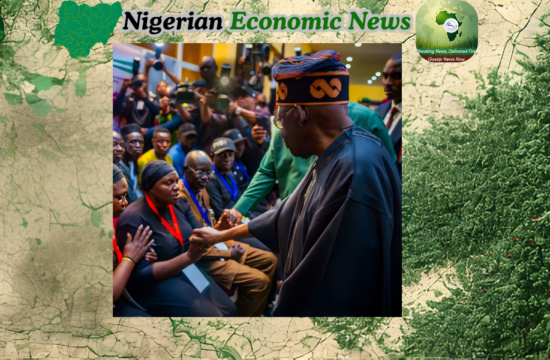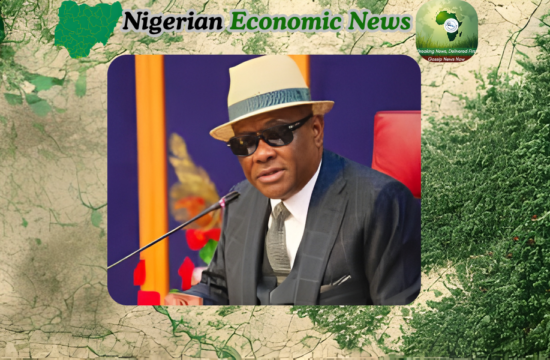

Tensions within the Peoples Democratic Party (PDP) have deepened as senior figures within its Board of Trustees (BoT) move to reaffirm the party’s leadership structure and defend the upcoming national convention.
Key party stakeholders, including Eme Okoro and James Okpara, have publicly rejected claims suggesting that Adolphus Wabara has been removed as BoT chairman.
According to Gossip News Now, the duo maintained that Wabara remains the legitimate occupant of the position, describing reports of his replacement as unfounded and inconsistent with party procedures.
They also dismissed attempts to present Mao Ohuabunwa as a new BoT chairman, arguing that such moves violate established rules and undermine internal order.
Raising concerns over how these claims emerged, Okoro criticized what he described as irregular practices, including the alleged inauguration of a new leader outside official party structures.
He further emphasized that party members dissatisfied with collective decisions should consider leaving rather than weakening the institution from within.
The internal crisis appears to extend beyond the BoT, as questions have also been raised about the leadership of Umar Damagum. Both Okoro and Okpara rejected any suggestion that his position as National Chairman has been invalidated.
In a broader context, Okpara warned against attempts to disrupt the PDP’s national convention, framing such actions as a direct threat to the party’s future.
Rearranging his core message into a more pointed reflection, he suggested that any individual or group working to block the convention cannot genuinely claim loyalty to the party’s ideals.
The leaders also hinted at deeper internal divisions, referencing the influence of figures such as Nyesom Wike in ongoing disputes, though without assigning full responsibility.
Commentary & Analysis
The PDP’s internal struggles highlight the challenges of managing leadership transitions and maintaining unity within a major opposition party.
Disputes over positions such as the BoT chairmanship and national leadership often reflect deeper ideological and strategic disagreements, particularly as the party prepares for future elections.
The strong defense of the national convention underscores its importance as a decision-making platform, where leadership legitimacy and party direction are formally established.
At the same time, the warning against internal sabotage reveals concerns about fragmentation, which could weaken the party’s ability to present a united front.
Ultimately, how the PDP navigates these tensions will play a critical role in shaping its relevance and competitiveness in Nigeria’s political landscape.
© 2025 Gossip News Now , a division of CHIEJOS HARBIAN DIGITAL MEDIA LTD. Contact us via admin@gossipnewsnow.online