
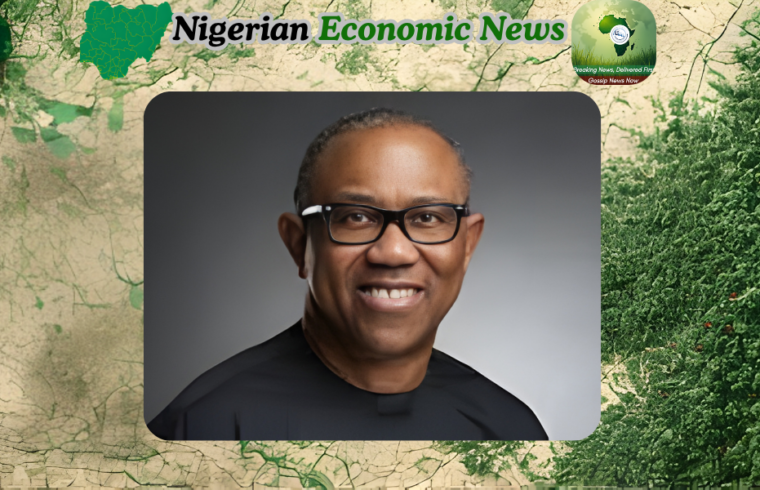
Concerns over Nigeria’s electricity sector have resurfaced as former Labour Party presidential candidate Peter Obi openly challenged the Federal Government’s latest approval of ₦3.3 trillion aimed at settling liabilities within the power industry.
The former Anambra governor expressed doubts about the effectiveness of such financial interventions, urging citizens to critically examine whether these repeated approvals have translated into any real progress in electricity supply.
According to Gossip News Now, Peter Obi highlighted a pattern of similar approvals in recent years, pointing out that large sums had previously been sanctioned for the same purpose without visible improvements in the sector.
He referenced earlier financial commitments, including trillions approved in 2024, questioning whether those funds were fully implemented or merely announced without measurable outcomes. His concerns suggest a deeper issue around transparency and execution.
In a restructured reflection of his remarks, Obi emphasized that Nigerians deserve clarity on how these debts accumulated and how the funds are being utilized. He raised multiple concerns surrounding accountability, including who benefits from such payments and whether inefficiencies within the system are being addressed.
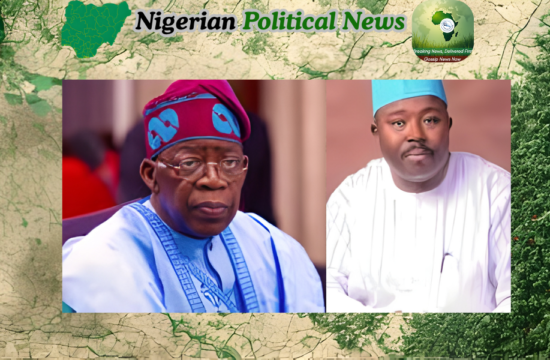
The former presidential candidate also drew attention to campaign assurances made by Bola Ahmed Tinubu, noting that improved electricity supply was a key promise. He argued that the current situation appears inconsistent with those commitments, as power challenges persist across the country.
Obi further questioned why government institutions, despite receiving budget allocations, allegedly struggle to meet electricity-related obligations. This, he suggested, points to deeper structural and financial management issues.
In an alternative framing of his position, he warned that continuous financial injections without reform risk trapping the country in a cycle where debt grows but service delivery remains poor.
Key Issues Raised By Obi
Rather than presenting them in their original order, the concerns he outlined can be viewed across several critical areas:
- Transparency surrounding how the power sector debt was accumulated
- Clarity on the total size and breakdown of the liabilities
- Accountability regarding previous funds approved for the same purpose
- Identification of beneficiaries of repeated financial settlements
- The role of inefficiencies within the sector and who bears responsibility
Analysis: A Call For Reform Over Repetition
The debate reignited by Peter Obi underscores a longstanding challenge in Nigeria’s power sector—balancing financial intervention with tangible results. While government spending is often necessary to stabilize critical infrastructure, repeated approvals without visible improvement can erode public trust.
Analysts suggest that beyond funding, structural reforms and strict oversight mechanisms are essential to ensure efficiency and accountability. Without these, financial interventions risk becoming cyclical rather than transformative.
As discussions continue, the spotlight remains on whether the current administration can deliver lasting solutions or if concerns raised by Obi will further intensify public scrutiny of the sector.
© 2025 Gossip News Now , a division of CHIEJOS HARBIAN DIGITAL MEDIA LTD. Contact us via admin@gossipnewsnow.online