
Nigeria’s pig farming industry is witnessing renewed interest from both producers and consumers as demand for pork and processed pork products continues to grow. This surge is largely driven by population expansion, rapid urban development, and shifting dietary habits.
Industry data indicate that Nigerians consume over 600,000 metric tonnes of pork annually, yet domestic production remains insufficient, forcing the country to rely heavily on imports to bridge the widening supply gap.
Pork consumption is strongest in southern and central states, including Lagos, Ogun, Rivers, Benue, and Plateau, where cultural acceptance is high and pork features prominently on restaurant menus, hotel offerings, and fast-food outlets.
Experts attribute this growing appetite largely to urbanisation and the expansion of Nigeria’s middle class, which has increased demand for animal protein, especially pork, considered more affordable than beef.
With Nigeria’s population exceeding 230 million and still rising, domestic protein requirements are projected to climb sharply, presenting significant opportunities for pig farmers to expand operations and close the supply deficit.
Market research further reveals that more than 65 percent of pork consumed in Nigeria is imported, mainly in processed forms such as bacon, sausages, and frozen cuts, underscoring a major lost opportunity for local producers.
Starting Small: Low-Cost Entry into Pig Farming
Explaining the startup dynamics of pig farming, Mr Olabode Olatunji, during a visit by Naija News to his farm in Igbeti, Olorunsogo Local Government Area of Oyo State, said beginners can venture into pig farming with limited capital.
According to him, “Startup costs depend on your financial capacity. But for those with limited funds, you can begin with two female pigs and one male. Alternatively, instead of buying a male, you can start with three females.
“When they become mature, you take them for mating elsewhere. The owner of the male pig usually charges one litre of palm oil or another agreed fee per female. That way, you can begin small and grow gradually.”
High Profit Margins Sustain Investor Interest
Despite rising production costs, pig farming remains highly attractive due to strong profit potential. A 100kg live pig currently sells for over ₦200,000, depending on location, while production costs remain considerably lower for efficient farmers.
Fast growth rates and high reproductive capacity — with a sow producing 8 to 12 piglets per litter multiple times yearly — make piggery a scalable agribusiness for serious investors.
Speaking on profitability, Olatunji said, “Pig farming is highly profitable. Most pork consumers in Nigeria are from the South-South and among the Ijebu people. Last year, an 80kg pig sold for nearly ₦200,000.
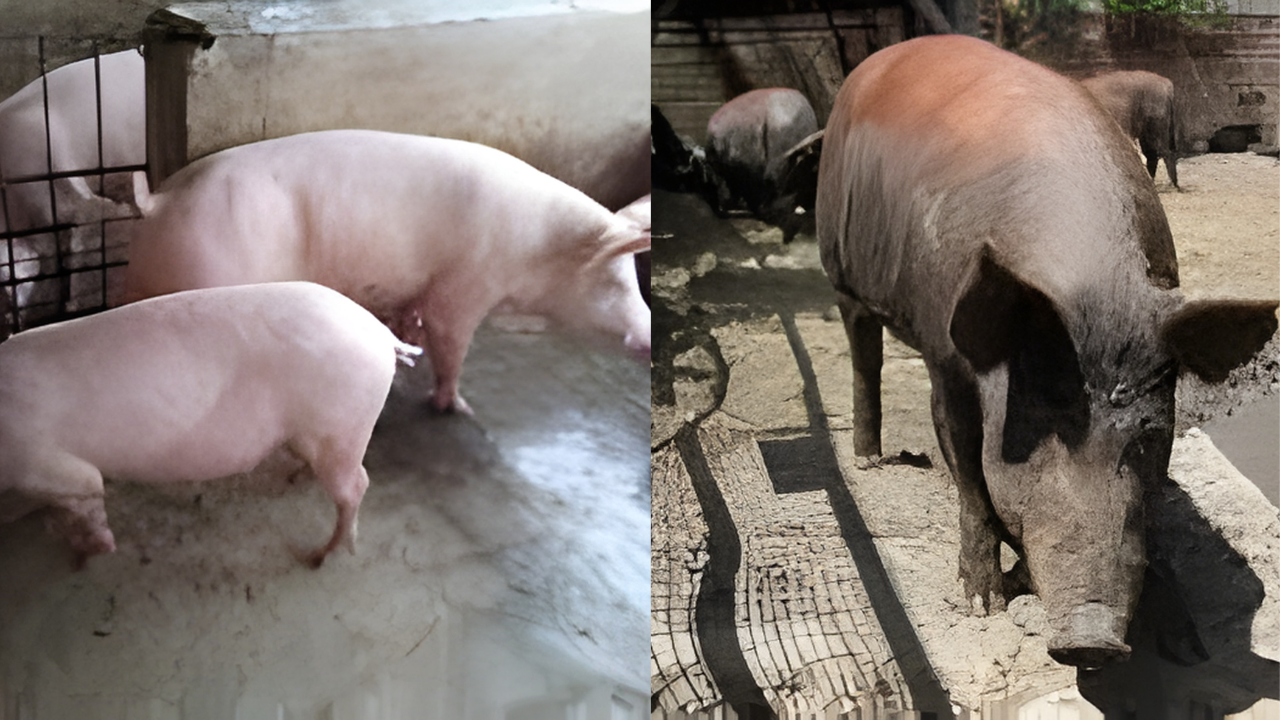
“The breed matters greatly. Local breeds are not very profitable, but improved breeds like Large White and hybrids can weigh up to 120–150kg. If you sell ten pigs at ₦180,000 each, that’s almost ₦2 million.
“Location also matters. Farmers in cities such as Lagos, Ibadan, Abuja, and Port Harcourt earn more than those in rural areas.”
He added that urban markets pay between ₦1,500 and ₦2,000 per kilogram, while two-month-old piglets (weaners) sell for ₦45,000 to ₦50,000 in cities, compared to about ₦30,000 in rural areas.
Major Challenges Slowing Sector Growth
Despite strong demand, pig farming in Nigeria continues to face numerous operational and structural constraints:
1. Disease Outbreaks
African Swine Fever (ASF) remains a major threat, wiping out herds and causing heavy losses due to weak biosecurity measures and limited veterinary services.
2. High Feed Costs
Feed accounts for the bulk of production expenses. Rising prices of maize, soybean, and other inputs, driven by inflation, significantly reduce profit margins.
3. Shortage of Quality Breeds
Limited access to improved breeds such as Large White, Landrace, and Duroc, combined with poor breeding practices, hampers productivity.
4. Poor Processing Infrastructure
The lack of modern slaughterhouses, cold storage, and processing facilities keeps most pork trade informal, discouraging major investments.
5. Cultural and Religious Limitations
In northern Nigeria, cultural and religious beliefs restrict pork consumption, limiting nationwide market expansion.
6. Limited Access to Finance
Banks often classify pig farming as high-risk, making it difficult for farmers to secure loans and investment funding.
7. Infrastructure and Logistics Challenges
Poor road networks, unstable electricity supply, and water shortages increase production costs and limit market access.