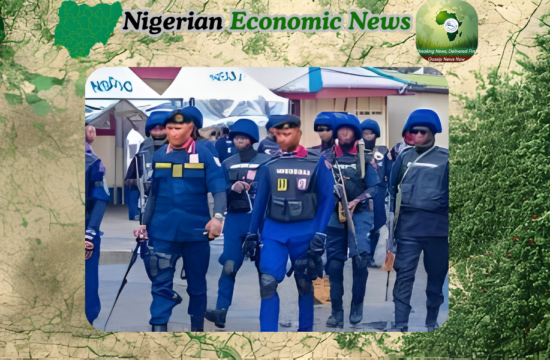


Former presidential candidate Peter Obi has drawn attention to a pressing issue affecting road users nationwide: poorly positioned police checkpoints. According to him, these checkpoints are the main contributors to the severe traffic congestion witnessed on Nigerian roads, particularly during peak travel periods.
Obi shared his observations on 𝕏 over the weekend, recounting the challenges he faced traveling across major highways during the festive season. He described the traffic as “appalling,” noting that in some instances, travellers abandoned their journeys altogether in an effort to escape prolonged gridlocks.
Through his assessment, Obi identified the placement of security checkpoints as the primary culprit. Checkpoints sited at narrow roads, intersections, or near construction zones often halt traffic completely, creating bottlenecks that ripple across long stretches of highway. “Analysis shows that the main contributor to these traffic jams is the positioning of security checkpoints. Placing them at narrow points or near construction areas is irresponsible,” he remarked.
He also highlighted that these disruptions are not isolated incidents but part of a systemic problem affecting multiple highways. “Some may view these observations as minor, but every detail has real consequences for Nigerians’ daily lives,” Obi stressed, emphasizing the human cost of poor planning.
Impact on Drivers and Road Safety
Obi pointed out that the cumulative effect of these bottlenecks extends beyond inconvenience. Prolonged delays tire drivers, increasing the risk of accidents as fatigued motorists struggle to stay alert. “These avoidable delays leave drivers exhausted, heightening the likelihood of accidents,” he said.
Furthermore, he argued that the current approach undermines the very purpose of highway security. Long delays expose travellers to dangerous conditions, particularly after dark, at a time when insecurity is reportedly on the rise. “Security is meant to protect lives, not endanger them,” Obi remarked.
Recommendations for Reform
While acknowledging the dedication of Nigeria’s security personnel, Obi called for smarter deployment and operational flexibility. He suggested several measures aimed at easing traffic without compromising safety:
- Relocate checkpoints away from narrow roads and construction sites.
- Expedite inspections during periods of high traffic volume.
- Enhance coordination between security agencies to reduce unnecessary delays.
“Strategic placement, timely inspections, and proper inter-agency coordination are essential to eliminate bottlenecks and protect travellers,” he advised.
Obi concluded that implementing such reforms would improve traffic flow, enhance road safety, and make the daily experience of Nigerian commuters less stressful while maintaining the objectives of security operations.
Analysis
The former governor’s critique highlights a recurring challenge in Nigeria’s traffic management: balancing security with mobility. While checkpoints are essential for law enforcement and crime prevention, poor planning can inadvertently endanger the very people they are meant to protect. Analysts suggest that a combination of data-driven checkpoint placement, technology-assisted traffic management, and flexible enforcement strategies could significantly reduce gridlocks without compromising security.
© 2025 Gossip News Now, a division of CHIEJOS HARBIAN DIGITAL MEDIA LTD. Contact us via admin@gossipnewsnow.online