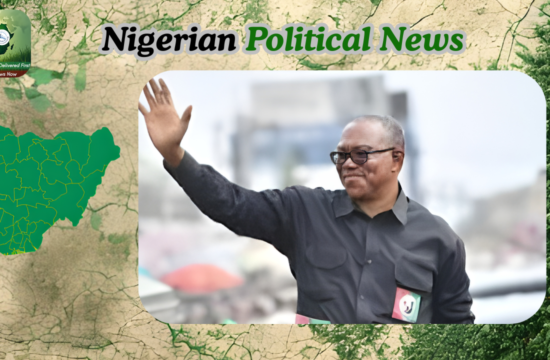

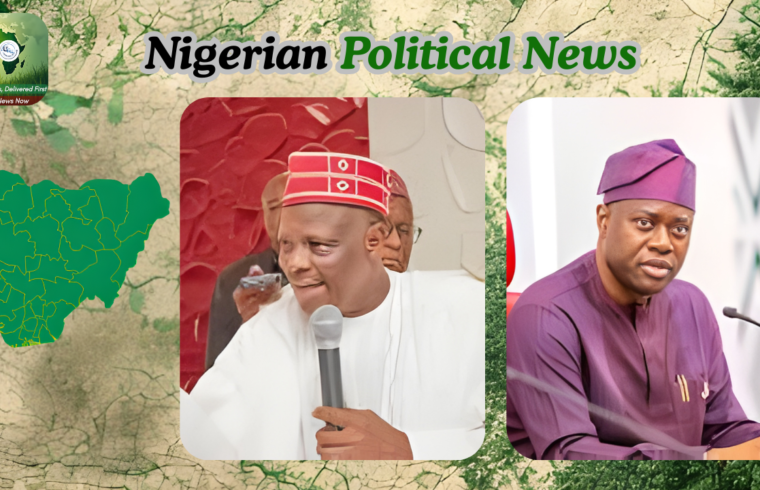
Fresh political signals have emerged from Ibadan following a private meeting between former Kano State governor and leader of the New Nigeria Peoples Party (NNPP), Rabiu Musa Kwankwaso, and Oyo State Governor Seyi Makinde. The engagement, conducted away from public scrutiny, has immediately sparked conversations about shifting alliances ahead of Nigeria’s next electoral cycle.
Sources confirmed that Kwankwaso arrived in the Oyo State capital accompanied by close political associate Buba Galadima and members of his political circle, reinforcing the perception that the visit carried significant political weight.
Details of Meeting Remain Confidential
As of the time the meeting concluded, neither camp released an official briefing explaining the purpose of the discussion. The absence of public disclosure has fueled speculation among political observers, many of whom interpret such confidential engagements as early consultations linked to national political strategy.
High-level meetings conducted behind closed doors often allow political leaders to exchange ideas freely without immediate public pressure or media interpretation.
Growing Speculation Around 2027 Elections
Observers believe the timing of the encounter is unlikely to be coincidental. Kwankwaso has remained politically active in recent months, while Governor Makinde continues to be viewed as a key figure with growing influence beyond regional politics.
Although no formal alliance has been announced, analysts suggest that conversations between influential politicians frequently precede broader coalition-building efforts ahead of general elections.
Rather than focusing on immediate political declarations, such meetings are often aimed at exploring future collaboration, assessing electoral strengths, and aligning strategic interests.
Influence of Both Political Figures
Kwankwaso commands a loyal political movement with strong grassroots support, particularly in northern Nigeria, while Makinde’s governance profile and political positioning within the southern bloc make him an important stakeholder in national political calculations.
The interaction between leaders from different geopolitical zones has therefore attracted attention as a possible bridge-building exercise within Nigeria’s evolving political landscape.
Strategic Consultations Common in Pre-Election Periods
Political consultations of this nature are not unusual as election seasons gradually approach. Senior political actors frequently engage in informal dialogue to evaluate potential partnerships, assess policy directions, or negotiate future alignments before public announcements are made.
Such meetings can signal exploratory discussions rather than finalized agreements, leaving room for multiple political outcomes.
Commentary and Political Analysis
The Kwankwaso–Makinde meeting underscores a recurring pattern in Nigerian politics where major realignments begin quietly through private consultations long before campaign season officially starts. Political alliances often emerge through gradual trust-building rather than sudden declarations.
With the 2027 general elections still some distance away, early engagements suggest that influential politicians are already positioning themselves within a rapidly evolving political environment. Cross-regional dialogue may also reflect growing recognition that electoral success increasingly depends on broad national coalitions rather than isolated regional strength.
Whether the Ibadan meeting translates into a formal partnership remains uncertain, but its symbolism highlights intensified behind-the-scenes negotiations shaping Nigeria’s future political landscape.
© 2025 Gossip News Now, a division of CHIEJOS HARBIAN DIGITAL MEDIA LTD. Contact us via admin@gossipnewsnow.online