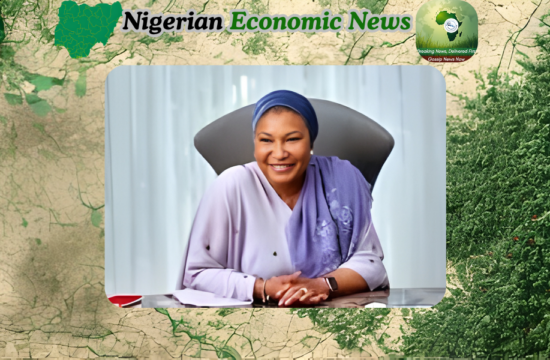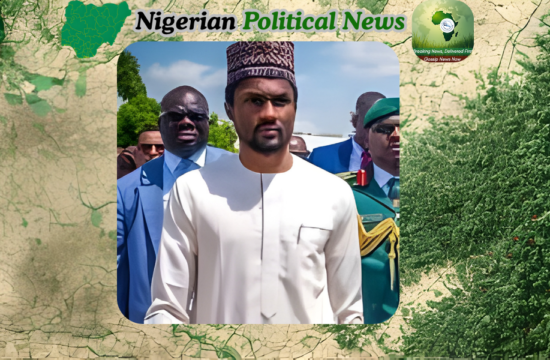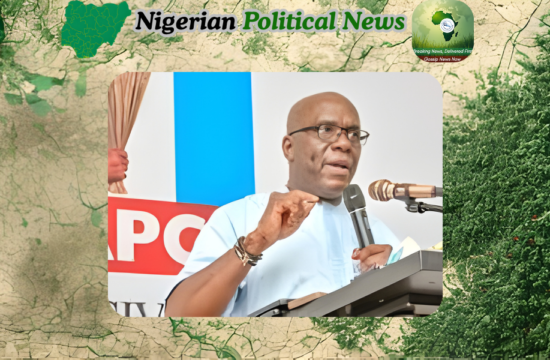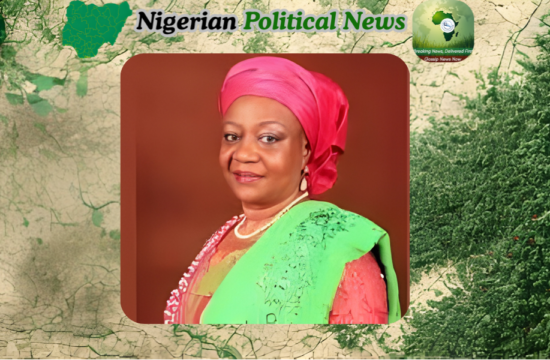


A major legal and humanitarian development has emerged as , Nigeria’s President, approved a presidential pardon for , years after her conviction in a high-profile murder case that drew national attention.
The decision, which has sparked public debate, was officially communicated by presidential spokesman , who shed light on the factors that influenced the move.
Background of the Case
had previously been sentenced to death over the killing of her husband, , a case that resonated widely due to the prominence of the Bello family. The late was the son of , a former chairman of the <Peoples Democratic Party (PDP)>.
Her conviction in 2020 led to years of incarceration at the Suleja custodial facility, where she reportedly served over six years before the recent intervention.
Presidency Explains Basis for Clemency
According to Gossip News Now recalls that, the pardon was not arbitrary but followed a structured review process involving the appropriate legal advisory body.
The Presidency indicated that appeals from Sanda’s family played a crucial role, particularly arguments centered on the welfare of her children. Beyond that, her conduct during incarceration was also taken into account.
In essence, authorities noted that her time in custody reflected a transformation — highlighting remorse, discipline, and commitment to personal reform.
Considerations That Influenced the Decision
The recommendation for clemency came through the Presidential Advisory Committee on the Prerogative of Mercy, led by . The panel evaluated multiple criteria before arriving at its conclusion.
Among the key elements reviewed were:
- Demonstrated behavioral change and accountability
- Engagement in educational or vocational activities
- Evidence of rehabilitation and reintegration readiness
- Humanitarian concerns, including family impact
These considerations, when combined, reportedly formed the basis for the final approval granted by .
Broader List of Beneficiaries
The pardon extended beyond , as several other individuals were also granted clemency under the same exercise. Beneficiaries spanned different categories, including those convicted of non-violent offenses and individuals who had shown significant reform.
Notable names referenced in the announcement included , , and other figures linked to past convictions, alongside a wider group totaling 175 individuals.
Humanitarian vs Legal Debate
The decision has reignited conversations about the balance between justice and mercy in Nigeria’s legal system. While some view the pardon as a compassionate response to rehabilitation and family needs, others question its implications for accountability in serious criminal cases.
Reframing the Presidency’s position, the move appears to reflect a belief that justice can coexist with second chances, particularly when there is clear evidence of reform and societal reintegration potential.
Analysis: The Power of Presidential Mercy
Presidential pardons remain one of the most powerful constitutional tools available to Nigerian leaders. In this case, ’s decision underscores how factors beyond the courtroom — such as rehabilitation, public interest, and humanitarian considerations — can shape outcomes.
However, such actions often come with public scrutiny, especially in high-profile cases like that of . Moving forward, the challenge lies in maintaining public confidence while exercising mercy in a way that is both transparent and justifiable.
© 2025 Gossip News Now , a division of CHIEJOS HARBIAN DIGITAL MEDIA LTD. Contact us via admin@gossipnewsnow.online