
Nigeria’s House of Representatives has intensified scrutiny of government spending in the agricultural sector, summoning senior public officials following concerns over incomplete financial records tied to intervention funds released over a ten-year period.
The move comes after lawmakers reviewing subsidy programmes and agricultural support initiatives expressed dissatisfaction with documentation submitted during an investigative hearing at the National Assembly.
Investigation Triggered by Missing Audit Documentation
Members of the ad-hoc committee overseeing the probe raised alarms over gaps in audit reports covering funds allocated to agriculture between 2015 and 2025. Committee chairman Jamo Aminu stated that the absence of detailed financial verification made it difficult for lawmakers to evaluate how billions earmarked for food production and farmer support were utilised.
Reframing his concern, Aminu stressed that parliamentary oversight loses effectiveness when audit trails are incomplete, particularly in a sector receiving repeated government interventions amid rising food costs.
He noted that accountability becomes essential when public spending is linked directly to national food security challenges.
Auditor-General’s Office Explains Delays
Representatives from the Office of the Auditor-General informed the committee that the delay in completing audits was connected to documentation challenges. Officials explained that critical records required for verification had not been fully supplied by relevant ministries responsible for managing agricultural programmes.
According to the briefing, the Ministry of Agriculture serves as the primary custodian of operational data related to subsidies, grants, and international assistance funds. Without access to those records, auditors said final reports could not be concluded.
The committee subsequently broadened its inquiry, directing both the Agriculture and Finance Ministries — alongside the Auditor-General — to appear before lawmakers to clarify discrepancies surrounding fund administration.
Legislative Warning and Next Steps
Lawmakers scheduled a follow-up appearance for the invited officials and warned that failure to honour the summons could attract sanctions under legislative authority. The committee maintained that cooperation from all agencies involved in fund disbursement and monitoring is essential to restoring public confidence.
The investigation forms part of a wider effort to determine whether intervention programmes have delivered measurable impact despite substantial public investment over the past decade.
Broader Legislative Agenda Resumes
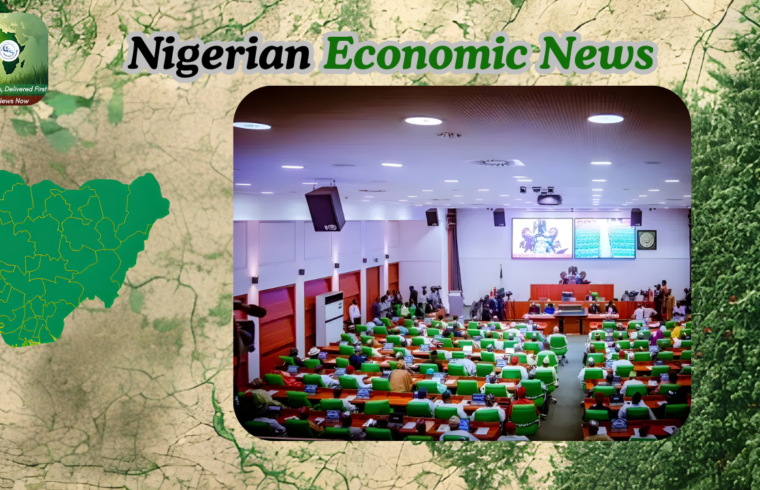
The development coincided with the House of Representatives’ return from its holiday recess, during which lawmakers outlined priority reforms for the coming legislative year.
Deputy Speaker Benjamin Kalu announced that parliamentary activities in 2026 would focus on several major areas, including:
- Review and amendment of provisions within the Electoral Act.
- Constitutional adjustments targeting governance efficiency.
- Rigorous examination of the national budget to ensure implementation aligns with development goals.
The plenary session opened with tributes honouring deceased former lawmakers, setting a reflective tone before discussions shifted toward policy direction and oversight responsibilities.
Commentary & Governance Analysis
The ongoing probe highlights persistent concerns about transparency in Nigeria’s agricultural financing framework. Despite repeated intervention programmes designed to improve food production and stabilise prices, questions remain about efficiency, coordination, and measurable outcomes.
Analysts observe that legislative investigations into sectoral spending often reveal structural challenges such as fragmented record-keeping, inter-agency coordination problems, and weak monitoring mechanisms. Strengthening audit systems could play a critical role in ensuring that future agricultural investments translate into improved food security.
The summons issued by the House signals an attempt to reinforce institutional accountability at a time when economic pressures have made effective public spending more urgent. Whether the investigation results in policy reforms or administrative restructuring may depend on the cooperation of agencies responsible for managing and auditing national resources.
© 2025 Gossip News Now , a division of CHIEJOS HARBIAN DIGITAL MEDIA LTD. Contact us via admin@gossipnewsnow.online