
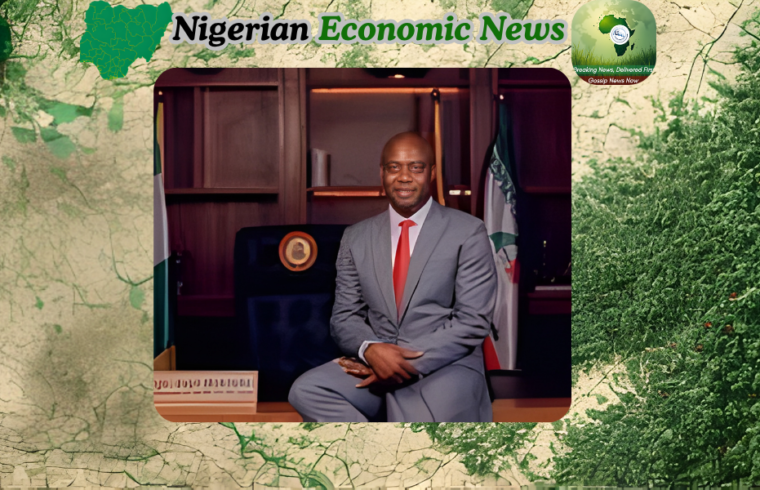
Governor Seyi Makinde has voiced serious concern about the future of Nigeria’s democracy, warning that recent political trends suggest a gradual shift toward a one-party dominance. His remarks have added to growing national conversations about the balance of power and the strength of opposition voices.
Growing Concerns Across Political Landscape
In a recent reflection on governance and national developments, Seyi Makinde pointed to unfolding events within major parties such as the Peoples Democratic Party and the African Democratic Congress. He also referenced the roles played by institutions like the Independent National Electoral Commission and the judiciary, suggesting that their recent actions have sparked debate about democratic stability.
According to Gossip News Now, these developments are no longer just partisan matters but issues that affect the broader health of Nigeria’s political system.
Warning Signs of Political Imbalance
The governor highlighted a pattern that he believes could weaken democratic competition. He suggested that opposition voices are increasingly under pressure, while dissenting opinions are facing growing resistance.
Reframing his concern, Seyi Makinde implied that when alternative viewpoints begin to shrink within the political space, the system risks losing its balance—an essential ingredient for any functioning democracy.
Oyo State Transition and Leadership Assurance
Amid national concerns, Seyi Makinde also addressed speculations surrounding leadership succession in Oyo State. He reassured residents that careful consultations are ongoing, involving credible individuals who could sustain the progress recorded under his administration.
Rather than rushing decisions, he emphasized a deliberate and thoughtful transition process aimed at securing the state’s future.
Democracy Requires Active Participation
In a reworded reflection of his position, Seyi Makinde stressed that democracy thrives not on uniformity but on diversity of opinions. He suggested that disagreement, when properly managed, strengthens governance by ensuring accountability and responsiveness.
He further warned that disengagement from civic processes could accelerate democratic decline, making it harder to reverse negative trends.
Key Democratic Principles Highlighted
Instead of listing them conventionally, the governor’s message underscores several core ideas essential to sustaining democracy:
- The need for strong and independent institutions
- The importance of credible opposition and alternative choices
- Citizen confidence in electoral and governance processes
- Continuous public engagement in national affairs
These elements, he suggested, form the backbone of a resilient democratic system.
Call for Vigilance and National Dialogue
Looking ahead, Seyi Makinde indicated plans to engage stakeholders across different sectors to discuss ways of strengthening democratic structures. He framed the moment not as a crisis requiring panic, but as a critical point demanding awareness and collective responsibility.
Commentary and Analysis
The concerns raised by Seyi Makinde reflect a broader anxiety about political concentration in Nigeria. While the country has maintained democratic governance for decades, the balance between ruling parties and opposition remains a key factor in sustaining that system.
His warning serves as a reminder that democracy is not self-sustaining—it requires constant participation, transparency, and institutional integrity. As political dynamics continue to evolve, the real test will be whether stakeholders can preserve a system that remains open, competitive, and accountable.
© 2025 Gossip News Now , a division of CHIEJOS HARBIAN DIGITAL MEDIA LTD. Contact us via admin@gossipnewsnow.online