
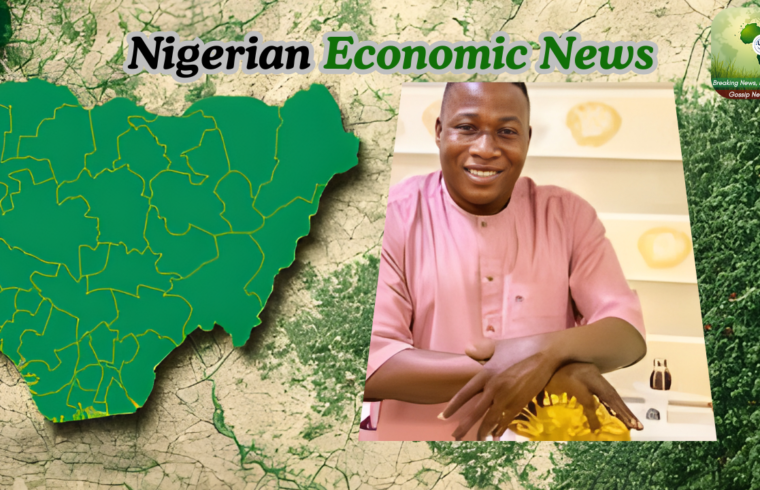
After several years away from Nigeria, Yoruba self-determination advocate Sunday Adeyemo — popularly called Sunday Igboho — is preparing for a return many of his supporters once considered uncertain. Developments surrounding his planned homecoming follow high-level traditional interventions aimed at resolving long-standing legal and political obstacles.
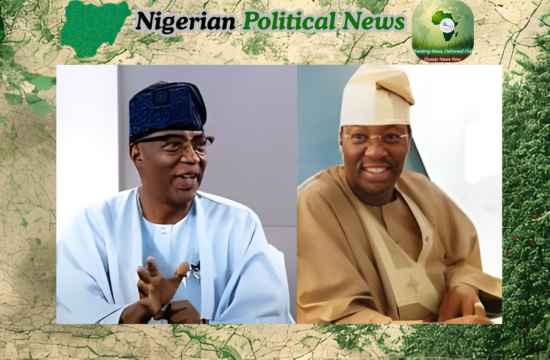
Key royal figures in the South-West reportedly played decisive roles in easing tensions that previously prevented his return. Among those credited with facilitating dialogue are Oba Rashidi Ladoja and Oba Adeyeye Ogunwusi, whose involvement helped open pathways toward reconciliation and clearance from authorities.
According to updates shared by his media aide, discussions involving community leaders and influential stakeholders ensured that restrictions once associated with the activist had been lifted. While no exact arrival date has been publicly confirmed, preparations for his eventual return to Ibadan are said to be underway.
Celebration among supporters has already begun, with allies describing the development as symbolic for Yorubaland. His spokesperson emphasized that the clearance signifies freedom of movement and the removal of security concerns that forced the activist to remain abroad for years.
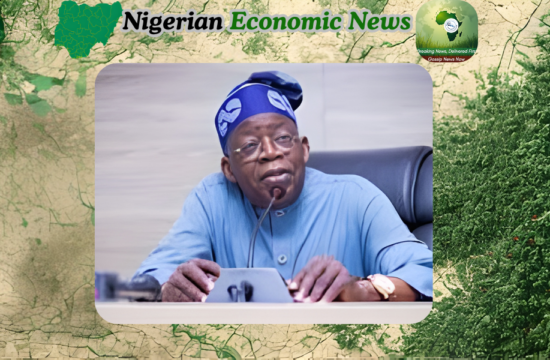
The journey toward this moment has been lengthy. During 2025, Igboho openly voiced frustration about living outside Nigeria, revealing that exile had taken a personal toll. While visiting the palace of Oba Olusola Alao, he appealed to the administration of Bola Ahmed Tinubu, requesting the removal of his name from official watch lists and insisting he had committed no offence deserving prolonged restrictions.
His legal challenges began during the administration of former President Muhammadu Buhari, when government authorities declared him wanted. The situation affected his access to travel documents and financial resources despite court decisions that his supporters argue favoured him.
The activist first rose into national prominence in early 2021 following security tensions in Igangan, Oyo State, where he issued a controversial ultimatum after the killing of community figure Fatai Aborode. His actions drew massive grassroots backing but also placed him at the centre of intense national debate on regional security and ethnic relations.
Events escalated dramatically on July 1, 2021, when operatives of the State Security Service raided his residence in Ibadan in an attempt to arrest him. The confrontation turned violent, resulting in casualties among his associates and forcing him to flee Nigeria shortly afterward.
His escape led him to the Benin Republic, where plans to continue onward to Europe were cut short after his arrest at Cotonou Airport later that same month. Detained for an extended period, he eventually regained freedom in March 2022 after nearly two years in custody — a development that triggered celebrations and protests across different parts of Nigeria at the time.
Support groups have since expressed gratitude to traditional rulers, diaspora Yoruba communities, and political actors who sustained advocacy efforts during his absence. They believe his anticipated return represents closure to a turbulent chapter marked by legal battles, activism, and public controversy.
Commentary & Analysis: Tradition, Politics And Conflict Resolution
Sunday Igboho’s expected return illustrates the enduring influence of traditional institutions within Nigeria’s political landscape. While modern governance structures dominate formal authority, the involvement of respected monarchs demonstrates how cultural diplomacy can sometimes succeed where political confrontation stalls.
His case also reflects broader tensions between regional activism and federal security concerns. Supporters view him as a defender of community interests, while critics argue that his methods intensified ethnic divisions. The negotiated path toward reintegration suggests an effort to reduce confrontation while promoting stability in the South-West.
Ultimately, the planned homecoming may serve as both a personal resolution and a political signal — showing how dialogue, legal processes, and traditional mediation can intersect in resolving nationally sensitive disputes.
© 2025 Gossip News Now, a division of CHIEJOS HARBIAN DIGITAL MEDIA LTD. Contact us via admin@gossipnewsnow.online