
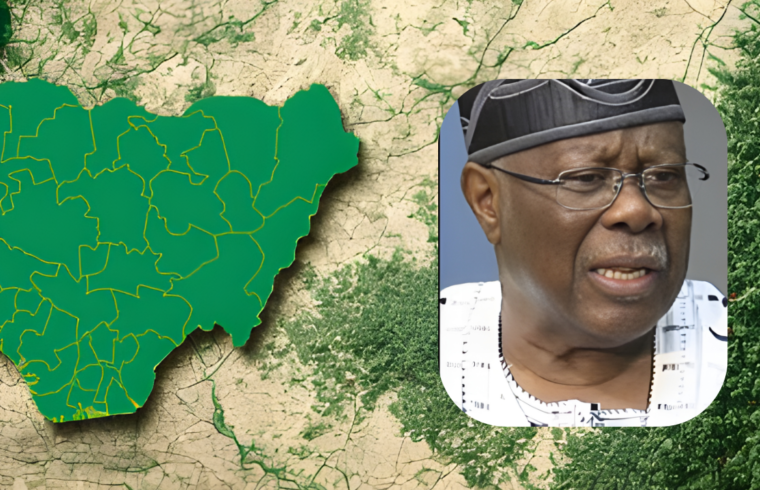
Nigeria’s long-standing political and social tensions have once again come under scrutiny, with a prominent political figure arguing that the roots of many national challenges can be traced back to the colonial era. A former senior member of the Peoples Democratic Party (PDP) believes the effects of British rule continue to shape the country’s internal struggles decades after independence.
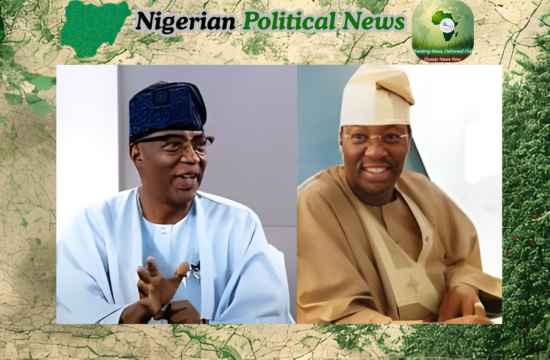
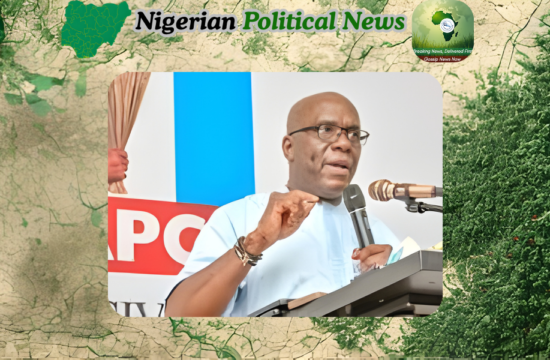
According to Gossip News Now, the comment was made by Chief Bode George, a respected elder statesman and former Deputy National Chairman of the PDP, during a television interview where he examined Nigeria’s evolving political climate and the persistent divisions within society.
Colonial Legacy and National Unity
During his appearance on Arise Television, George pointed out that certain societal tensions did not originate within indigenous Nigerian communities but were amplified during the colonial administration. In his view, the colonial structure laid the foundation for divisions that still influence political discourse and national identity today.
He argued that the rivalry between ethnic and religious groups did not arise naturally but was intensified through colonial governance systems that categorized people along identity lines.
Reflecting on the issue, George suggested that many conflicts and disagreements within the country can ultimately be linked to those historical divisions that were embedded in Nigeria’s early political framework.
Ethnic and Religious Divisions
George emphasized that two particular problems have remained deeply rooted in the nation’s social structure. In his words, the country continues to wrestle with:
- intense ethnic loyalty that fuels tribal rivalries
- religious intolerance that often widens political and social divides
According to him, these forces have shaped political alignments and public debates for decades, often overshadowing discussions about national development.
While speaking on the subject, he questioned the logic of judging people by ethnic identity, noting that individuals do not choose the circumstances of their birth or their cultural background.
Call for Government Action
Beyond the historical analysis, George also addressed the current economic and social atmosphere in Nigeria. He warned that rising hardship, hunger, and public frustration could worsen national tensions if leaders fail to act swiftly.
He appealed to the All Progressives Congress (APC) administration to prioritize policies that will create opportunities for citizens and reduce economic pressure on households.
George stressed that when people lack access to jobs and productive engagement, frustration can quickly translate into instability.
Warning Ahead of Election Cycle
The PDP elder also drew attention to the political calendar, pointing out that the country is gradually approaching another election season. According to Gossip News Now reports that, he cautioned that unresolved economic hardship combined with political competition could create a volatile atmosphere.
In his assessment, a combination of rising public anger and political rivalry could become dangerous if leaders do not manage the situation carefully.
He therefore encouraged the government to introduce programs that empower citizens economically and help reduce widespread dissatisfaction.
Commentary and Analysis
George’s remarks highlight a recurring debate in Nigeria about how colonial history shaped the country’s modern political structure. Scholars and political analysts have often discussed the “divide and rule” administrative model used during British rule, which many believe intensified identity-based competition.
While some argue that Nigeria has moved beyond these historical influences, others insist that the legacy of colonial governance still affects national politics, particularly when elections approach.
The former PDP leader’s comments also reflect broader concerns about economic hardship and its political implications. When social divisions combine with financial strain, political tensions can escalate rapidly.
Ultimately, George’s message appears to focus on national unity and proactive governance. By encouraging the government to address economic frustration and reduce identity-driven politics, he suggested that Nigeria could move closer to overcoming the historical challenges that continue to shape its political landscape.
© 2025 Gossip News Now, a division of CHIEJOS HARBIAN DIGITAL MEDIA LTD. Contact us via admin@gossipnewsnow.online