
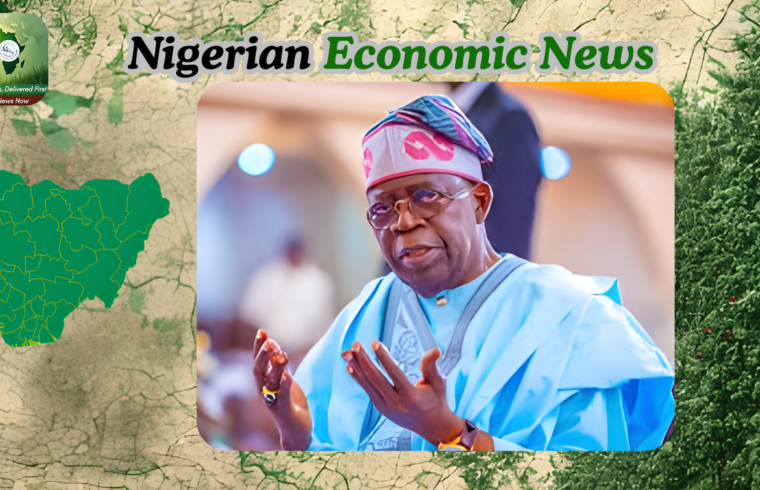
President Bola Tinubu has instructed state governments to jointly shoulder the cost of electricity subsidies with the Federal Government. Moving forward, these subsidies will be funded through the Power Assistance Consumers Fund (PCAF), a government-backed initiative aimed at helping low-income households, maintaining electricity affordability, and ensuring sector stability through targeted measures instead of broad, blanket subsidies.
Currently, more than 18 states operate their own electricity regulatory bodies, including Lagos, Ondo, Osun, Ekiti, Edo, Delta, Bayelsa, Akwa Ibom, Cross River, Abia, Anambra, Imo, Kogi, Niger, Nasarawa, Plateau, Gombe, and Jigawa, with others planning to establish similar frameworks.
The announcement came from Tanimu Yakubu, Director-General of the Budget Office of the Federation, at the 2026 Post-Budget Preparation Workshop on the Government Integrated Financial Management Information System (GIFMIS) in Abuja. Yakubu emphasized that states benefiting politically from electricity subsidies must contribute financially, rather than leaving the entire burden to the Federal Government.
Through the Director of Expenditure Social, Yusuf Muhammed, Yakubu elaborated:
“Mr. President has directed a clearer framework to share electricity costs across the federation, so the burden is not treated as an open-ended federal residual. If we want a stable power sector, we must pay for the choices we make. When tariffs are kept low, a gap emerges – that gap is a subsidy, and a subsidy is a bill.”
From 2026, subsidy costs will no longer rest solely on the Federal Government. The new system aims to make electricity subsidies transparent, trackable, and fully funded, avoiding arrears, hidden liabilities, or liquidity challenges.
Yakubu added that any affordability interventions by government tiers must be clearly defined, agreed upon, and enforceable, stressing that cost-sharing is intended to improve efficiency and protect vulnerable consumers, not punish states.
He also called on states and MDAs to integrate subsidy-related expenditures openly in their fiscal plans and warned against passing unfunded liabilities into the market. Furthermore, President Tinubu has instructed a review of the Fiscal Responsibility Framework, aiming to make fiscal rules more dynamic, enforceable, and focused on delivery.
“Fiscal rules are the guardrails of government. Without them, spending becomes impulsive, debt casual, and the budget merely a statement of intent. The 2026 budget direction is about modernizing these rules and ensuring capital proposals are delivery-ready,” Yakubu stated.
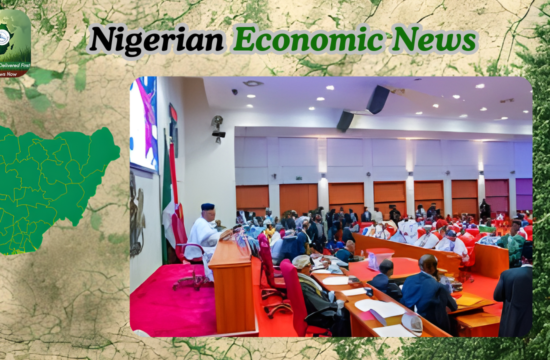
Governors and state electricity regulators responded cautiously. The Nigerian Governors’ Forum indicated it was reviewing the directive, while regulatory commissions in Lagos, Imo, Enugu, Ekiti, Oyo, Ondo, Edo, Niger, and Anambra held an emergency session to discuss potential impacts on states and the wider power sector.
Dr. Muda Yusuf, CEO of the Centre for the Promotion of Private Enterprises (CPPE), noted that states must play a more active role, comparing the arrangement to the petrol subsidy era, when FAAC allocations indirectly supported costs. He emphasized that rising subsidy demands make shared responsibility essential.
Experts described the policy as a significant fiscal and political shift. Prof. Wumi Iledare of FUPRE Energy Business School stated that co-payment could accelerate electricity reforms, support cost-reflective tariffs, and allow for targeted subsidies. Conversely, legal expert Bode Fadipe questioned the Federal Government’s constitutional authority to compel state contributions, suggesting participation might need to be voluntary.
Lanre Elatuyi, an electricity market analyst, highlighted that FAAC deductions could enforce state compliance but warned that disputes could arise. He stressed the importance of accurate electricity consumption data per state to ensure fair allocation of costs.
In conclusion, the directive marks a major step toward sustainable, transparent, and accountable electricity subsidy management, ensuring that both federal and state governments share financial responsibility for maintaining stability in the sector.
© 2025 Gossip News Now, a division of CHIEJOS HARBIAN DIGITAL MEDIA LTD. Contact us via admin@gossipnewsnow.online