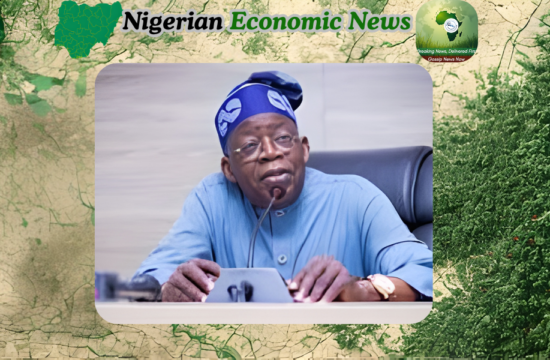

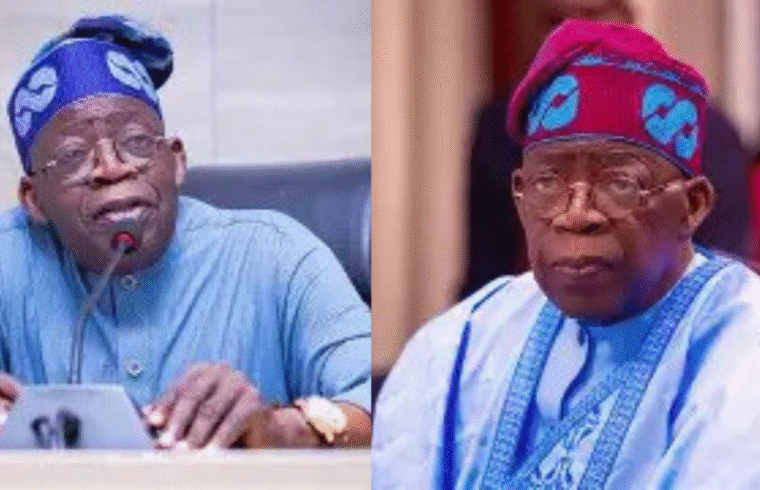
Strong support has emerged for President Bola Ahmed Tinubu following what several civic organisations describe as significant progress in Nigeria’s oil and gas industry. The endorsement came through a coalition of groups operating under the Citizens Connect Conference, who commended recent policy shifts and institutional reforms.
During a gathering in Lagos, representatives from multiple civil society platforms praised the administration’s efforts to reshape governance in the energy sector. They noted that reforms introduced under President Tinubu have strengthened transparency, improved efficiency, and restored investor confidence.
According to Gossip News Now, the coalition emphasized that the consolidation of the Petroleum Industry Act (PIA) has played a major role in repositioning the sector. Leaders such as Halima Mohammed, Chidi Obumneke, and Dr. Tunde Alade highlighted the importance of aligning regulatory frameworks with global best practices.
The groups also drew attention to the leadership of the Nigerian Upstream Petroleum Regulatory Commission (NUPRC) under Gbenga Komolafe, crediting the agency with driving operational improvements and enhancing Nigeria’s standing within the international energy space.
Among the key reforms identified were initiatives focused on:
-
improved compliance monitoring and enforcement
-
adoption of digital systems for licensing processes
-
intensified efforts to combat oil theft and leakages
These measures, according to stakeholders, have contributed to increased production levels and more stable revenue streams.
Beyond regulatory changes, the administration’s approach to community engagement has also received praise. The implementation of Host Community Development Trusts (HCDTs) was cited as a major step toward ensuring that oil-producing regions benefit directly from industry activities.
Voices from youth-focused organisations echoed similar sentiments. Aisha Ibrahim of the Connected Citizens Movement (CCM) noted that younger Nigerians are beginning to see tangible outcomes from policy decisions, particularly in an industry that has historically been associated with inefficiency and opacity.
Further commendation was directed at initiatives supporting local participation in the sector, including programs designed to boost domestic manufacturing and entrepreneurship within the oil and gas value chain. These efforts, stakeholders argue, are helping to create jobs and expand economic opportunities.
For advocacy groups like the Coalition for Accountable Leadership (CAL), represented by Sunday Edet, the progress recorded so far justifies continued support for the current administration. They maintain that sustained reforms are essential to achieving long-term stability and growth.
Analysis and Commentary
The endorsement of President Bola Ahmed Tinubu by civil society organisations reflects a growing narrative that institutional reforms can deliver measurable outcomes when properly implemented. The focus on transparency and accountability suggests a shift in how Nigeria’s oil sector is perceived both locally and internationally.
However, while the reported progress is encouraging, maintaining momentum will require consistent policy execution and stronger collaboration between government, communities, and private stakeholders. The emphasis on youth inclusion and local content development also points to a broader strategy aimed at long-term sustainability.
Ultimately, the true impact of these reforms will be determined by their durability. If effectively sustained, they could redefine Nigeria’s position in the global energy landscape and shape political discourse heading into the 2027 elections.
© 2025 Gossip News Now, a division of CHIEJOS HARBIAN DIGITAL MEDIA LTD. Contact us via admin@gossipnewsnow.online